

Health history and symptom review
We ask about pain, movement limits, injuries, and relevant health details. This helps us judge whether traction fits your condition.
Spinal decompression therapy uses controlled traction for appropriate back and neck conditions. We explain the treatment plan before care begins.
It may reduce stress around selected spinal joints.
It gives some back and neck conditions a non-surgical care option.
It supports a plan that can include therapeutic exercise or massage therapy.
Spinal decompression therapy is a non-surgical treatment that uses controlled traction to reduce pressure on selected areas of the spine.
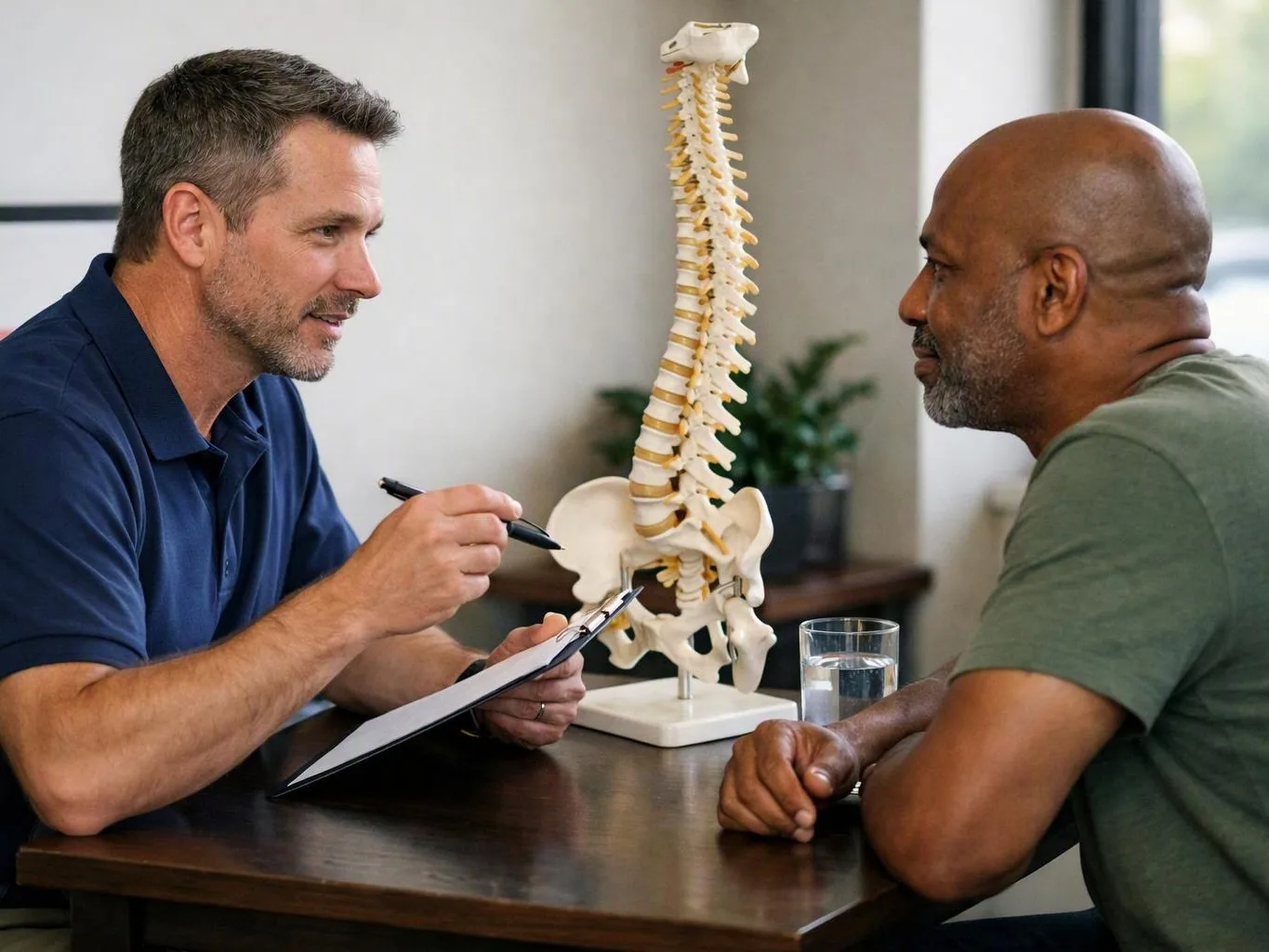
Spinal decompression therapy uses controlled traction to place a gentle pulling force through the spine. The goal is to support care for selected back and neck conditions, including some disc-related concerns. Treatment begins with a new patient intake, health history, and exam. X-rays may be considered when clinically indicated. We use the findings to explain your options and set a treatment plan. Spinal decompression therapy isn’t suitable for every person or symptom. Individual response differs, so we review progress and adjust the plan when needed. Regular maintenance may also be discussed when it supports your long-term movement goals.
We ask about pain, movement limits, injuries, and relevant health details. This helps us judge whether traction fits your condition.
We assess the spine and related movement patterns. X-rays may be used when clinically indicated.
We explain the findings, expected care approach, and other suitable treatments before starting spinal decompression therapy.
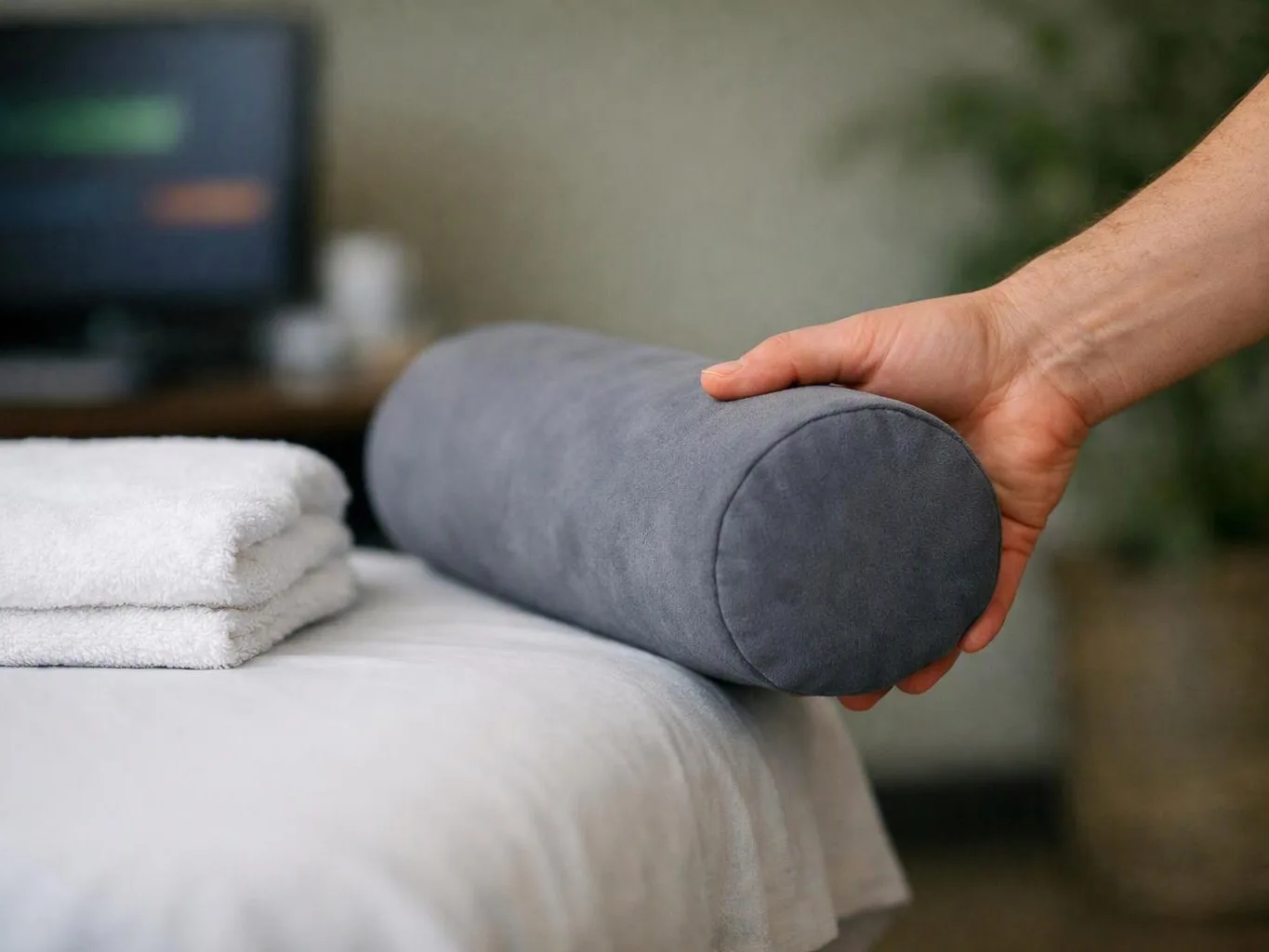
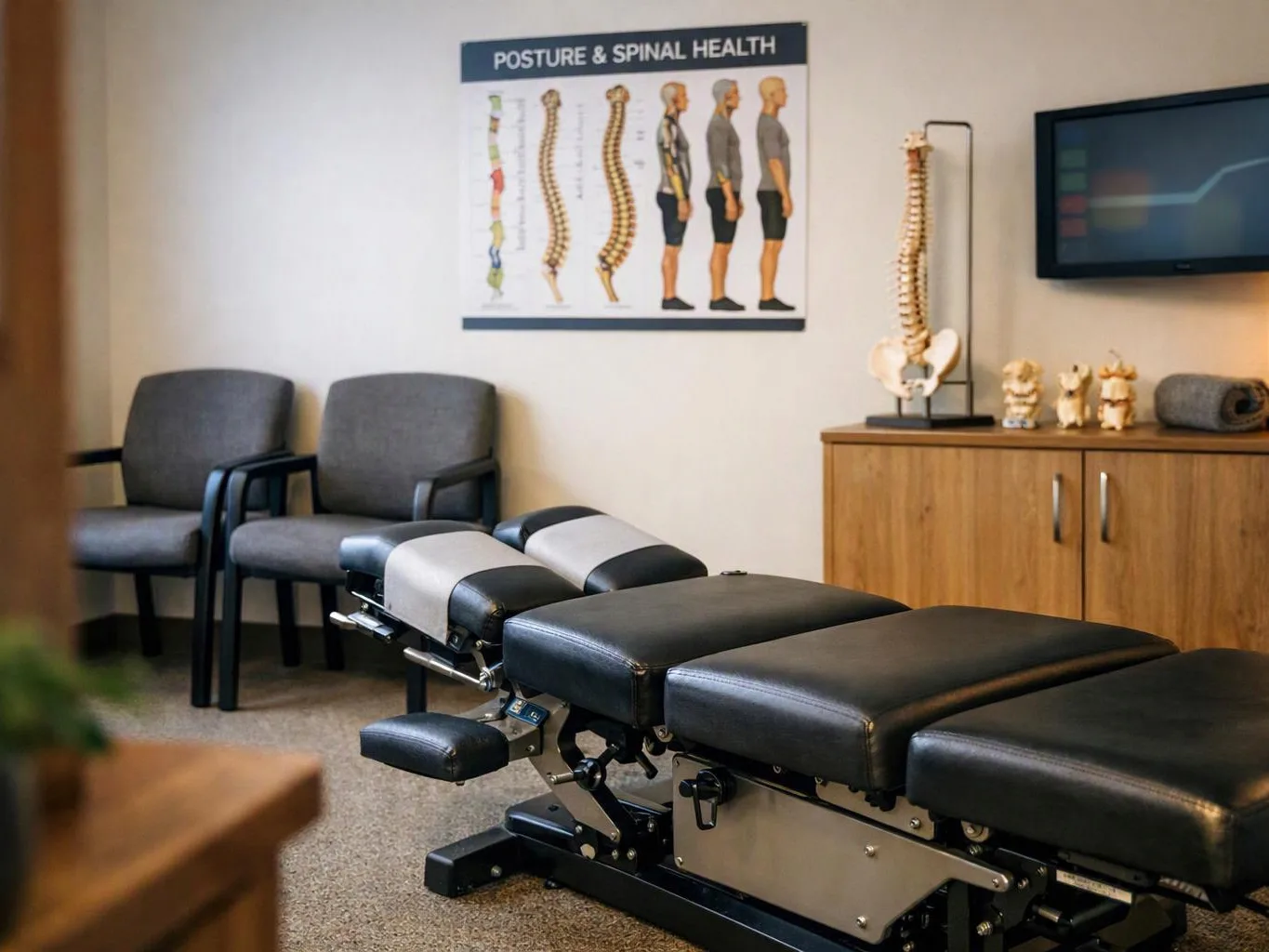
A spinal decompression table applies controlled traction to the selected area. We monitor your comfort and response during care.
We review changes in symptoms and movement, then update the plan when the findings support a different next step.
Bring information that helps us assess your symptoms and choose safe, suitable care.
We assess back and neck symptoms before using spinal decompression therapy for an appropriate condition.
We tailor related chiropractic adjustments to each patient’s condition when traction is part of the care plan.
We add therapeutic exercise or massage therapy when those services support an individualized decompression care plan.
Get a clear treatment decision for your back or neck concern. Arrowhead Clinic - Lithia Springs can discuss your symptoms, assessment, and available care during our weekday hours.

Back pain that returns during work, lifting, or routine movement needs more than a symptom label. The pattern, location, and health history help determine whether traction-based care fits. At our Lithia Springs clinic, we review those details before recommending spinal decompression therapy. Bring your symptom timeline and any records so we can discuss suitable next steps.
Pain that travels from the back into the hip or leg may involve nerve irritation, but the cause still needs review. A careful exam helps us decide whether spinal decompression therapy belongs in the plan. We’ll ask about weakness, numbness, past injury, and daily limits before explaining the available care path.
Some people want to know what happens before they book an appointment. We start with intake, a health history, and an exam, then explain whether traction is suitable for the condition. Bring your questions and any imaging records. Clear treatment explanations help you decide whether to continue with a personalized care plan.



The health and wellness information on this website is for general informational purposes only and is not medical advice. It does not create a provider-patient relationship. Always consult a qualified licensed provider in Lithia Springs, Georgia, United States about your specific condition before making care decisions. Individual results vary.
(770) 501-7716