Skip to content

Spinal Decompression Therapy in Dunwoody, Georgia

How much disc pressure affects your symptoms matters in Dunwoody. We explain how spinal decompression therapy works before care begins.

Licensed & InsuredSame-Day ServiceUpfront, Transparent PricingServing 35 Communities

Quick Summary: Spinal Decompression Care in Dunwoody, Georgia

The service covers an assessment, treatment planning, and gentle table-based stretching as part of chiropractic care.

  • What we do: Arrowhead Clinic - Lithia Springs provides Spinal Decompression Therapy for patients in Dunwoody, Georgia.
  • What is included: Chiropractic assessment, spinal decompression, treatment planning, and clear explanations before care.
  • What you get: The patient receives a clear treatment decision based on symptoms, health history, and clinical findings.

How does spinal decompression therapy work when disc pressure keeps causing back pain?

Disc pressure is addressed through controlled pulling and release on a spinal decompression table. The gentle stretch changes how force is placed through the spine, while the exam helps determine whether this approach fits your symptoms.
Spinal Decompression Therapy in Dunwoody for Disc Pressure

Spinal decompression therapy focuses on how controlled traction affects the spine and surrounding tissues. It may suit people with back pain, neck pain, sciatica, or symptoms linked to spinal discs.

This page helps you decide whether a table-based approach fits your needs. The decision starts with a new patient intake, health history, and exam. X-rays may be considered if clinically indicated.

A treatment plan should match your symptoms and health history. We don't present spinal decompression as a cure, and individual response differs. Ask about a progress re-examination if you continue care.

  • Bring a clear account of where symptoms start and how they affect daily movement.
  • Discuss prior injuries, medical care, and any known spinal disc concerns during the health history.
  • Ask how the spinal decompression table fits your personalized treatment plan.
  • Confirm what the first visit includes before scheduling care.
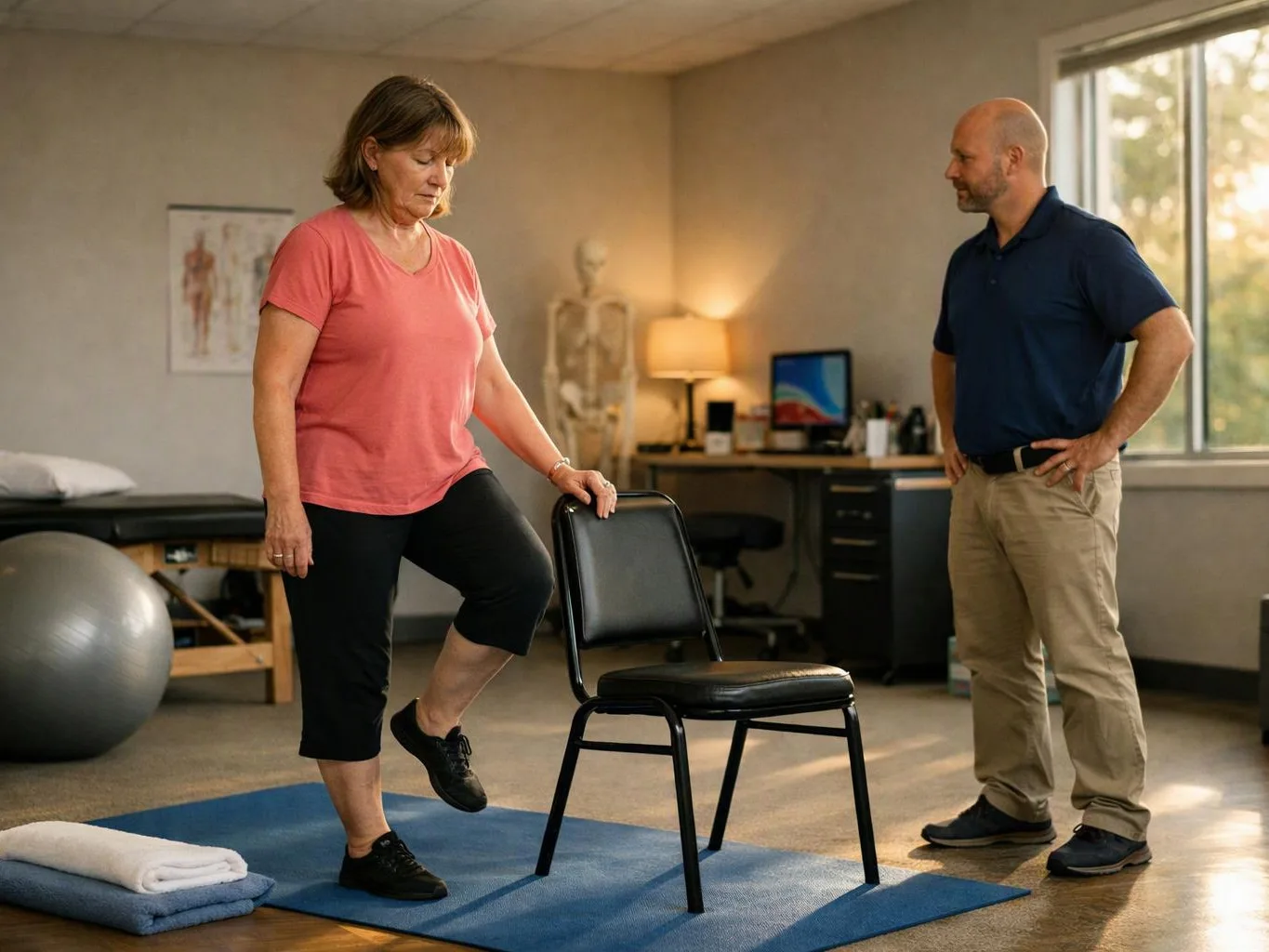
A woman balances on one leg beside a chair while a man watches in a therapy room

Service Overview

Spinal decompression therapy is a chiropractic treatment that uses gentle, controlled stretching to change pressure through the spine.

  • Unlike a chiropractic adjustment, the treatment uses a table-based traction approach instead of a quick manual joint movement.
  • Arrowhead Clinic - Lithia Springs provides this care for people seeking treatment in Dunwoody.

What Spinal Decompression Care Includes

Here's what you get:

  • A new patient intake records your symptoms, health history, and care goals.
  • A chiropractic exam checks movement and helps guide treatment planning.
  • The treatment plan explains how a spinal decompression table may be used.
  • Gentle stretching is applied through controlled table movement.
  • The visit includes clear explanations before care begins.
  • A progress re-examination may help review how your care is going.

What Patients Gain From Spinal Decompression Care

A table-based approach gives you a clear way to discuss disc-related symptoms.

Treatment planning connects the exam to the care you receive.

Clear explanations help you understand each step before treatment starts.

A personalized plan keeps the focus on your symptoms and movement goals.

Regular maintenance may support everyday movement when it fits your care plan.

How We Approach Spinal Decompression Care

A plan based on your exam

Your health history and exam guide the treatment discussion. We don't treat every back or neck complaint the same way.

Clear treatment explanations

We explain the table, gentle stretching, and expected steps before care. This gives you answers before you book.

A careful fit decision

Spinal decompression may not be the right service for every symptom. We review your health information and discuss another care path when this approach does not fit.

Process

How Spinal Decompression Care Moves From Intake to Follow-Up

1

Share your health history

The new patient intake records symptoms, past injuries, health concerns, and your main care goal.

2

Complete the chiropractic exam

The exam reviews movement and other clinical findings. X-rays may be considered if clinically indicated.

3

Review the treatment plan

We explain whether table-based traction and gentle stretching fit the findings and symptoms discussed.

4

Begin controlled table care

The spinal decompression table provides a guided stretch as part of the personalized plan.

5

Review progress and next steps

A progress re-examination may help assess how care is going and whether regular maintenance fits your goals.

Spinal Decompression and Chiropractic Adjustment

These approaches use different methods, so the treatment plan should match the symptoms and exam findings.

Care approachMain methodWhat we review
Spinal decompression therapyControlled stretching on a spinal decompression tableSpinal discs, symptoms, health history, and treatment goals
Chiropractic adjustmentA manual joint movement using an adjusting techniqueMovement findings, symptoms, and the personalized care plan

The Arrowhead Clinic - Lithia Springs Standard

  • Tailored Adjustments
  • Spinal Decompression
  • Integrated Therapies
  • Pain And Injury Care

Questions About Spinal Decompression Care

How does spinal decompression therapy work?

Disc pressure is addressed through controlled pulling and release on a spinal decompression table. The gentle stretch changes how force is placed through the spine, while the exam helps determine whether this approach fits your symptoms. Individual response differs, so treatment planning stays tied to your health history and findings.
What happens during the first visit for back pain?

The first visit includes a new patient intake, health history, and chiropractic exam. X-rays may be considered if clinically indicated. We discuss your symptoms, movement goals, and treatment options before a plan is made. Bring any useful medical information and describe what makes the pain better or worse.

Which part of care changes the treatment time?

The treatment plan changes the time needed for care because symptoms and clinical findings differ. A health history, exam, and suitability discussion come before table-based treatment. We don't assign a fixed treatment schedule without reviewing those details. Ask our team what the planned visit includes before booking.

Why might spinal decompression not fit my symptoms?

Spinal decompression may not fit symptoms that need a different clinical approach. The health history and exam help identify that concern before table care begins. Share prior diagnoses, injuries, and current symptoms during intake. We then explain whether this method belongs in your personalized treatment plan.

What should I bring to my first chiropractic appointment?

Your symptom history and relevant health information help shape the first appointment. Bring a list of current concerns, past injuries, and any available imaging or medical records. The intake and exam guide the treatment discussion. You can also bring questions about the table, gentle stretching, insurance, and follow-up care.

How can a customer tell whether table care fits?

A chiropractic exam and health history help determine whether table care fits your symptoms. The discussion considers pain location, movement limits, prior injuries, and care goals. We explain the findings in plain language before treatment. People in Dunwoody can request a free consultation to discuss suitability before booking care.
Contact

Ask About Spinal Decompression Care in Dunwoody

After you reach out, our team can review your questions, explain appointment steps, and discuss what to expect during the first visit.

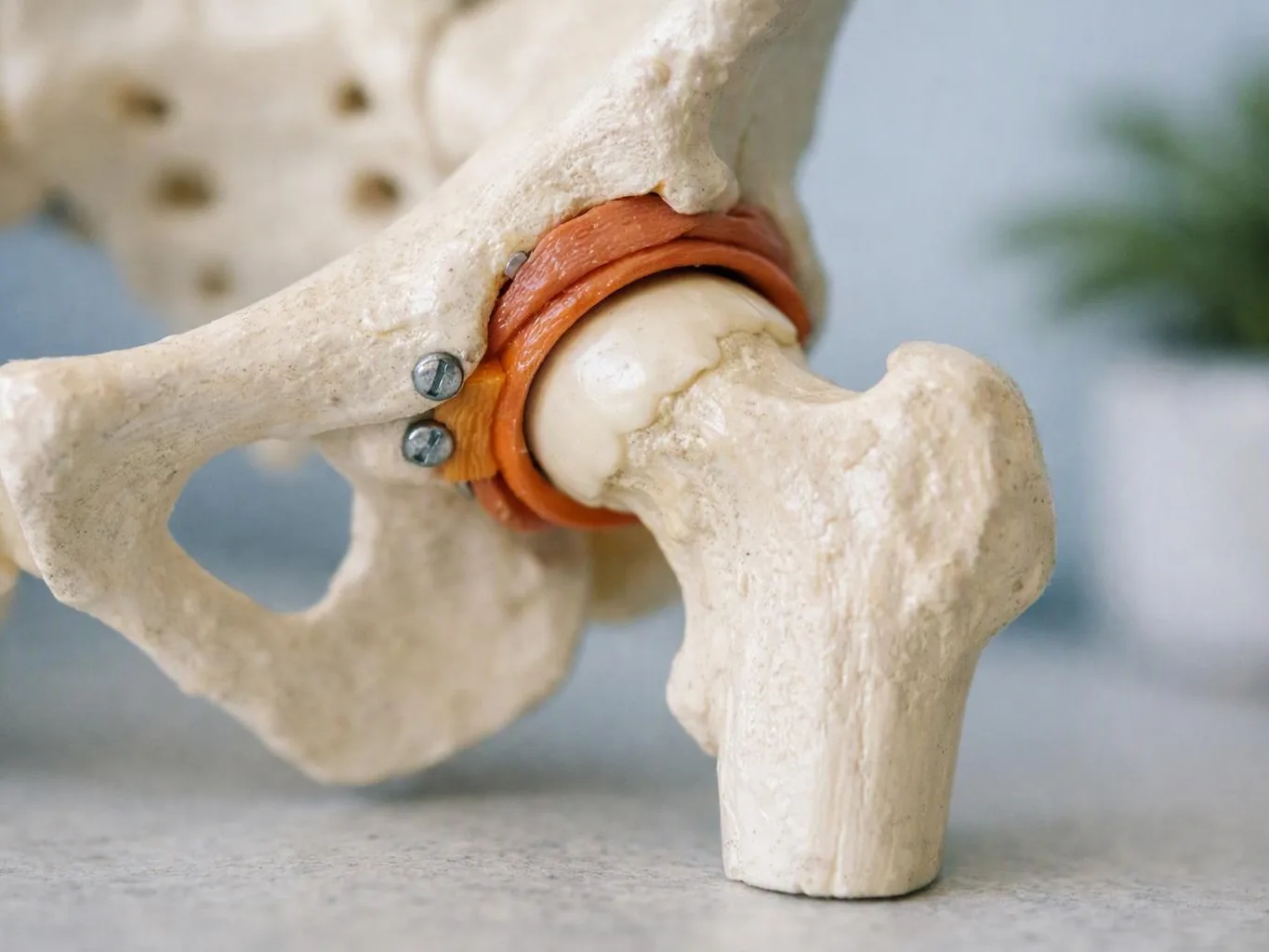
A close-up model shows a hip joint with bone, screws, and orange rings on a tabletop

The health and wellness information on this website is for general informational purposes only and is not medical advice. It does not create a provider-patient relationship. Individual results vary.

(770) 501-7716