Skip to content

Spinal Decompression Therapy in Fairburn, Georgia

Spinal instability is checked before care at our Fairburn clinic. We explain whether spinal decompression therapy fits your symptoms and goals.

Licensed & InsuredSame-Day ServiceUpfront, Transparent PricingServing 35 Communities

Quick Summary: spinal decompression therapy in Fairburn, Georgia

We serve the Fairburn area and provide free consultations before care.

  • What we do: Arrowhead Clinic - Lithia Springs provides Spinal Decompression Therapy for people in Fairburn, Georgia, after a clinical review of their needs.
  • What is included: Assessment, treatment planning, spinal decompression, and clear explanations before care.
  • What you get: The patient receives a treatment decision that matches their symptoms, health history, and care goals.

What conditions may limit spinal decompression therapy for back pain?

Spinal instability may limit spinal decompression therapy until the cause is assessed. Fractured vertebrae, severe osteoporosis, and pregnancy considerations also need careful review. A health history and exam help us decide whether this approach fits. We may discuss other chiropractic care options when decompression is not suitable.

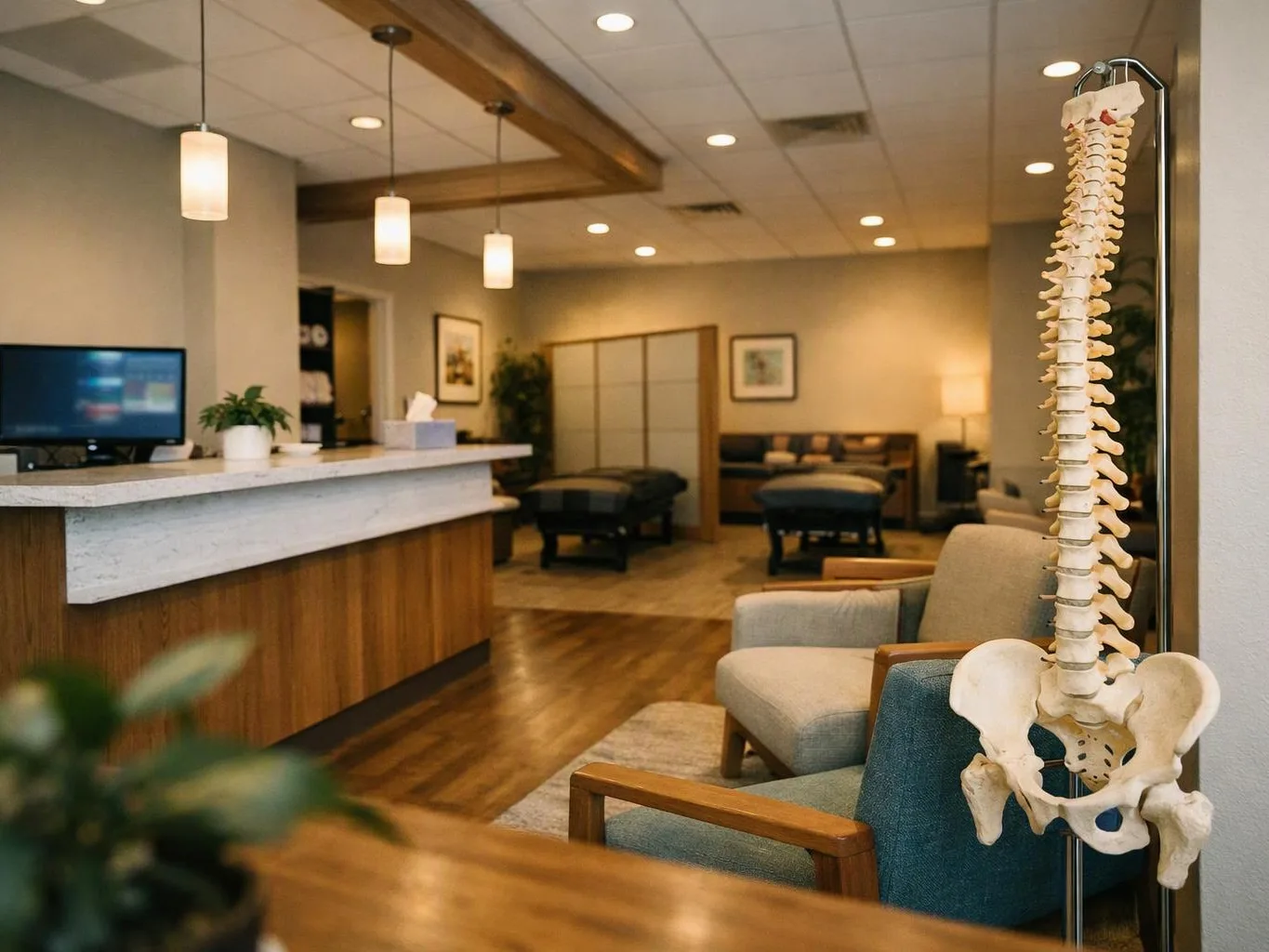
Spinal Decompression Therapy for Fairburn Patients

Spinal decompression therapy gives patients a focused option when back or neck symptoms affect daily movement. The decision starts with the patient’s symptoms, health history, and physical exam, not with a preset treatment plan.

This page answers a specific safety question. Fractured vertebrae, severe osteoporosis, pregnancy considerations, and possible spinal instability can change whether traction is appropriate. We review those factors before care and explain the next step in plain language.

Patients should also know the limits of this service. Spinal decompression therapy does not replace urgent medical care for severe injury, sudden weakness, loss of bladder or bowel control, or other serious warning signs.

  • Ask about prior spinal injuries and current symptoms.
  • Review health history before treatment planning.
  • Discuss pregnancy and bone health concerns.
  • Confirm whether traction fits the patient’s goals.
  • Ask what follow-up care may support everyday movement.
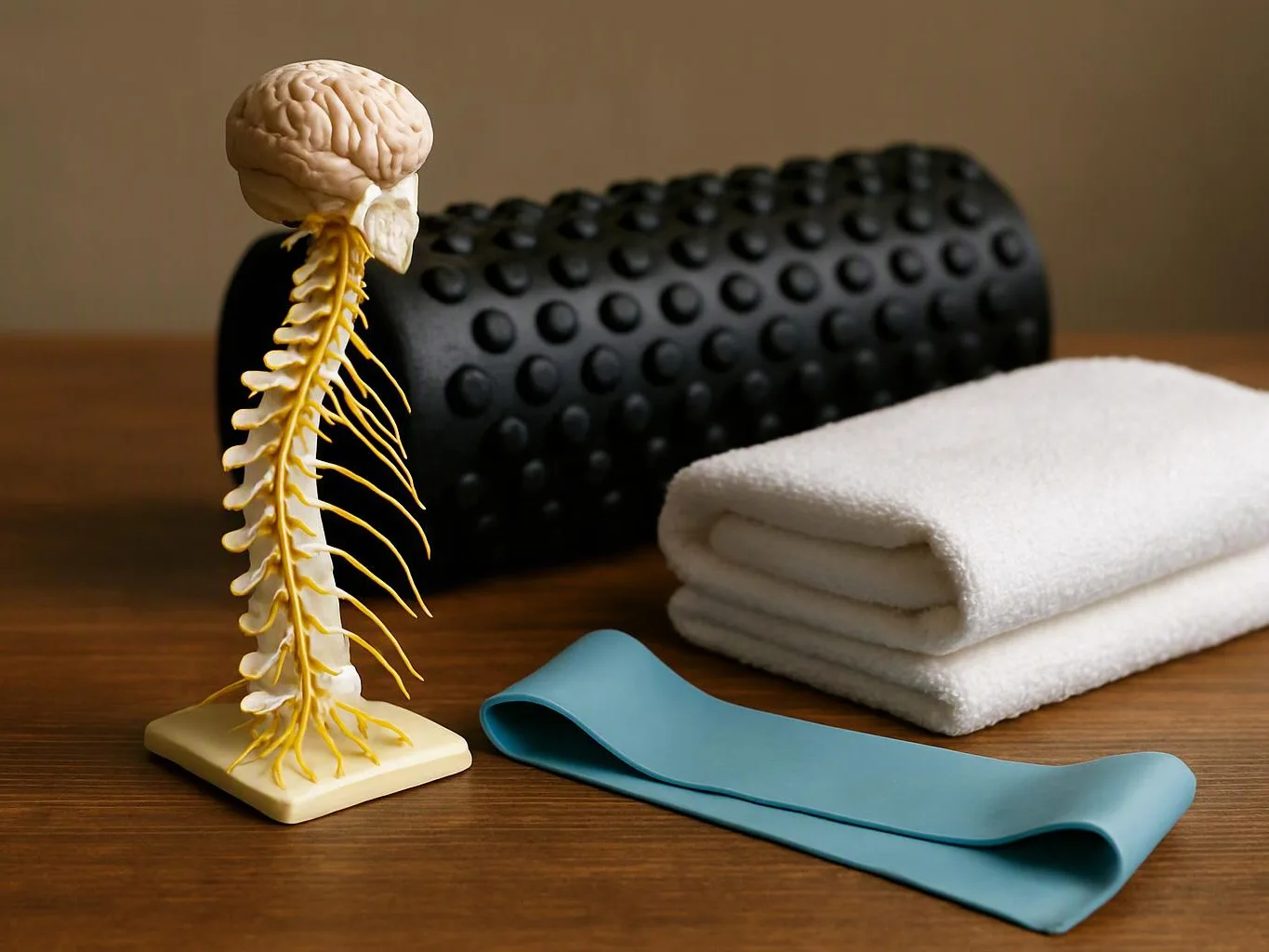
A spine and brain model stands beside a foam roller, folded white towels, and a blue resistance band on a wooden table

Service Overview

Spinal decompression therapy is a non-surgical treatment that uses controlled movement to reduce pressure through targeted spinal traction.

  • It differs from a chiropractic adjustment, which uses a directed force to improve joint motion rather than focused traction.
  • We provide this care for patients in Fairburn after reviewing their symptoms and health history.

What this treatment may change for daily movement

Spinal decompression therapy may support comfort during everyday movement.

A focused plan helps connect treatment choices to the patient’s symptoms.

Clear explanations give patients a better basis for deciding about care.

Reviewing health history helps reduce the risk of choosing an unsuitable approach.

Regular maintenance may support ongoing movement goals when it fits the patient’s plan.

Process

How we plan and provide this treatment

1

Complete the new patient intake

We record symptoms, health history, prior injuries, and the patient’s main treatment goal.

2

Review safety concerns

We ask about fractured vertebrae, severe osteoporosis, pregnancy considerations, and other factors that may limit traction.

3

Perform the health history and exam

The exam helps us decide whether spinal decompression therapy is appropriate for the patient’s symptoms.

4

Explain the treatment plan

We describe the proposed care, answer questions, and discuss other options when decompression does not fit.

5

Review progress and next steps

Follow-up discussions help us assess how the plan matches the patient’s movement goals and ongoing needs.

What patients should weigh before choosing this care

Safety screening comes first

A health history and exam help us identify factors that may limit traction. Fractured vertebrae, severe osteoporosis, and pregnancy considerations need specific review before care.

The plan follows your symptoms

Back pain, neck pain, and sciatica can have different causes. We connect the treatment discussion to your symptoms instead of using one plan for every patient.

Know when another option fits

Spinal decompression therapy may be the wrong choice when serious injury or an unstable condition needs medical assessment first. We explain the next care step when traction does not fit.

What spinal decompression therapy includes

Here's what you get:

  • A new patient intake records symptoms, health history, and treatment concerns.
  • A health history and exam help us assess whether spinal decompression therapy fits.
  • We discuss risk factors such as fractured vertebrae and severe osteoporosis.
  • We explain the treatment approach before care begins.
  • A personalized treatment plan connects the chosen care to the patient’s goals.
  • We answer questions about appointments, insurance, and what to expect during a visit.

The Arrowhead Clinic - Lithia Springs Standard

  • Tailored Adjustments
  • Spinal Decompression
  • Integrated Therapies
  • Pain And Injury Care

Questions about spinal decompression care

What conditions may limit spinal decompression therapy?

Spinal instability may limit traction until its cause is assessed. Fractured vertebrae, severe osteoporosis, and pregnancy considerations also need review. Our intake covers these concerns before treatment planning. We explain whether decompression fits or whether another care path should be considered.

What should be checked before treatment is scheduled?

A health history and exam should be completed before treatment is scheduled. We review symptoms, prior injuries, bone health, pregnancy considerations, and warning signs. Bring relevant medical records or imaging if you have them. The consultation then gives you a clearer basis for the next step.

What happens at each stage of spinal decompression therapy?

The process starts with intake and an exam, then moves to safety screening and treatment planning. We explain the spinal decompression table and the planned approach before care. Follow-up discussions help review progress and decide whether the plan still fits your goals.

Which symptoms should prompt medical care before chiropractic treatment?

Sudden weakness, loss of bladder or bowel control, or serious injury calls for medical attention before chiropractic treatment. Severe pain after a fall also needs prompt assessment. Tell us about these symptoms during intake so we can discuss the safest next step.

How does a chiropractic adjustment differ from spinal decompression therapy?

A chiropractic adjustment uses a directed force to improve joint motion, while spinal decompression uses controlled traction. The suitable option depends on the patient’s symptoms and exam findings. We explain the difference during the consultation so you understand the proposed care.

Why does pregnancy matter before spinal traction?

Pregnancy matters because treatment position and traction may need special consideration. Tell us about pregnancy or possible pregnancy during intake. We review that information with your symptoms and health history before discussing whether this approach is suitable.

What decides the cost of this treatment plan?

The treatment plan, consultation needs, examination, and related services decide the cost. We discuss those factors during a free consultation. Ask about insurance benefits and self-pay questions before care so you understand the expected financial process.
Contact

Discuss spinal decompression therapy in Fairburn

Start with a free consultation about your symptoms, health history, and treatment questions.

A smiling woman carries a shoulder bag in a bright hallway while a doctor stands behind her watching

ZIP Codes We Serve in Fairburn, Georgia

30213

Spinal Decompression Therapy in Other Areas

The health and wellness information on this website is for general informational purposes only and is not medical advice. It does not create a provider-patient relationship. Individual results vary.

(770) 501-7716