Skip to content

Spinal Decompression Therapy in North Decatur, Georgia

Fractured vertebrae can change whether spinal decompression therapy suits someone in North Decatur. We review health history, symptoms, and safety concerns before care.

Licensed & InsuredSame-Day ServiceUpfront, Transparent PricingServing 35 Communities

Quick Summary: Spinal decompression care in North Decatur, Georgia

The service includes a health history, exam, suitability review, and clear treatment explanation before care.

  • What we do: Arrowhead Clinic - Lithia Springs provides spinal decompression therapy for eligible patients in North Decatur, Georgia.
  • What is included: We review symptoms, health history, spinal stability concerns, and treatment fit before care.
  • What you get: The patient receives a clear decision about whether spinal decompression therapy fits their needs.

Why can fractured vertebrae limit spinal decompression therapy?

Fractured vertebrae can make spinal decompression therapy unsuitable because the spine may need protection and medical review first. Our team checks the health history, symptoms, and available records before discussing treatment. Severe osteoporosis, spinal instability, and pregnancy considerations can also change the care plan.
Spinal Decompression Therapy for North Decatur Care Decisions

Spinal decompression therapy is considered when back pain, leg symptoms, or disc-related concerns affect daily movement. The key decision on this page is suitability, especially when a person has a known spinal injury or a condition that may affect safe positioning.

Fractured vertebrae need careful review before traction-based care. Severe osteoporosis and spinal instability may also limit treatment, while pregnancy calls for a specific discussion about positioning and clinical fit. We assess the person rather than treating a symptom in isolation.

A health history and exam help guide the next step. X-rays may be considered if clinically indicated, and we explain the findings before a personalized treatment plan is discussed.

  • Share any known spinal fracture, bone loss, or instability before treatment.
  • Bring relevant medical records or imaging when available.
  • Ask how the exam affects treatment suitability.
  • Discuss pregnancy or other health changes before positioning on a decompression table.
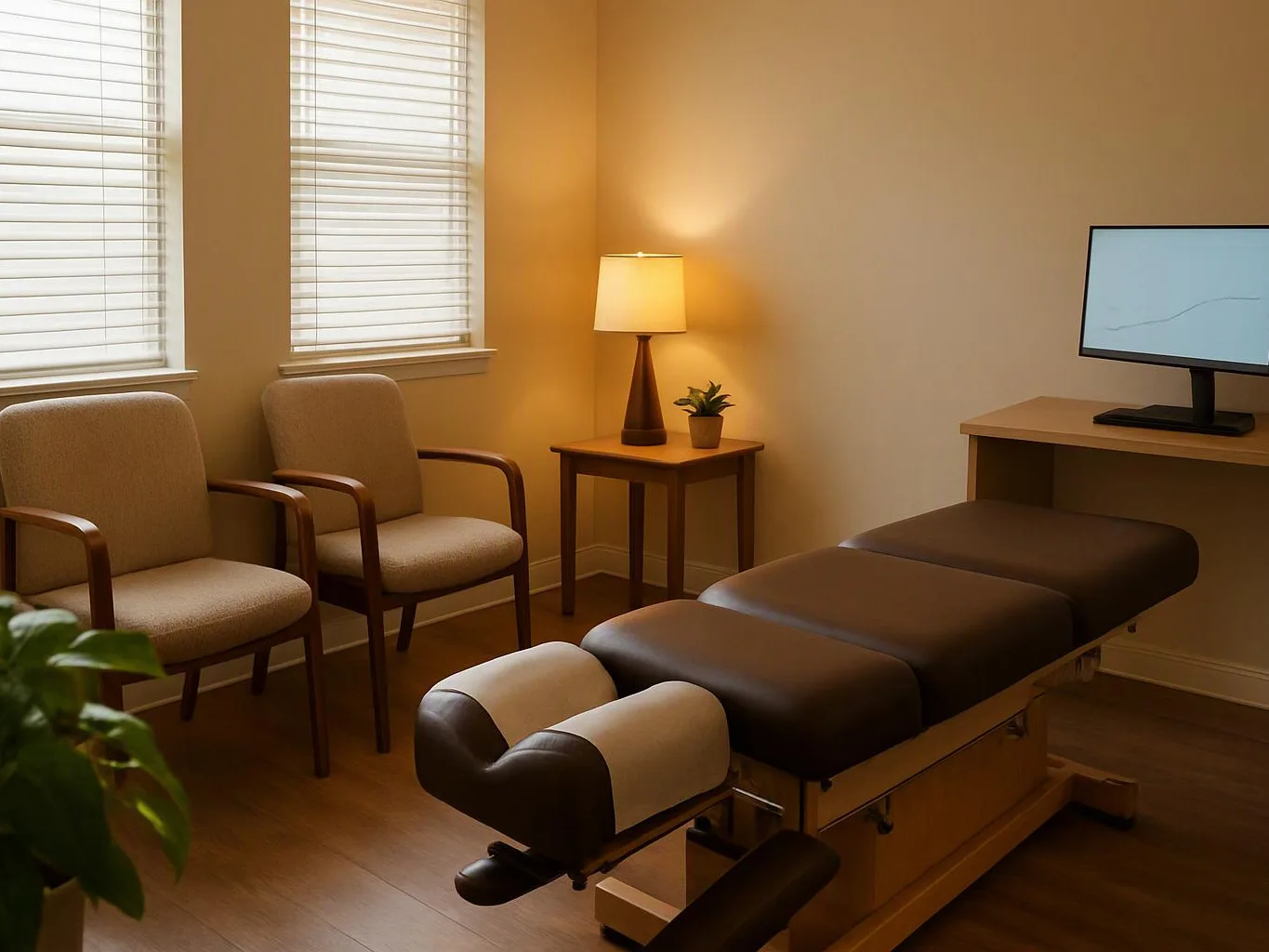
A quiet exam room has two chairs, a treatment table, a lamp, a monitor, and blinds over the windows

Service Overview

Spinal decompression therapy is a chiropractic treatment that uses controlled traction to reduce loading through parts of the spine.

  • It differs from an adjustment because it uses a decompression table and traction-based movement instead of a manual spinal adjustment.
  • We provide this care for eligible patients seeking chiropractic treatment in North Decatur.

What Spinal Decompression Therapy Includes

Here's what you get:

  • We review your health history and the symptoms that bring you to care.
  • We perform an exam focused on movement, spinal symptoms, and treatment fit.
  • We discuss fractured vertebrae, severe osteoporosis, spinal instability, or pregnancy considerations when relevant.
  • We explain how a spinal decompression table and controlled traction may be used.
  • We provide a personalized treatment plan when the service is suitable.
  • We explain follow-up and progress re-examination needs before care begins.

What Patients Gain From a Care-Fit Review

Clear screening before traction

A health history and exam help us decide whether spinal decompression therapy fits the person. The first step is not the table. It is understanding the spine, symptoms, and health concerns.

Treatment explained in plain language

We explain the role of controlled traction, the purpose of the exam, and what the plan involves. You can ask questions before care starts.

A different service may be needed

Spinal decompression therapy may be the wrong service when fractured vertebrae, severe osteoporosis, or spinal instability create safety concerns. We discuss the next appropriate step instead of forcing a treatment choice.

Process

How We Review and Deliver This Care

1

Review the health history

We ask about back pain, leg symptoms, past injuries, bone health, pregnancy, and other concerns that may affect treatment fit.

2

Complete the spinal exam

We assess movement and symptoms, then consider X-rays if clinically indicated.

3

Check for treatment limits

Fractured vertebrae, severe osteoporosis, and spinal instability may change whether traction-based care is suitable.

4

Explain the care plan

We describe the treatment method, expected steps, and follow-up review before care begins.

5

Review progress

A progress re-examination helps us review symptoms and decide whether the plan still fits your needs.

What This Care Helps You Decide

A suitability review helps identify when traction-based care needs extra caution.

Clear explanations help you understand the reason for each treatment step.

A personalized plan connects the exam findings with your movement goals.

Progress re-examination gives the care team a chance to review how your needs are changing.

Free Consultations give you a chance to ask questions before committing to care.

How Treatment Methods Differ

This table compares the main method used in decompression therapy with a manual adjustment.

Treatment methodMain approachKey fit question
Spinal decompression therapyControlled traction on a spinal decompression tableDoes the health history and exam support traction-based care?
Manual chiropractic adjustmentA hands-on adjustment methodDoes the exam support a manual adjustment approach?

The Arrowhead Clinic - Lithia Springs Standard

  • Tailored Adjustments
  • Spinal Decompression
  • Integrated Therapies
  • Pain And Injury Care

Questions About Spinal Decompression Therapy Suitability

Who should avoid spinal decompression therapy after a spinal injury?

Fractured vertebrae can make spinal decompression therapy unsuitable until the injury receives proper medical review. Our team checks the health history, symptoms, and available records before discussing traction. Severe osteoporosis and spinal instability may also limit care. The assessment helps identify whether another treatment path is safer.

What happens at each stage of spinal decompression therapy?

The care process starts with a health history and exam, then moves to a suitability discussion and treatment plan.

  1. We review symptoms and health concerns.
  2. We examine movement and consider X-rays if clinically indicated.
  3. We explain the decompression table and traction method.
  4. We review progress and adjust the plan when needed.

Each stage gives you a chance to ask questions before care continues.

What does the care team look at first?

The health history comes first because past injuries and health conditions can affect treatment safety. We ask about symptoms, spinal injuries, bone health, pregnancy, and current care. The exam then adds information about movement and function. Those findings guide the discussion about spinal decompression therapy.

Which conditions may limit traction-based spinal care?

Severe osteoporosis, spinal instability, and fractured vertebrae may limit traction-based spinal care. Pregnancy can also affect positioning and treatment choices. We review each concern during the health history and exam. If spinal decompression therapy does not fit, we explain the reason and discuss an appropriate next step.

How does an adjustment differ from decompression therapy?

A chiropractic adjustment uses a manual technique, while decompression therapy uses controlled traction on a decompression table. The two approaches have different methods and may suit different care goals. We review your symptoms and exam findings before recommending a treatment plan. Your plan may include one method or another form of chiropractic care.

Why might X-rays be considered before care?

X-rays may be considered when the exam or health history raises a clinical question about the spine. They can add information when past injury, instability, or another concern needs review. Imaging does not decide care by itself. We explain why it may help and discuss the findings before treatment.

What changes the cost of this treatment?

The assessment, treatment plan, and services included in care change the final cost. Insurance benefits may also affect what you pay. Ask the clinic to review current coverage and payment details before care begins.
Contact

Ask About Spinal Decompression Therapy in North Decatur

Request a Free Consultation to discuss whether spinal decompression therapy is appropriate for your needs.

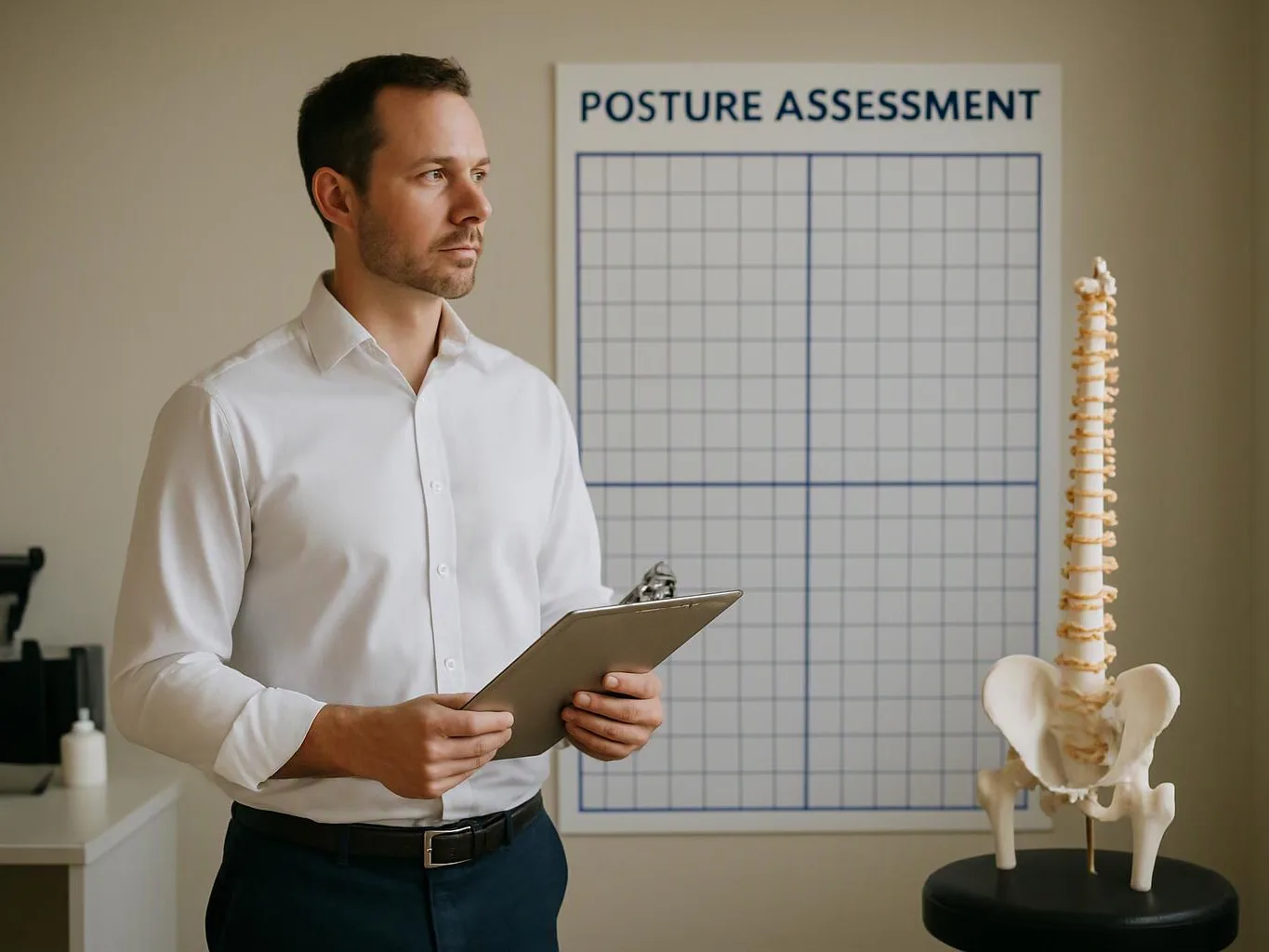
A man in a white shirt holds a clipboard beside a posture assessment chart and a spine model

Spinal Decompression Therapy in Other Areas

The health and wellness information on this website is for general informational purposes only and is not medical advice. It does not create a provider-patient relationship. Individual results vary.

(770) 501-7716