Skip to content

Spinal Decompression Therapy in South Fulton, Georgia

Uneven pressure can make a session harder to tolerate. Computer control helps guide pressure cycles for patients seeking spinal decompression therapy in South Fulton.

Licensed & InsuredSame-Day ServiceUpfront, Transparent PricingServing 35 Communities

Quick Summary: Spinal decompression care in South Fulton, Georgia

The clinic provides free consultations and explains the treatment approach before care.

  • What we do: Arrowhead Clinic - Lithia Springs provides Spinal Decompression Therapy for patients in South Fulton, Georgia.
  • What is included: We assess positioning, treatment straps, pressure cycles, and session suitability.
  • What you get: The session delivers a planned decompression approach matched to the patient’s symptoms and comfort.

Why does back pressure keep returning during a spinal decompression session?

Returning pressure may reflect positioning, strap placement, or the selected pressure cycle. The session should be reviewed before treatment continues, especially when discomfort changes.
Spinal Decompression Therapy for South Fulton Patients

Spinal decompression therapy gives patients a structured way to discuss traction-based care for back pain, neck pain, sciatica, or a herniated disc. The session uses patient positioning, treatment straps, and pressure cycles instead of relying on one fixed pressure level.

The key decision is fit. A health history and exam help us understand your symptoms, past injuries, and current care. X-rays may be considered if clinically indicated. This service may not suit every condition, and individual results vary.

The assigned focus for this page is what happens during a session. We explain how the table is set, how straps support the body, and how pressure changes are managed. That detail helps you ask better questions before choosing care.

  • Review the health history and current symptoms before treatment.
  • Discuss patient positioning and treatment strap placement.
  • Explain how pressure cycles guide the session.
  • Ask whether spinal decompression fits the condition being assessed.
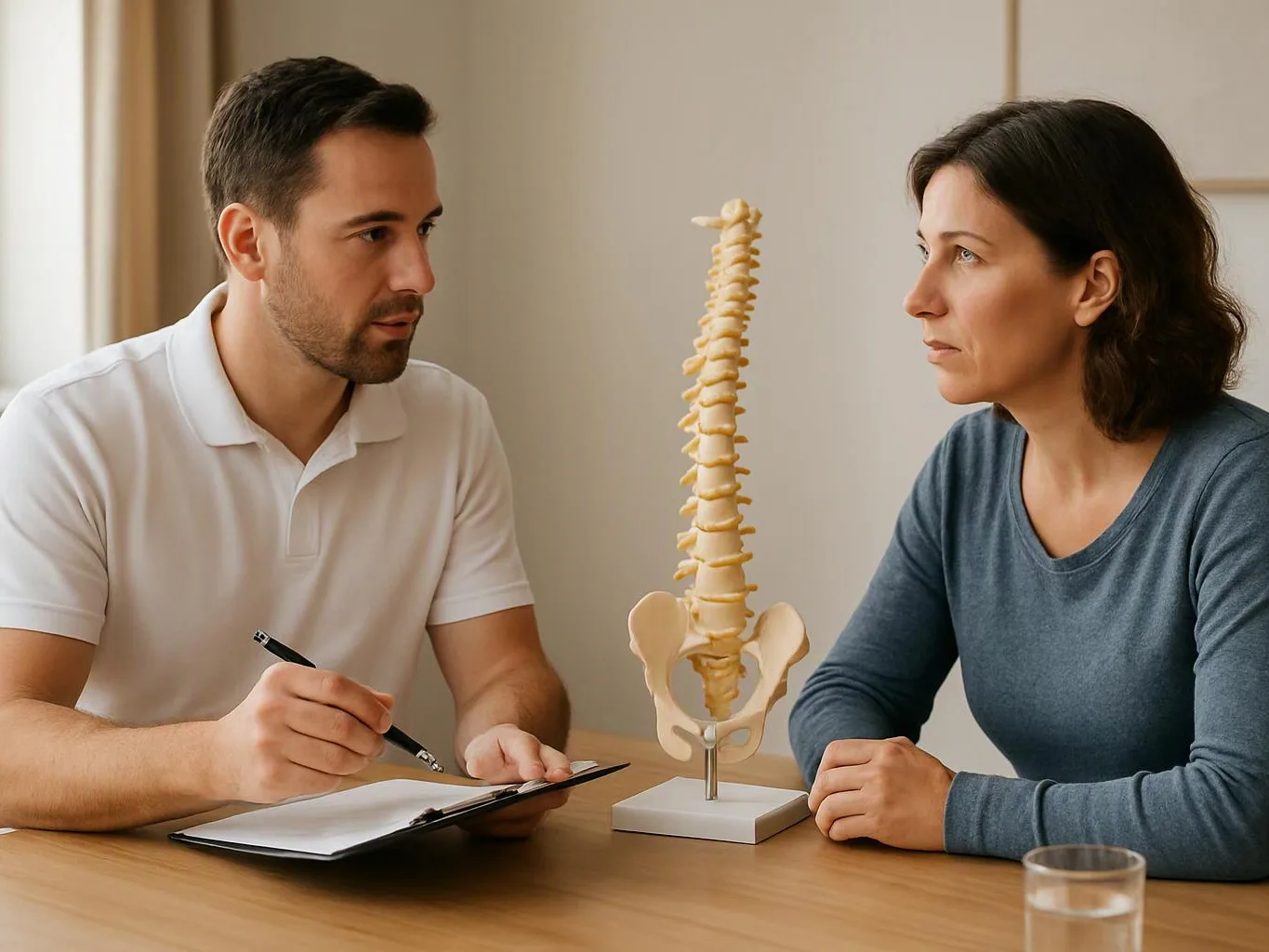
A man writes on a clipboard across from a woman beside a spine model at a table

Service Overview

Spinal decompression therapy is a non-surgical treatment that uses controlled traction to place changing pressure through the spine.

  • It differs from a chiropractic adjustment because it uses a decompression table and pressure cycles instead of a quick joint adjustment.
  • We provide this care for patients in South Fulton through Arrowhead Clinic - Lithia Springs.

What patients may gain from this treatment

Controlled pressure gives the session a planned structure.

Positioning and strap checks help keep the setup matched to the treatment plan.

The approach may support people managing back pain, neck pain, or sciatica.

A consultation gives you answers before you choose treatment.

Regular maintenance may support an ongoing care plan when it fits your needs.

Process

How a spinal decompression session is done

1

Review symptoms and health history

We discuss your symptoms, past injuries, current care, and treatment goals before setting up the table.

2

Set patient positioning

Patient positioning places your body on the spinal decompression table for the planned treatment approach.

3

Secure the treatment straps

Treatment straps support the selected body position and help prepare the table for controlled traction.

4

Start the pressure cycles

Pressure cycles guide the traction pattern while we monitor comfort and the treatment plan.

5

Review the next care step

After the session, we discuss your response and whether a progress re-examination or further planning makes sense.

How we approach this treatment

A clear fit check comes first

We review your symptoms, health history, and exam findings before planning care. Spinal decompression is the wrong job when another medical evaluation is needed for the symptoms presented.

The session follows a measured setup

Patient positioning and treatment straps are checked before pressure cycles begin. This gives you a clear explanation of how the table will be used.

Questions come before booking

Our experienced local chiropractic care team explains the treatment approach before care. We provide a free consultation so you can discuss suitability and next steps.

What spinal decompression care includes

Here's what you get:

  • A health history and exam help us review symptoms and treatment goals.
  • Patient positioning places the body on a spinal decompression table.
  • Treatment straps support the body during the planned session.
  • Pressure cycles change the traction pattern during treatment.
  • We explain what to expect before care starts.
  • A progress re-examination can help guide later treatment planning.

How treatment approaches differ

These options use different methods, so the right choice depends on the assessment and treatment goal.

Treatment approachMain methodWhat the patient discusses
Spinal decompression therapyControlled traction with pressure cyclesPositioning, straps, symptoms, and treatment fit
Chiropractic adjustmentA manual or instrument-assisted joint adjustmentJoint movement, technique choice, and exam findings
Soft tissue therapyHands-on work for muscles and related soft tissueMuscle tension, tenderness, and movement limits

The Arrowhead Clinic - Lithia Springs Standard

  • Tailored Adjustments
  • Spinal Decompression
  • Integrated Therapies
  • Pain And Injury Care

Questions about spinal decompression sessions

What happens during a spinal decompression session?

Computer control guides the pressure cycles during a spinal decompression session. The session follows the treatment plan, and comfort remains part of the discussion. Individual response differs, so later care should follow the assessment and progress review.

How is treatment matched to my symptoms before care starts?

The treatment plan is matched to your symptoms through a health history and exam. We review pain patterns, past injuries, and current care before discussing spinal decompression. X-rays may be considered if clinically indicated. The assessment helps determine whether this service fits your needs or whether another evaluation should come first.

What should be ready before spinal decompression starts?

Your health history, symptom details, and current treatment information should be ready before care starts. Bring questions about prior injuries, back pain, neck pain, or sciatica. We use that information with the exam to plan positioning and discuss the session. You do not need to decide on treatment before the consultation.

What should I ask before agreeing to treatment?

You should ask how the table, straps, and pressure cycles will apply to your symptoms. Ask what the exam found and why spinal decompression fits the plan. You can also ask what signs should be discussed during care. Clear treatment explanations before care help you make an informed choice.

Which symptoms may lead someone to discuss this treatment?

Back pain, neck pain, and sciatica may lead someone to discuss spinal decompression therapy. A herniated disc may also prompt questions, but symptoms alone do not confirm suitability. Our team reviews the health history and exam before recommending a care approach. Individual results vary.

Why might spinal decompression not be the right service?

Spinal decompression may be the wrong service when the assessment points to another medical need. We review your health history, symptoms, and exam findings before care. The consultation helps identify whether traction-based treatment fits your situation. Seek urgent medical care for severe or rapidly changing symptoms.
Contact

Discuss spinal decompression care in South Fulton

Get a clear treatment plan for your symptoms, including how positioning, straps, and pressure cycles may fit your care.

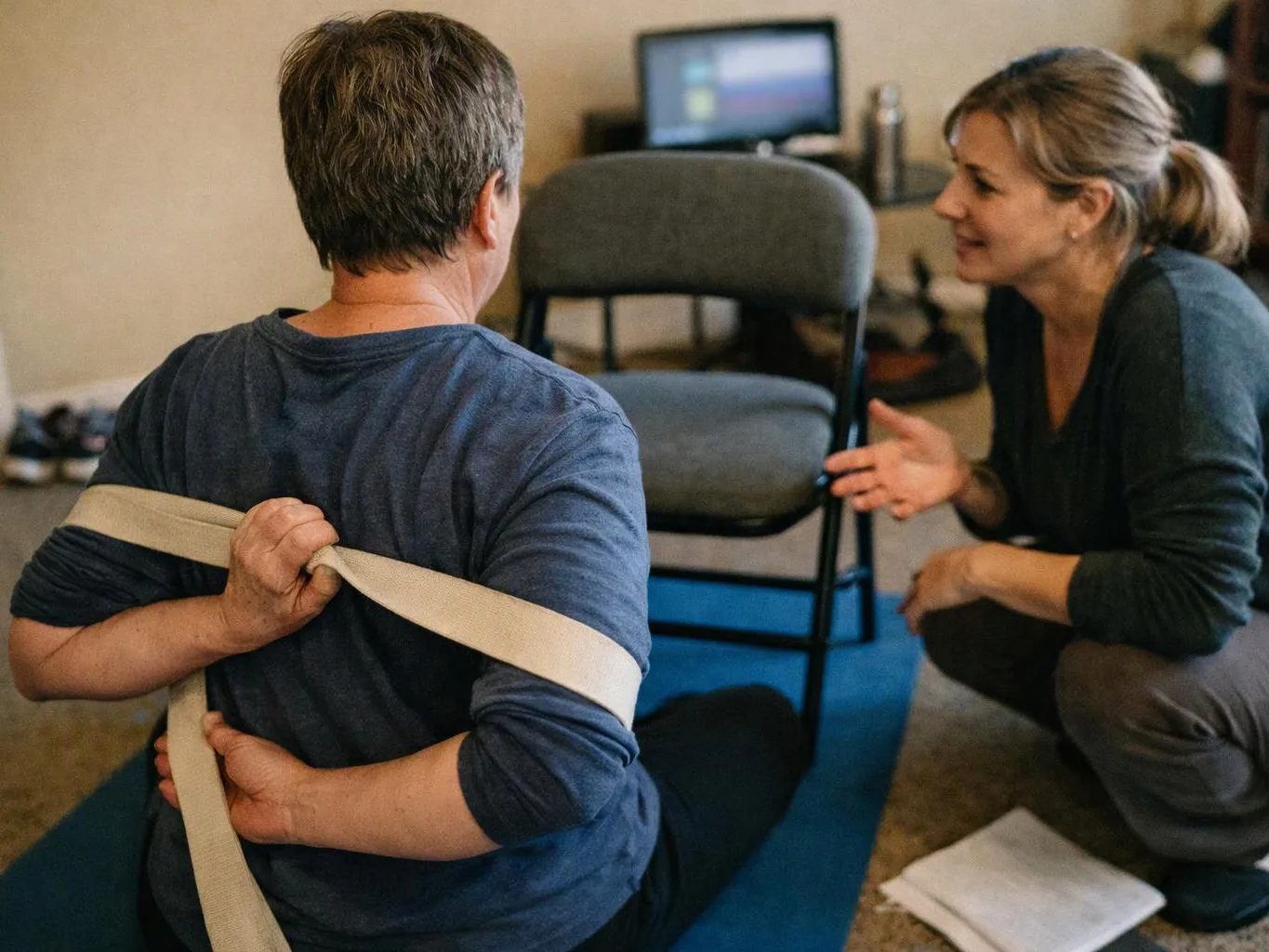
A woman kneels beside a seated man while holding a strap behind his back in a home room

Spinal Decompression Therapy in Other Areas

The health and wellness information on this website is for general informational purposes only and is not medical advice. It does not create a provider-patient relationship. Individual results vary.

(770) 501-7716