Skip to content

Spinal Decompression Therapy in Vinings, Georgia

If pressure cycles need adjustment, we review the session setup; if replacement is needed, we reassess fit in Vinings. You'll receive a clear explanation before care.

Licensed & InsuredSame-Day ServiceUpfront, Transparent PricingServing 35 Communities

Quick Summary: spinal decompression therapy in Vinings, Georgia

The clinic provides personalized chiropractic care plans and clear treatment explanations before care.

  • What we do: Arrowhead Clinic - Lithia Springs provides spinal decompression therapy for people in Vinings, Georgia, with care based on the intake, exam, and stated treatment goal.
  • What is included: Key capabilities include patient positioning, treatment strap placement, computer-controlled session settings, and clear explanations before care.
  • What you get: The patient leaves with a treatment approach that matches the exam findings, symptoms, and care goals.

What happens during a spinal decompression session?

Pressure cycles guide the session, while treatment straps and patient positioning support controlled movement. Computer control helps set the session based on the treatment plan. The clinician checks comfort and explains what to expect before care begins.
Spinal Decompression Therapy in Vinings, Georgia for Clear Session Planning

This page focuses on what happens during a spinal decompression session, not just the conditions people associate with it. Treatment starts with a new patient intake, health history, and exam. X-rays may be considered if clinically indicated.

Patients should understand what the table does, how the straps support positioning, and why settings follow the treatment plan. The service may suit some people with back pain, neck pain, or sciatica, but it isn't the right fit for every symptom or diagnosis.

The key decision is whether the planned session matches the exam findings and the patient's goal. We explain that choice before care, so patients know what the session involves and what follow-up may look like.

  • Share your health history, symptoms, and main movement concern.
  • Ask how patient positioning and table movement fit the treatment plan.
  • Discuss whether X-rays are clinically indicated.
  • Confirm what the session includes before care begins.
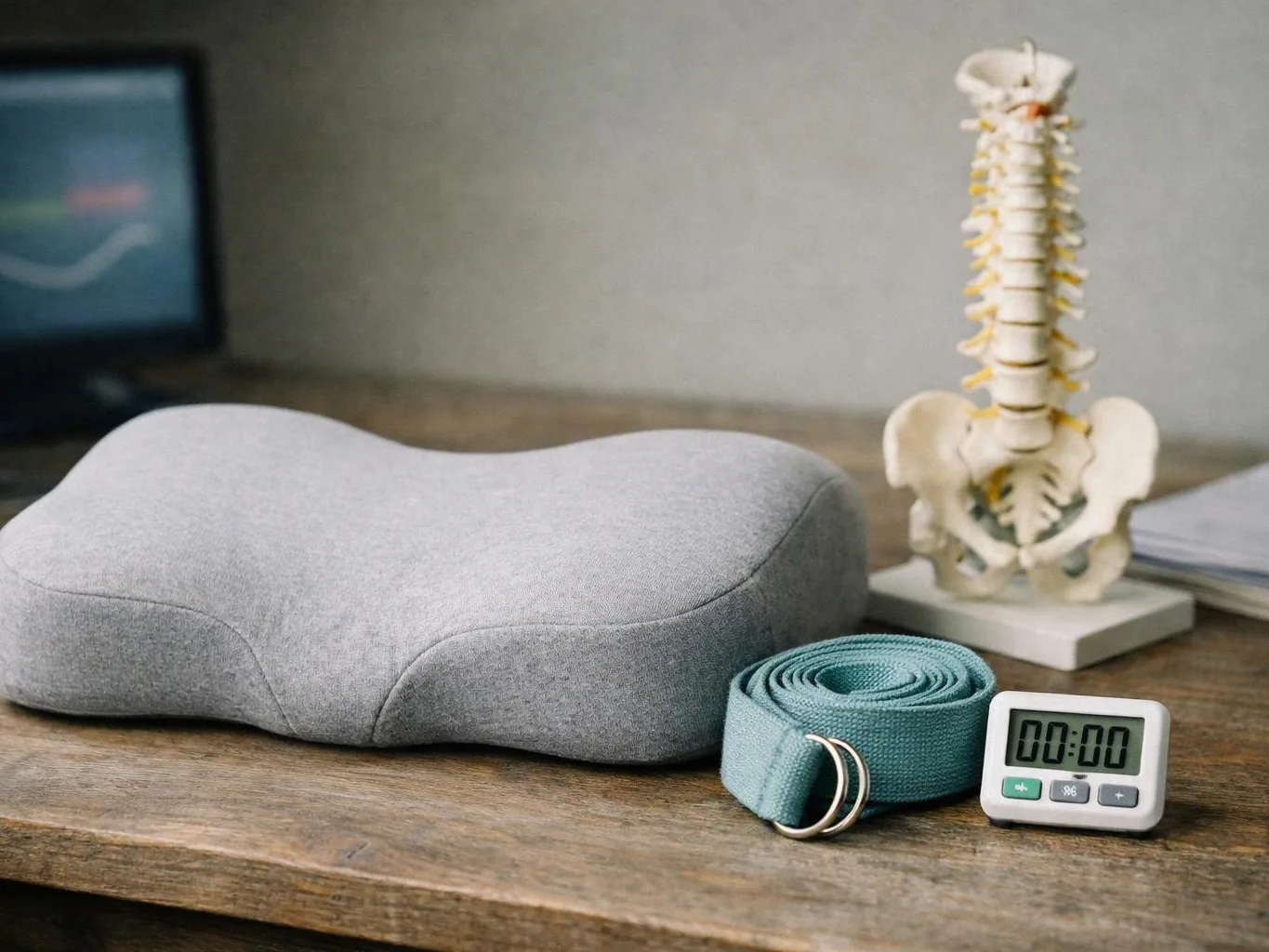
A gray neck pillow, teal strap, and digital timer sit on a wooden table beside a spine model

Service Overview

Spinal decompression therapy is a chiropractic treatment that uses controlled table movement and pressure changes to address certain spine-related symptoms.

  • It differs from a chiropractic adjustment because it uses a decompression table and controlled traction instead of a manual thrust.
  • Arrowhead Clinic - Lithia Springs provides this care for patients in Vinings after an intake and clinical exam.
Process

How a decompression session is planned and delivered

1

Complete the new patient intake

You share your health history, symptoms, and main treatment concern. This information gives the visit a clear starting point.

2

Review the exam findings

We assess your condition and movement before discussing table-based care. X-rays may be considered if clinically indicated.

3

Set the patient position

Patient positioning places you on the treatment table for the planned area of care.

4

Explain the session settings

We discuss the table movement, strap placement, and computer control before treatment begins.

5

Review follow-up care

The care discussion covers your response and whether a progress re-examination or maintenance plan is appropriate.

When this service is the right fit

A person in Vinings with recurring back pain may want to know exactly what a session involves before booking. We review the health history, assess movement and symptoms, and explain whether the planned table-based approach fits the stated goal.

What to weigh before choosing decompression care

A plan tied to your exam

The treatment discussion follows the health history and exam, so the session has a defined purpose. Patients should ask what the table movement is meant to address.

Clear explanations before care

We explain positioning, straps, table movement, and computer control before treatment begins. That gives patients a chance to ask questions before they decide.

Know when another evaluation fits

Spinal decompression therapy is the wrong job when symptoms need a different medical evaluation or urgent care. We use the intake and exam to guide that decision.

What patients gain from planned decompression care

A structured session gives patients a clearer idea of what will happen.

The treatment plan connects the exam findings with the selected table settings.

Patient positioning helps keep the session focused on the intended area.

Clear explanations support better decisions about follow-up care.

Individual response differs, so progress is reviewed through ongoing care discussions.

What spinal decompression sessions include

Here's what you get:

  • A new patient intake records your health history and current symptoms.
  • A health history and exam help guide the treatment discussion.
  • Patient positioning places the body on the spinal decompression table.
  • Treatment straps support the planned position during table movement.
  • Computer control supports the selected session settings.
  • A clear treatment explanation comes before care.

How table therapy differs from manual adjustment

These approaches use different methods, so the exam and treatment goal guide the choice.

Treatment approachMain methodWhat the patient should ask
Spinal decompression therapyTable movement with planned positioning and computer controlHow the session settings match the exam and treatment goal
Chiropractic adjustmentManual technique or an adjusting instrumentWhich adjustment method fits the clinical discussion

The Arrowhead Clinic - Lithia Springs Standard

  • Tailored Adjustments
  • Spinal Decompression
  • Integrated Therapies
  • Pain And Injury Care

Questions patients ask about decompression sessions

How can I tell whether this treatment fits my symptoms?

A health history and clinical exam help determine whether this treatment fits your symptoms. Back pain, neck pain, or sciatica may lead to a discussion, but the exam guides the care choice. We explain the findings and planned approach before treatment begins.

Which part of the treatment decides the session scope?

The exam findings and treatment goal decide the session scope. Symptoms, movement concerns, patient positioning, and the selected table settings all shape the plan. Patients receive an explanation before care, so they can ask about the intended area and follow-up.

What should I bring to a first appointment?

Your health history, symptom details, and any relevant medical records help us start the visit. A new patient intake and exam guide the discussion. Tell us about prior care, current concerns, and any imaging you already have, then ask what the next step includes.

Can spinal decompression replace a chiropractic adjustment?

Spinal decompression therapy and chiropractic adjustments use different treatment methods, so one doesn't automatically replace the other. Decompression uses a table and controlled movement, while an adjustment uses a manual technique or instrument. We discuss the option that fits the exam and care goal.

Which material changes how long the treatment takes?

The treatment plan, patient positioning, and session settings affect the time needed for care. The clinic doesn't provide a fixed duration for every patient. Ask about the planned session after the intake and exam, because individual needs guide the schedule.

Why might X-rays be discussed before treatment?

X-rays may be discussed when they are clinically indicated for the exam and treatment decision. They aren't automatically required for every visit. We review your history and findings first, then explain whether imaging would add useful information before care.
Contact

Ask about spinal decompression therapy in Vinings

Are you unsure whether table-based care fits your symptoms?

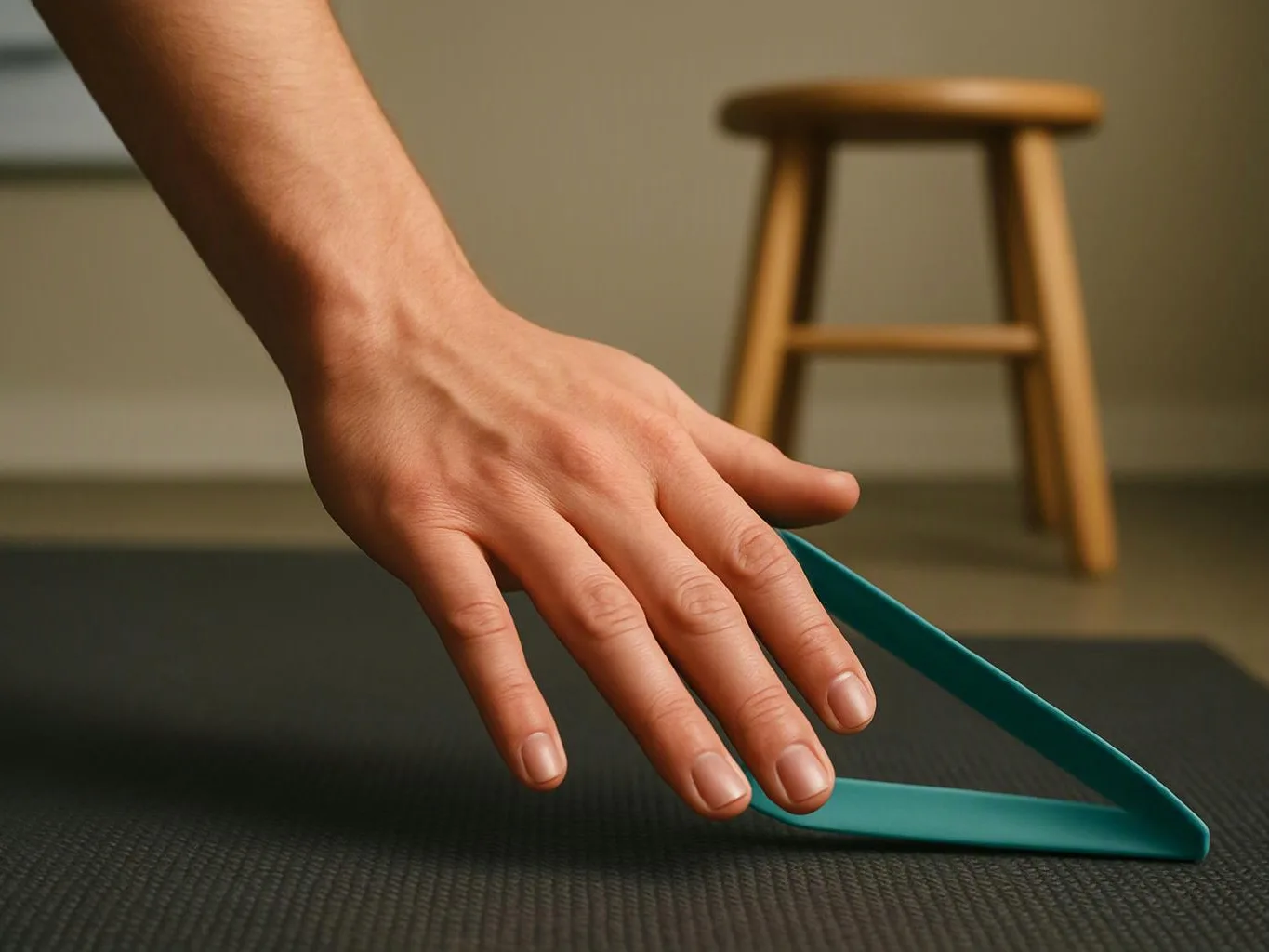
A person stretches a green resistance band over a blue exercise mat in a gym room

The health and wellness information on this website is for general informational purposes only and is not medical advice. It does not create a provider-patient relationship. Individual results vary.

(770) 501-7716