

Skip to content

Spinal Decompression Therapy in Riverdale, Georgia

How severe osteoporosis affects spinal decompression therapy is the first question for Riverdale patients. We offer free consultations and explain care before treatment.

Licensed & InsuredSame-Day ServiceUpfront, Transparent PricingServing 35 Communities

Quick Summary: Spinal decompression care in Riverdale, Georgia

The service includes a suitability discussion, health history review, and treatment planning, with free consultations available.

  • What we do: Arrowhead Clinic - Lithia Springs provides spinal decompression therapy for eligible patients in Riverdale, Georgia.
  • What is included: We review health history, discuss spinal decompression, assess treatment fit, and explain care before treatment.
  • What you get: The customer receives a clear decision about whether spinal decompression therapy fits their symptoms and health history.

Can severe osteoporosis limit spinal decompression therapy?

Severe osteoporosis may limit spinal decompression therapy because weakened vertebrae need careful review before treatment. Individual response differs, so the treatment decision follows the health history and examination.

Spinal decompression therapy for careful treatment decisions in Riverdale, Georgia

This service is for people exploring a non-surgical approach to back pain, leg symptoms, or disc-related concerns. The key decision is whether controlled traction suits the person’s health history.

Severe osteoporosis deserves special attention because weakened bone can raise safety concerns around spinal loading. Fractured vertebrae and spinal instability also need review before treatment. Pregnancy considerations may change the care plan as well.

We focus this page on treatment suitability, not a promised result. A consultation helps you understand whether spinal decompression, chiropractic adjustment, or another care path fits your needs.

  • Ask whether your bone health affects treatment suitability.
  • Share any history of fractured vertebrae or spinal instability.
  • Tell the clinic if pregnancy may affect your treatment plan.
  • Bring relevant health information to the consultation.
  • Request an explanation of the proposed treatment before agreeing to care.
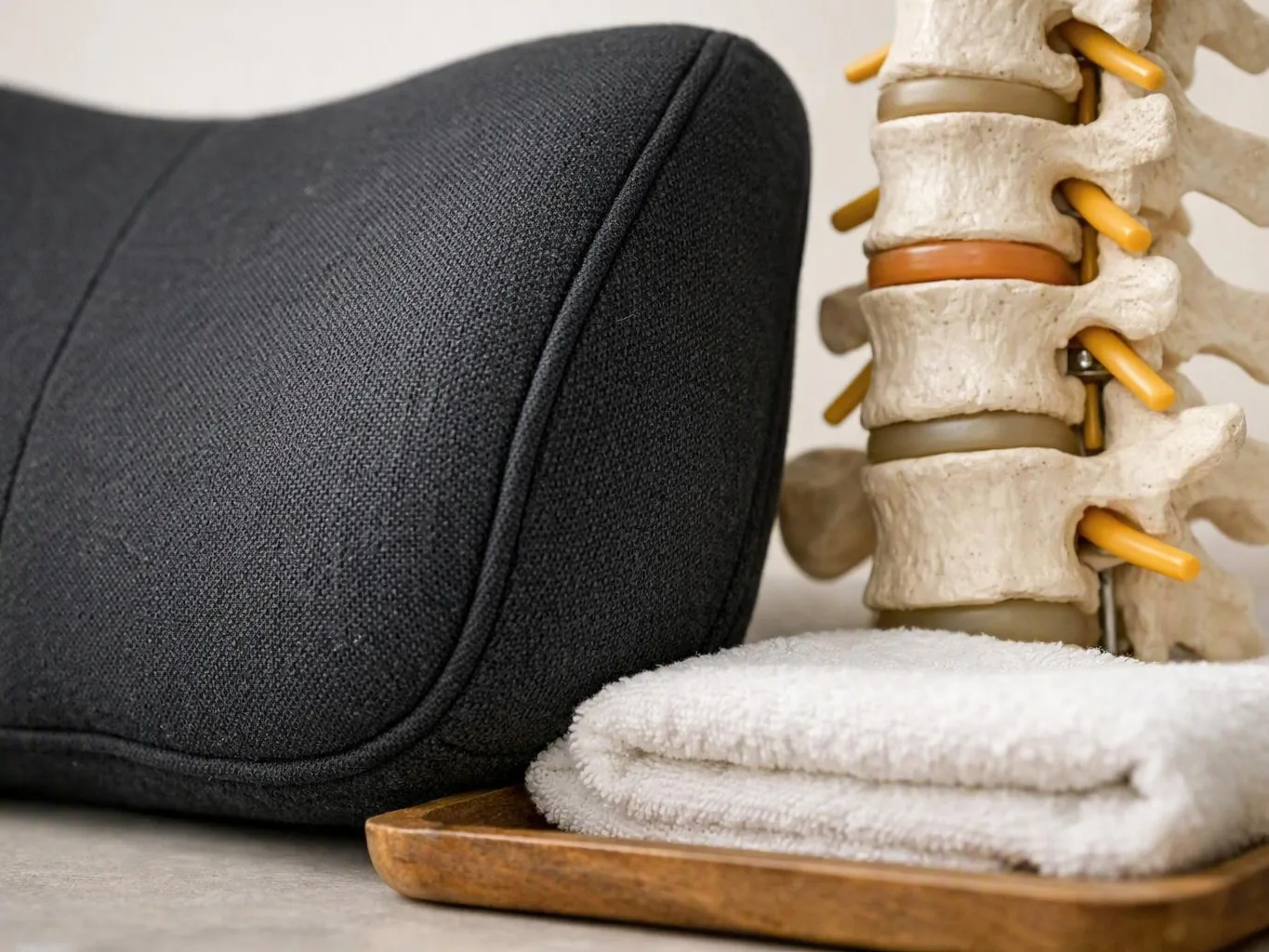
A black cushion sits beside a spine model and folded white towels on a wooden tray

Service Overview

Spinal decompression therapy is a non-surgical treatment approach that uses controlled table movement to reduce pressure through the spine.

  • It differs from chiropractic adjusting because decompression uses gradual traction, while an adjustment applies a directed movement to a joint.
  • Our team provides this care for eligible patients seeking treatment in Riverdale.

What this treatment decision gives you

You learn whether controlled traction fits your health history.

You receive a plain explanation of the proposed treatment approach.

You can discuss back pain, sciatica, neck pain, or disc concerns in one consultation.

You have a chance to ask about alternatives before agreeing to care.

You get clearer next steps for care close to home in Riverdale.

What to consider before choosing spinal decompression care

Health history guides treatment fit

The right decision starts with your health history, symptoms, and examination. Severe osteoporosis, fractures, or spinal instability may make this service unsuitable.

Treatment explanations come first

We explain the purpose of spinal decompression and how it differs from an adjustment. You can ask questions before care begins.

A consultation supports safer planning

A free consultation gives you space to discuss pregnancy considerations, prior injuries, and current symptoms before a personalized plan is considered.

Process

How we plan spinal decompression care

1

Review symptoms and health history

We discuss back pain, sciatica, neck symptoms, prior injuries, and relevant health conditions.

2

Check treatment suitability

We consider severe osteoporosis, fractured vertebrae, spinal instability, and pregnancy considerations before care.

3

Explain the treatment approach

We describe controlled traction, the spinal decompression table, and how this approach differs from an adjustment.

4

Set clear next steps

We explain whether spinal decompression fits the discussion and what to expect before any treatment plan moves forward.

What spinal decompression care includes

Here's what you get:

  • We discuss your symptoms and the reason you are considering spinal decompression therapy.
  • We review your health history and relevant conditions before treatment.
  • We consider fractured vertebrae, spinal instability, and pregnancy considerations when they apply.
  • We explain how spinal decompression differs from chiropractic adjustment.
  • We discuss a personalized chiropractic care plan when treatment is appropriate.
  • We provide a free consultation before care begins.

How traction differs from an adjustment

The table compares two chiropractic approaches that may be discussed during treatment planning.

ApproachMain methodPlanning focus
Spinal decompressionControlled traction on a spinal decompression tableHealth history and treatment suitability
Chiropractic adjustmentDirected movement of a spinal jointSymptoms, examination, and care plan

The Arrowhead Clinic - Lithia Springs Standard

  • Tailored Adjustments
  • Spinal Decompression
  • Integrated Therapies
  • Pain And Injury Care

Questions about spinal decompression treatment

What conditions may limit spinal decompression therapy?

Severe osteoporosis, fractured vertebrae, and spinal instability may limit spinal decompression therapy. Pregnancy considerations may also change the plan. The health history and examination guide whether controlled traction is appropriate.

What should be ready before treatment starts?

Health history details should be ready before spinal decompression treatment starts. Bring information about prior fractures, spinal problems, pregnancy, current symptoms, and other relevant care. Our team uses those details to explain treatment fit and discuss the next step.

Which condition can change the treatment plan?

Spinal instability can change the treatment plan because traction may not suit an unstable spine. Fractured vertebrae and severe osteoporosis also need careful review. The consultation identifies these concerns before a treatment approach is selected.

Why might an adjustment differ from spinal decompression?

A chiropractic adjustment uses a directed joint movement, while spinal decompression uses controlled traction on a table. The two approaches have different methods and treatment goals. We explain the distinction so you can discuss which option fits your symptoms and health history.

How does pregnancy affect this treatment choice?

Pregnancy may affect whether table-based spinal decompression is suitable. Tell our team about pregnancy before treatment planning begins. We can discuss the concern, review the symptoms, and explain the available next steps during a consultation.

What should I ask before agreeing to care?

Ask how your health history affects treatment suitability before agreeing to care. Useful questions cover bone health, spinal stability, prior fractures, pregnancy considerations, and the difference between traction and adjustment. Clear answers help you understand the proposed plan.

How does the first consultation guide care in Riverdale?

The first consultation connects your symptoms and health history to a treatment decision. In Riverdale, our team discusses the service, reviews conditions that may limit care, and explains what happens next. You can also ask about appointments, insurance, and available services.
Contact

Discuss spinal decompression therapy in Riverdale

We’ll explain treatment fit, available services, and clear next steps before care.

Two men sit in a room, one holding a pen and clipboard while the other watches a computer screen with a walking figure

ZIP Codes We Serve in Riverdale, Georgia

3027430296

Spinal Decompression Therapy in Other Areas

The health and wellness information on this website is for general informational purposes only and is not medical advice. It does not create a provider-patient relationship. Individual results vary.

(770) 501-7716




