Skip to content

Workers' Compensation Injury Treatment in South Fulton, Georgia

Lingering soft tissue strain can slow recovery after a workplace injury in South Fulton. We assess movement and build care around your work needs.

Licensed & InsuredSame-Day ServiceUpfront, Transparent PricingServing 35 Communities

Quick Summary: Workplace Injury Care in South Fulton, Georgia

Care may include soft tissue therapy, spinal adjustments, strength exercises, and ergonomic guidance.

  • What we do: Arrowhead Clinic - Lithia Springs provides workers' compensation injury treatment in South Fulton, Georgia, with care focused on workplace-related pain and movement limits.
  • What is included: We assess work-related symptoms and may use soft tissue therapy, spinal adjustments, strength exercises, and ergonomic guidance.
  • What you get: The goal is a personalized care plan that supports safer movement and informed recovery decisions after a workplace injury.

Why does workplace pain keep returning after an injury in South Fulton, Georgia?

Workplace pain may return when strained tissue, limited movement, weak support muscles, or poor work posture remains unaddressed. A clinical assessment helps determine which care steps fit the injury and the demands of the job.
Workplace Injury Care for South Fulton Workers

Workers' compensation injury treatment focuses on the problems that can follow a workplace strain, sprain, or overuse injury. The work may include pain, muscle tension, reduced range of motion, or trouble with job tasks.

The key decision is fit. Our team considers your symptoms, health history, work duties, and current movement before suggesting care. Results vary, so treatment plans are adjusted as individual response becomes clearer.

This page serves workers seeking care for an active workplace injury, not people seeking a general wellness visit. If symptoms suggest a need beyond chiropractic care, we explain that concern and discuss an appropriate next step.

  • Describe when the workplace injury happened and which tasks increase symptoms.
  • Bring available health records or imaging reports to support the clinical review.
  • Ask how the proposed care relates to work demands and daily movement.
  • Confirm how workers compensation acceptance and insurance benefits verification are handled.
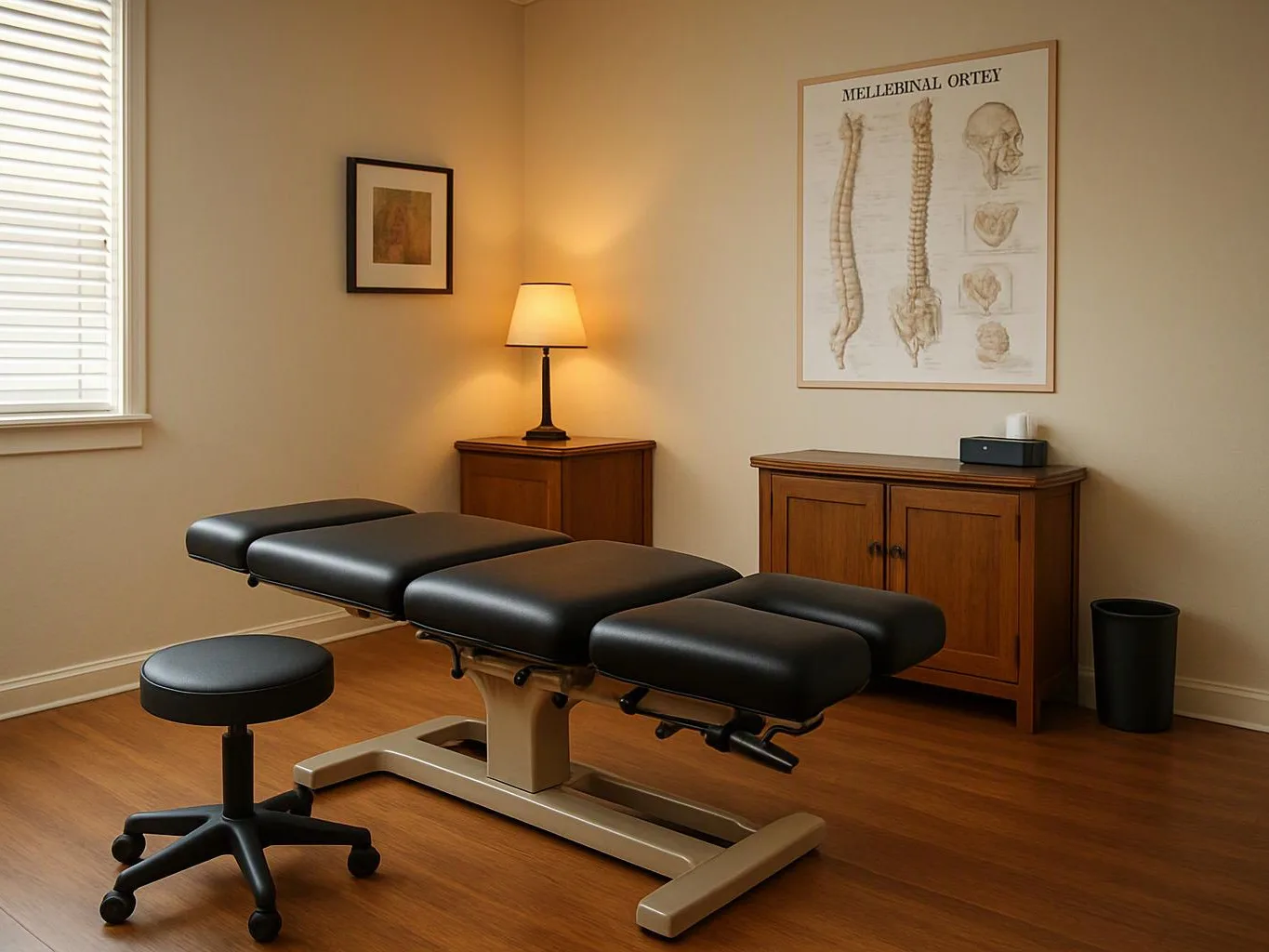
A quiet exam room shows a black treatment table, a rolling stool, a lamp, and anatomy posters on beige walls

Service Overview

Workers' compensation injury treatment is chiropractic care that addresses pain and movement limits linked to a workplace injury.

  • This care differs from general wellness visits because the plan focuses on the injury, work demands, and safe progress.
  • Our team provides this care for workers in South Fulton.

How This Care Supports Recovery

A focused assessment helps connect your symptoms with the work tasks that affect them.

Personalized chiropractic care plans give you a clearer path through each stage of care.

Treatment explanations before care help you understand why a method may fit your needs.

Strength work may support steadier movement as your body adapts to daily tasks.

Ergonomic guidance may help you spot work habits that add strain.

Individual response differs, so progress re-examination helps guide later care decisions.

Process

How Workplace Injury Care Progresses

1

Review the injury and work demands

The new patient intake covers your health history, symptoms, job tasks, and concerns. We use that information to plan the clinical exam.

2

Assess movement and affected tissue

The health history and exam look at movement, muscle tension, joint motion, and symptom patterns. X-rays may be considered if clinically indicated.

3

Explain suitable care options

We discuss findings and explain whether soft tissue therapy, spinal adjustments, strength exercises, or ergonomic guidance fit your needs.

4

Build a personalized treatment plan

A personalized chiropractic care plan sets out the recommended care and the movement goals connected to your work demands.

5

Review progress and adjust care

A progress re-examination helps us review your response and decide whether the plan needs to change.

A client scenario this service addresses

A worker with back pain after repeated lifting may need more than symptom care. We review movement, muscle tension, work posture, and task demands, then discuss whether soft tissue therapy, spinal adjustments, strength exercises, or ergonomic guidance fit the situation.

What to Consider Before Choosing Workplace Injury Care

Match care to the injury

The first decision is whether chiropractic care fits your symptoms and work demands. Our experienced local chiropractic care team reviews that fit before treatment begins. This service is the wrong job for symptoms that need emergency medical care or a different form of clinical treatment.

Understand each treatment choice

A care plan may include spinal adjustments, strength exercises, or ergonomic guidance. We explain the purpose of each step before care, so you can ask informed questions about your plan.

Plan for work-related needs

Work tasks can place different demands on the back, neck, shoulders, hips, or knees. Our team considers those demands when discussing movement goals and follow-up care.

What Workplace Injury Care Includes

Here's what you get:

  • A new patient intake records your health history, symptoms, and work demands.
  • A health history and exam help identify movement limits and areas of concern.
  • Soft tissue therapy may address muscle tension and restricted movement around an injured area.
  • Spinal adjustments may support joint motion when the clinical assessment shows they fit.
  • Strength exercises give you guided ways to build support for everyday movement.
  • Ergonomic guidance connects body position and work habits with safer task performance.

Workplace Injury Care Options

These approaches address different parts of recovery and may be combined when the assessment supports them.

Care optionMain focusWhen it may fit
Soft tissue therapyMuscle tension and affected soft tissueWhen muscle tightness limits movement
Spinal adjustmentsJoint motion and spinal movementWhen the exam supports hands-on adjustment
Strength exercisesMuscle support and controlled movementWhen guided movement work fits the plan
Ergonomic guidanceWork posture and task habitsWhen job demands may add strain

The Arrowhead Clinic - Lithia Springs Standard

  • Tailored Adjustments
  • Spinal Decompression
  • Integrated Therapies
  • Pain And Injury Care

Questions About Workplace Injury Care

How can treatment support recovery from a workplace injury?

Soft tissue therapy may support recovery by easing muscle tension and improving movement around an injured area. Spinal adjustments, strength exercises, and ergonomic guidance may add support when they fit the assessment. Individual response differs, so we review progress and adjust the plan as needed.

What should be checked before care is scheduled?

The injury history, symptoms, work demands, health history, and coverage details should be checked first. Our team reviews those points during intake and the exam.

  • Describe the work task linked to symptoms.
  • Share available health records or imaging.
  • Ask about workers compensation acceptance and insurance verification.

These details help determine whether chiropractic care fits.

Who is a good fit for this type of care?

Workers with workplace-related pain, muscle tension, or movement limits may fit this care after an assessment. The plan must match the injury and job demands. People with symptoms that need emergency medical attention or another type of treatment need a different service.

What happens at each stage of care?

The process starts with intake and an exam, then moves to care planning and progress review.

  1. We record your health history, symptoms, and work demands.
  2. We assess movement and affected areas.
  3. We explain suitable treatment methods.
  4. We review progress and adjust care.

Each stage gives you a chance to ask questions before the next step.

Which work habits can ergonomic guidance address?

Ergonomic guidance can address body position, repeated movements, task setup, and habits that add strain. The advice should relate to your actual job duties. We discuss practical changes that may support movement during work, while recognizing that each workplace and injury is different.

Why might back pain continue after a workplace strain?

Back pain may continue when muscle tension, limited movement, weak support muscles, or repeated job demands remain present. An exam helps identify which factors may matter in your case. Care may combine hands-on treatment, strength exercises, and work habit guidance.

Can I ask about coverage before treatment begins?

Yes, coverage questions can be discussed before treatment begins. Our team can explain how insurance benefits verification and workers compensation acceptance relate to scheduling and care. Bring the coverage information you have, then ask which details are needed for a clear review.

Workers' Compensation Injury Treatment in Other Areas

Contact

Discuss Workplace Injury Care in South Fulton

Are you dealing with pain after a workplace injury?

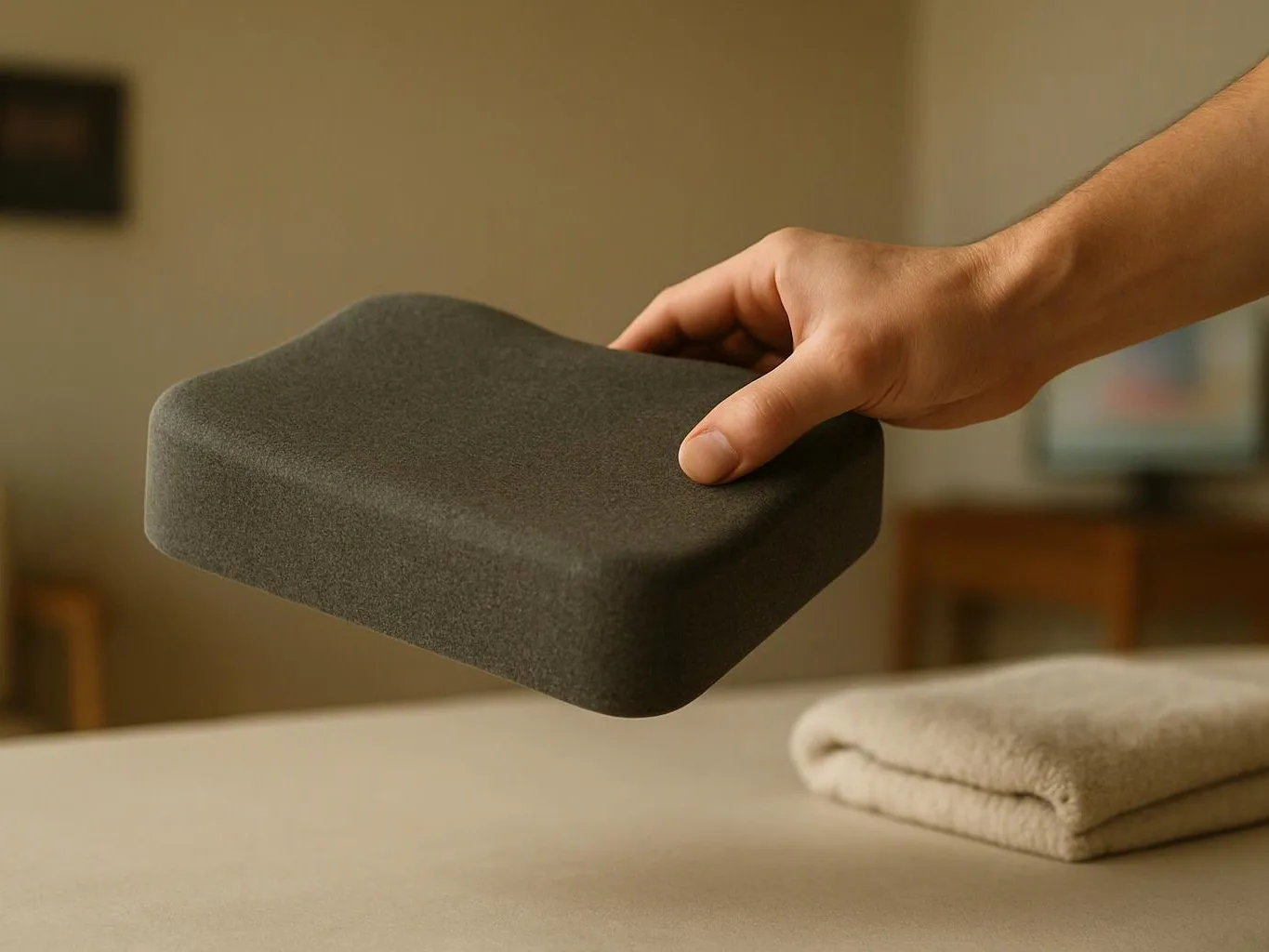
A hand holds a dark foam cushion above a table beside a folded beige towel

Workers' Compensation Injury Treatment in Other Areas

The health and wellness information on this website is for general informational purposes only and is not medical advice. It does not create a provider-patient relationship. Individual results vary.

(770) 501-7716