
Skip to content

Chiropractic Adjustment in South Fulton, Georgia

Stiff movement can limit your day. Improved mobility starts with a careful chiropractic adjustment and clear guidance for patients in South Fulton.

Licensed & InsuredSame-Day ServiceUpfront, Transparent PricingServing 35 Communities

Quick Summary: chiropractic care in South Fulton, Georgia

Care includes an assessment, treatment explanation, and guidance about post-treatment soreness and hydration.

  • What we do: Arrowhead Clinic - Lithia Springs provides Chiropractic Adjustment for people seeking care in South Fulton, Georgia.
  • What is included: health history review, physical assessment, treatment explanation, chiropractic adjustment, and post-treatment guidance.
  • What you get: The goal is to support improved mobility through a planned adjustment and clear follow-up guidance.

Why does soreness sometimes follow a chiropractic adjustment?

Post-treatment soreness can follow a chiropractic adjustment because the body responds to changes in joint movement and nearby soft tissue. The response differs for each person. We explain what to monitor, discuss hydration guidance, and review when to contact the clinic about symptoms that feel unusual or worsen.
Chiropractic Adjustment for improved mobility in South Fulton

This page is for people deciding what to expect after an adjustment, not just people comparing treatment names. The visit may address back pain, neck pain, sciatica, headaches, or reduced joint movement after a health history and exam.

A chiropractic adjustment is not the right response to every symptom. We check your concerns and explain whether an adjustment fits the situation. Severe or changing symptoms may require medical assessment before chiropractic care.

The key decision is comfort with the plan. Ask how the adjustment will be performed, what soreness might feel like, and what follow-up guidance applies to your response.

  • Share your main symptom and when it began.
  • Bring relevant health history and details about prior treatment.
  • Ask what the assessment checks before an adjustment.
  • Discuss post-treatment soreness and activity guidance.
  • Confirm how treatment response will be reviewed.
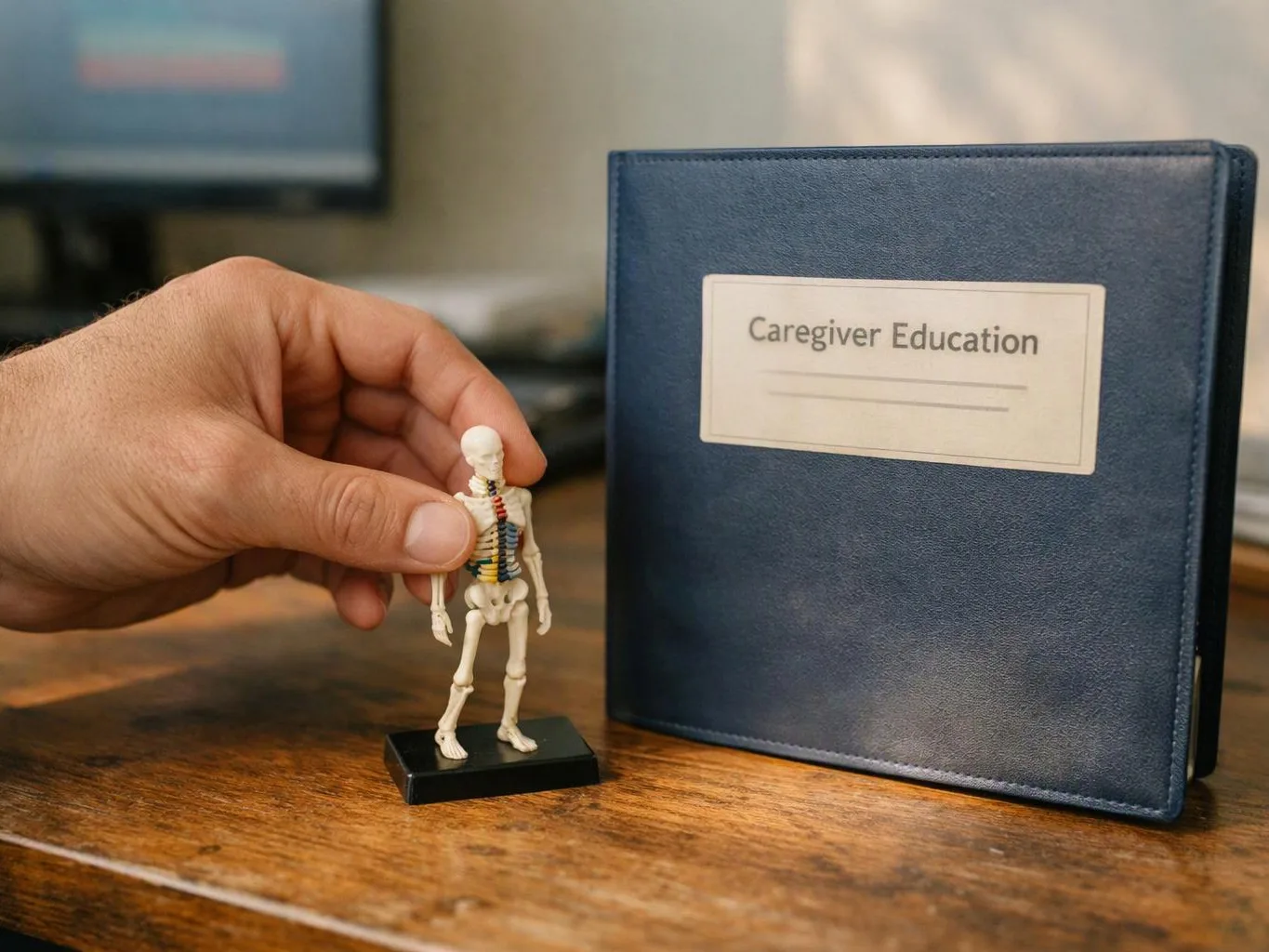
A hand adjusts a tiny skeleton figure beside a blue binder labeled Caregiver Education on a wooden table

Service Overview

Chiropractic Adjustment is a hands-on treatment that applies controlled force to improve joint movement.

  • An adjustment differs from spinal decompression because it uses manual or instrument-assisted joint work, while decompression uses a table-based method.
  • We provide this care for people in South Fulton who are seeking a local chiropractic clinic.
Process

Steps from assessment to follow-up

1

Share your health history

The new patient intake covers your symptoms, health history, prior care, and main movement concerns.

2

Complete the movement assessment

We review your range of motion and related findings. X-rays are considered if clinically indicated.

3

Review the treatment plan

The report of findings explains what we found and how the planned adjustment may address your concerns.

4

Receive the adjustment

The selected technique may include hands-on care or an Activator instrument when it suits the treatment plan.

5

Discuss your treatment response

We review possible soreness, hydration guidance, activity questions, and follow-up needs after care.

How our adjustment care supports your decision

Understand the adjustment first

You receive clear treatment explanations before care. We discuss the method, the area involved, and what you may notice afterward.

Review the body’s response

Treatment response guides the next discussion. Post-treatment soreness, movement changes, and ongoing symptoms help shape follow-up care.

Know when another service fits

Chiropractic care may be the wrong choice for symptoms that need urgent medical assessment or a different form of rehabilitation. We discuss that fit during the visit.

What improved mobility can change

Improved mobility may make everyday movement feel easier.

A clear treatment explanation helps you make an informed care choice.

Post-treatment guidance gives you practical steps after the visit.

Regular maintenance may support movement goals when it fits your care plan.

What chiropractic adjustment care includes

Here's what you get:

  • A new patient intake records your health history and main concerns.
  • A physical exam helps us review movement and areas linked to your symptoms.
  • We explain the planned adjustment before care begins.
  • The adjustment uses hands-on care or an instrument-assisted approach when appropriate.
  • We discuss hydration guidance and possible post-treatment soreness.
  • Follow-up care considers your treatment response and changing needs.

Choosing a care approach for movement concerns

These options differ by method and purpose, so the assessment should guide the choice.

Care approachMain focusWhat we review
Chiropractic adjustmentJoint movement and related symptomsHealth history, movement findings, and treatment response
Spinal decompressionTable-based traction and pressure relief goalsWhether decompression fits the concern and plan
Soft tissue therapyMuscle and nearby soft tissueTenderness, muscle tension, and movement limits

The Arrowhead Clinic - Lithia Springs Standard

  • Tailored Adjustments
  • Spinal Decompression
  • Integrated Therapies
  • Pain And Injury Care

Questions about adjustment care and recovery

What should I expect after a chiropractic adjustment?

Improved mobility is a possible treatment goal, while post-treatment soreness can also occur. We explain what to monitor after care and discuss hydration guidance, activity questions, and follow-up needs. Individual responses differ, so contact the clinic if symptoms feel unusual, worsen, or raise concern.

What does the clinician look at first during an adjustment visit?

The health history and movement assessment come first during an adjustment visit. The intake covers symptoms, prior care, and relevant health details. The exam then reviews movement and related findings. X-rays may be considered if clinically indicated before we discuss the treatment plan.

What should be checked before treatment is scheduled?

Your symptoms, health history, treatment goals, and insurance questions should be checked before treatment is scheduled. The intake helps us understand the concern, while the assessment helps determine whether chiropractic care fits. You can also ask about the adjustment method and what the first visit includes.

Who is a good fit for chiropractic adjustment care?

People with movement concerns, back pain, neck pain, or related symptoms may be a fit for chiropractic adjustment care. The assessment decides whether the service suits the situation. Severe or changing symptoms may need medical assessment, so we discuss limits and next steps before treatment.

How does an Activator instrument differ from hands-on adjustment?

An Activator instrument delivers a controlled impulse, while hands-on adjustment uses manual contact and movement. The choice depends on the assessment and treatment plan. We explain the selected method before care, so you understand what will happen during the visit.

Which symptoms should lead to another type of care?

Severe, changing, or unexplained symptoms should lead to medical assessment before chiropractic treatment. A chiropractic visit may not fit every cause of pain or limited movement. We review your history and findings, then explain whether an adjustment or another care path is appropriate.
Contact

Discuss chiropractic adjustment care in South Fulton

Improved mobility starts with knowing what the assessment and follow-up will involve.

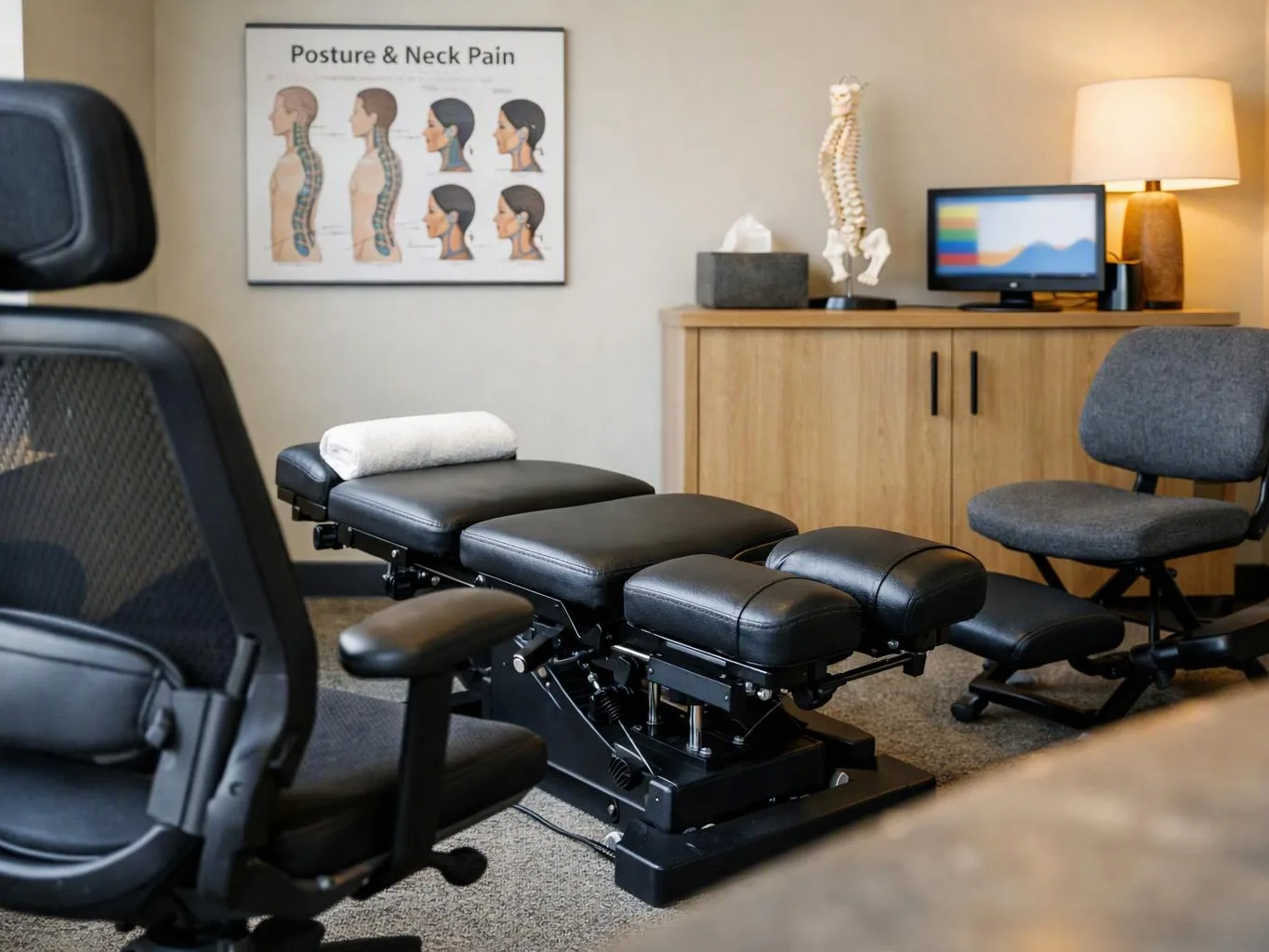
A chiropractic exam room shows an adjustment table, chairs, a posture chart, and a lamp on a cabinet

Chiropractic Adjustment in Other Areas

The health and wellness information on this website is for general informational purposes only and is not medical advice. It does not create a provider-patient relationship. Individual results vary.

(770) 501-7716