Skip to content

Workers' Compensation Injury Treatment in College Park, Georgia

Ergonomic guidance helps workers in College Park adjust daily tasks after an injury. We pair that guidance with chiropractic care based on your symptoms and exam.

Licensed & InsuredSame-Day ServiceUpfront, Transparent PricingServing 35 Communities

Quick Summary: Workplace Injury Care in College Park, Georgia

Care includes ergonomic guidance, chiropractic treatment, and exercise planning for workers in the area.

  • What we do: Arrowhead Clinic - Lithia Springs provides Workers' Compensation Injury Treatment for workers seeking chiropractic care in College Park, Georgia.
  • What is included: Ergonomic guidance, spinal adjustments, soft tissue therapy, and strength exercises support the care plan.
  • What you get: The customer receives a personalized care plan for safer movement and better support during workplace injury recovery.

Why does my workplace pain keep returning after I go back to work?

Workplace pain may return when the same lifting, reaching, sitting, or standing pattern continues. An exam can connect symptoms with movement limits, then guide treatment and work habits.
Workplace Injury Treatment for College Park Workers

Workplace injury treatment focuses on the symptoms and movement limits that follow an on-the-job injury. The visit may address back pain, neck pain, sciatica, shoulder pain, or soft tissue strain.

The buyer's main decision is fit. We review the injury history, current symptoms, work demands, and health history before discussing treatment. This page focuses on recovery support after a workplace injury, including ergonomic guidance and strength work, not claim paperwork or legal advice.

Care in College Park is available through our chiropractic practice for people seeking treatment close to home. Individual response differs, so we explain the purpose of each step and adjust care as findings change.

  • Bring details about when the workplace injury began and which tasks increase symptoms.
  • Share relevant health history, prior injuries, and current treatment information.
  • Ask how spinal adjustments, soft tissue therapy, and exercises fit your care plan.
  • Confirm insurance and workers compensation acceptance before treatment begins.
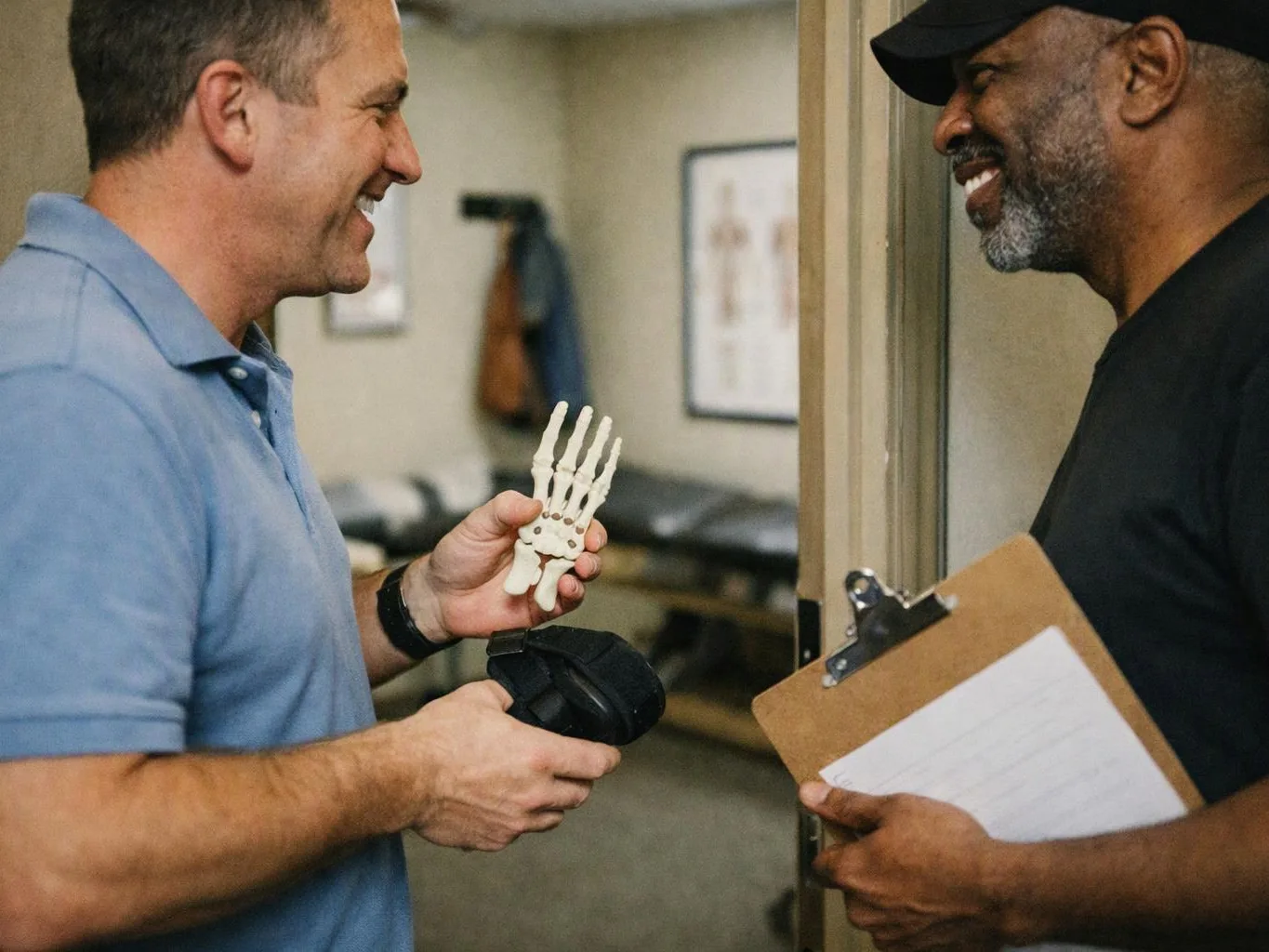
Two men smile in a clinic hallway while one holds a small foot skeleton model and the other carries a clipboard

Service Overview

Workers' compensation injury treatment is chiropractic care that addresses pain and movement limits linked to a workplace injury.

  • This care differs from general wellness visits because the assessment focuses on the work injury, daily demands, and recovery needs.
  • We provide this care for workers in College Park through our local chiropractic practice.

Choosing the Right Care for a Workplace Injury

Match care to the exam

The first visit links symptoms, movement, and work demands before treatment is planned. Our experienced local chiropractic care team explains the findings in plain language. This service is the wrong fit for symptoms that need emergency medical care or a different medical evaluation.

Connect treatment with work tasks

Ergonomic guidance looks at posture, lifting, reaching, and repeated motion. The goal is to make the care plan useful during the activities that affect your symptoms.

Build strength with purpose

Strength exercises are selected for the movement limits found during care. We explain how each exercise supports control, balance, or everyday movement.

Process

How Workplace Injury Treatment Is Done

1

Review the workplace injury

The new patient intake covers when symptoms began, which tasks affect them, and relevant health history.

2

Examine movement and function

We assess range of motion, tenderness, strength, and movement patterns that may relate to the injury.

3

Explain the care findings

A report of findings connects the exam with the treatment options that may fit your needs.

4

Apply selected treatment

Care may include spinal adjustments, soft tissue therapy, and strength exercises when those methods match the exam.

5

Review progress and next steps

Follow-up visits review your response and help guide changes to the personalized treatment plan.

How Treatment Supports Recovery at Work

Ergonomic guidance connects treatment with the movements and positions used during work.

Spinal adjustments may support joint movement when the exam shows restricted motion.

Soft tissue therapy can address muscle tightness that limits comfortable movement.

Strength exercises give you practical work between visits and support everyday movement.

Clear explanations help you understand why each treatment is included.

What Workplace Injury Care Includes

Here's what you get:

  • A new patient intake records the injury history, symptoms, and work demands.
  • A health history and physical exam assess movement, tenderness, and function.
  • Spinal adjustments may address restricted movement when they fit the exam findings.
  • Soft tissue therapy may help manage muscle tension around the affected area.
  • Strength exercises support control and movement as recovery progresses.
  • A personalized treatment plan explains the suggested care and follow-up process.

Treatment Methods Used for Different Recovery Needs

The table shows how each supported method addresses a different part of workplace injury recovery.

Treatment methodPrimary focusWhen it may fit
Spinal adjustmentsJoint movementWhen restricted motion appears during the exam
Soft tissue therapyMuscle tensionWhen tight or tender tissue affects movement
Strength exercisesMovement controlWhen active work supports recovery goals

The Arrowhead Clinic - Lithia Springs Standard

  • Tailored Adjustments
  • Spinal Decompression
  • Integrated Therapies
  • Pain And Injury Care

Questions About Workplace Injury Care

How can treatment support recovery from a workplace injury?

Ergonomic guidance connects care with the work movements that may keep symptoms active. We assess posture, lifting, reaching, and repeated tasks, then explain how spinal adjustments, soft tissue therapy, or strength exercises may fit the plan. Individual response differs, so follow-up helps us review movement and adjust care when needed.

What does the first appointment include after a work injury?

The first appointment includes an intake, health history, exam, and discussion of treatment options. We ask about the injury, current symptoms, work duties, and prior care. X-rays may be considered if clinically indicated. You receive clear treatment explanations before care begins.

Which workers are a good fit for this treatment?

Workers with workplace-related pain or movement limits may be a good fit for this care. The exam must support chiropractic treatment as an appropriate option. Severe symptoms that need urgent medical evaluation, or conditions outside chiropractic care, need a different service.

When might spinal adjustments be part of recovery care?

Spinal adjustments may be included when restricted movement and the exam findings support them. We review your health history and symptoms before choosing this method. The plan may also use soft tissue therapy or exercises when those options better match the movement problem.

Why can work tasks keep triggering back or neck pain?

Repeated posture, lifting, reaching, or force can keep stressing an injured area. We review the task pattern and examine movement, strength, and muscle tension. Ergonomic guidance then helps connect treatment with the actions performed during the workday.

How does the clinic handle insurance questions for an injury claim?

Insurance verification reviews the coverage information connected with your visit. Our team can discuss workers compensation acceptance, available coverage questions, and the records needed for billing review. Ask about current policies before treatment so the financial process is clear.

What should I bring to my first workplace injury visit?

Bring the injury details, current symptoms, health history, and information about the work tasks that increase discomfort. Relevant medical records may help if they are available. A clear description of the injury helps us plan the exam and explain suitable treatment options.

Workers' Compensation Injury Treatment in Other Areas

Contact

Discuss Workplace Injury Care in College Park

Start with an assessment of your injury history, symptoms, and work demands.

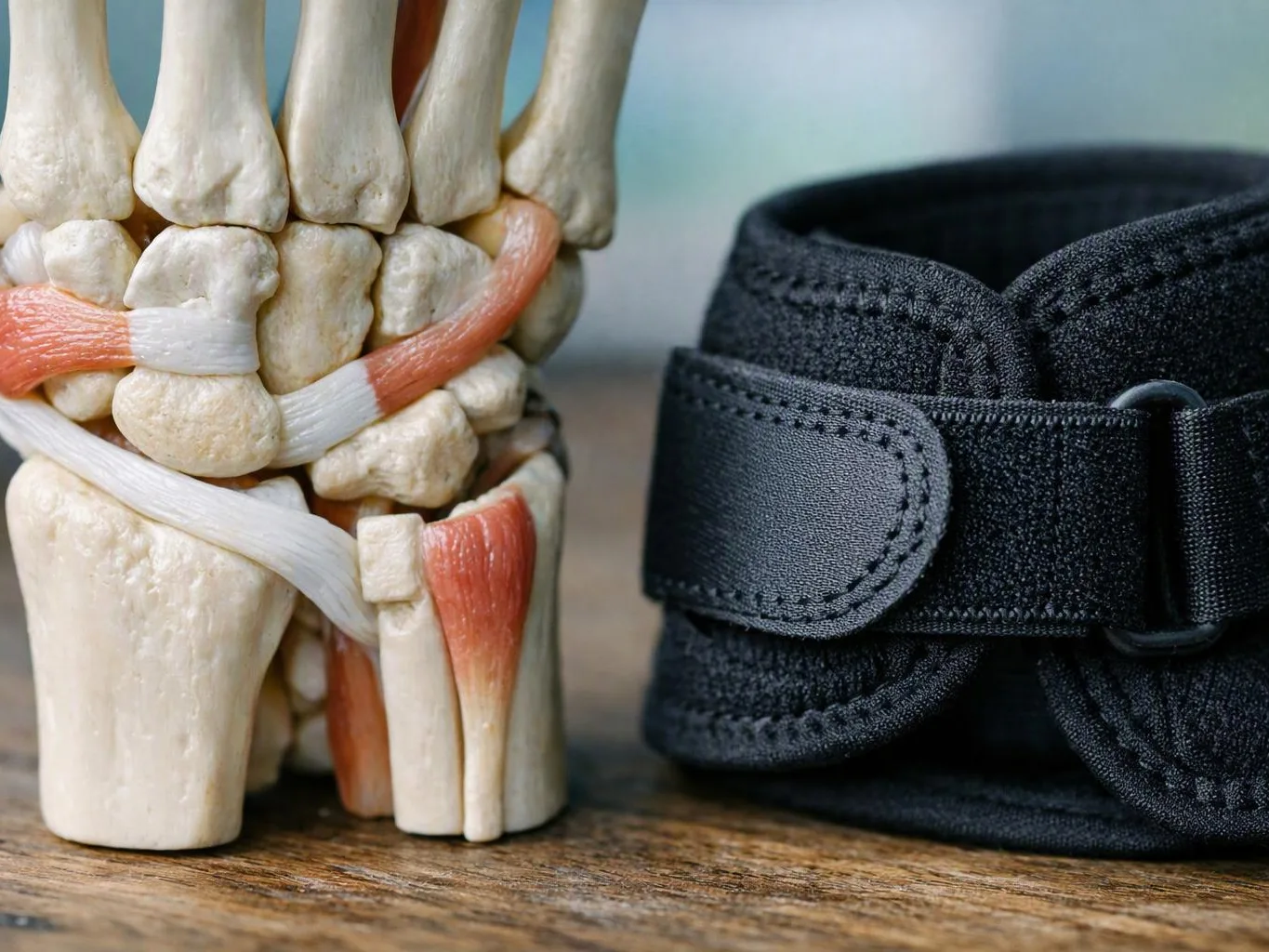
A bone joint model sits beside a black wrist brace on a wooden surface

Workers' Compensation Injury Treatment in Other Areas

The health and wellness information on this website is for general informational purposes only and is not medical advice. It does not create a provider-patient relationship. Individual results vary.

(770) 501-7716