Skip to content

Workers' Compensation Injury Treatment in Marietta, Georgia

What work setup is adding strain? Ergonomic guidance helps workers in Marietta connect daily tasks with a safer recovery plan. We explain each treatment before care begins.

Licensed & InsuredSame-Day ServiceUpfront, Transparent PricingServing 35 Communities

Quick Summary: Work Injury Care in Marietta, Georgia

Care may include ergonomic guidance, spinal adjustments, soft tissue therapy, and strength exercises, with free consultations available.

  • What we do: Arrowhead Clinic - Lithia Springs provides workers' compensation injury treatment for work-related pain and movement limits in Marietta, Georgia.
  • What is included: Key capabilities include ergonomic guidance, spinal adjustments, soft tissue therapy, strength exercises, health history review, and treatment planning.
  • What you get: The customer receives a clear treatment plan that connects symptoms, movement needs, and work-related recovery goals.

Why does work-related back pain keep returning after treatment?

Work-related back pain can return when job movements, lifting habits, or seated posture keep stressing the same area. Treatment reviews those demands and may combine spinal adjustments, soft tissue therapy, strength exercises, and ergonomic guidance. Seek urgent medical care for severe weakness, loss of bladder or bowel control, or other serious warning signs.
Workers' Compensation Injury Treatment in Marietta

Workers' compensation injury treatment supports people whose work has led to back pain, neck pain, shoulder pain, sciatica, or other movement concerns. The key decision is whether the care plan addresses both the body area and the work task that keeps provoking symptoms.

We review the health history and perform an exam before discussing care. X-rays may be considered if clinically indicated. A treatment plan can include spinal adjustments, soft tissue therapy, strength exercises, and ergonomic guidance.

This page serves buyers who need recovery-focused chiropractic care after a workplace injury. It does not replace emergency medical care, hospital treatment, or a specialist referral when serious symptoms require another level of care.

  • Work duties and movements that increase symptoms.
  • Pain location, range of motion, and strength changes.
  • Current health history and relevant treatment records.
  • Whether chiropractic care fits the injury and recovery goal.
  • Questions about treatment, scheduling, and insurance benefits verification.
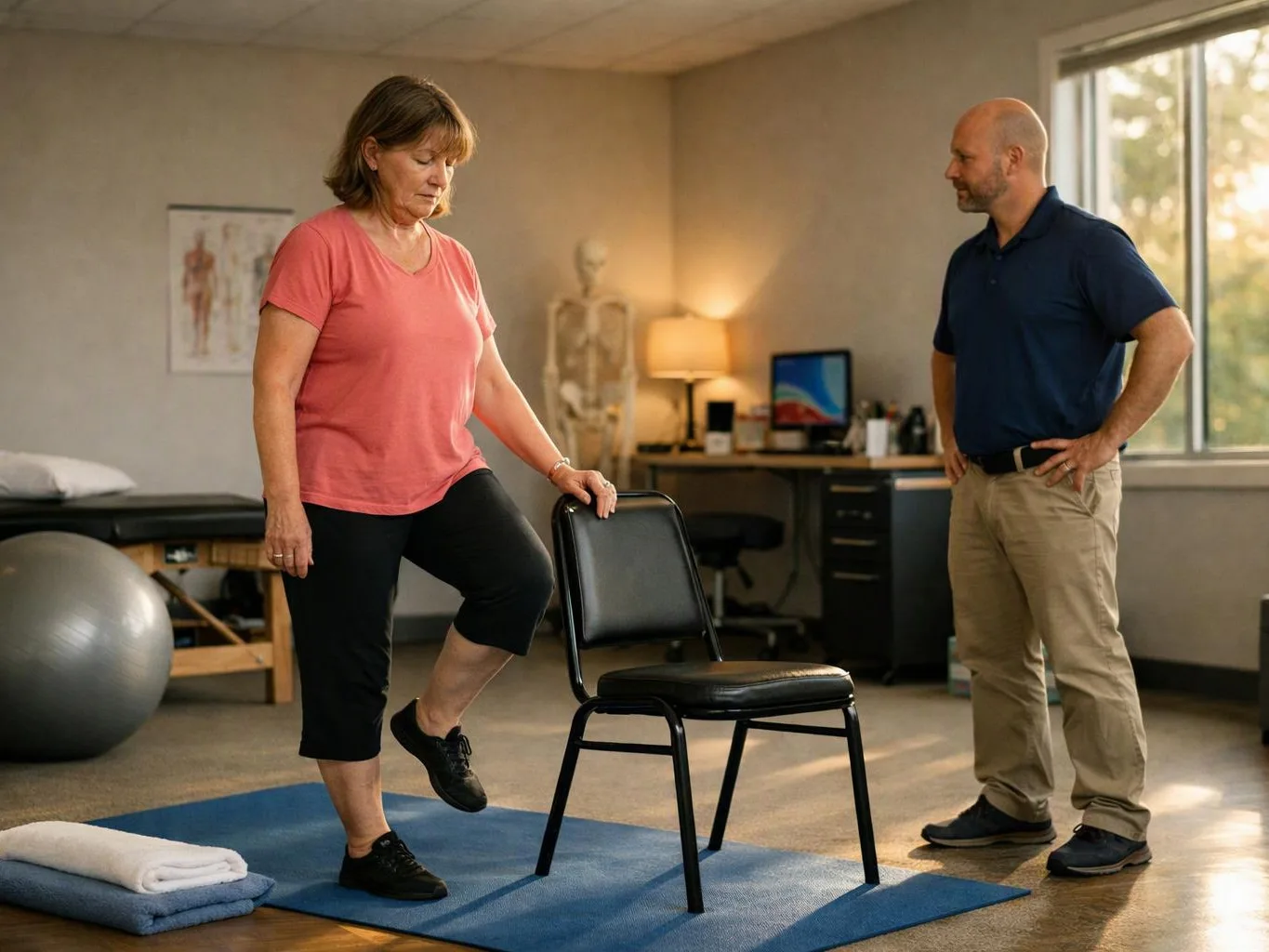
A woman balances on one leg beside a chair while a man watches in a therapy room

Service Overview

Workers' compensation injury treatment is chiropractic care that addresses work-related pain, movement limits, and recovery needs.

  • This care differs from general wellness visits because the plan focuses on an injury, its work demands, and safe return to daily activity.
  • We provide this care for workers in Marietta and the surrounding area.

How We Approach Work Injury Care

Match care to the work demand

Ergonomic guidance links symptoms to lifting, reaching, sitting, or repeated movement. We use that information when building the treatment plan.

Explain each treatment first

Clear treatment explanations come before care, so you know why an adjustment, soft tissue therapy, or exercise is being considered.

Know when another service fits

This service is not the right job for a medical emergency, severe neurological warning sign, or condition that needs hospital or specialist care.

Process

How We Plan Work Injury Care

1

Review the injury and work demands

The new patient intake covers symptoms, health history, work tasks, and movement limits. Bring relevant treatment records when available.

2

Complete the health history and exam

We assess movement, strength, tenderness, and range of motion. X-rays may be considered if clinically indicated.

3

Explain the treatment options

The report of findings connects the exam with possible care, such as spinal adjustments, soft tissue therapy, or exercises.

4

Set the personalized treatment plan

We outline the planned care and explain how ergonomic guidance may fit the work demands and recovery goals.

5

Review progress and adjust care

Follow-up checks compare movement and daily function with the treatment goals. The plan can change when the clinical picture changes.

What Work Injury Care Includes

Here's what you get:

  • A new patient intake records the injury history, symptoms, and work demands.
  • A health history and exam assess movement, tenderness, strength, and range of motion.
  • Spinal adjustments may address restricted movement when they fit the clinical assessment.
  • Soft tissue therapy may address tight or irritated muscles around the affected area.
  • Strength exercises support controlled movement and daily function during recovery.
  • A personalized treatment plan explains the proposed care and follow-up approach.

How Work Injury Care Supports Recovery

Ergonomic guidance connects treatment goals with the movements and positions used at work.

Spinal adjustments may help improve restricted motion when the exam supports that approach.

Soft tissue therapy may ease muscle tightness that limits comfortable movement.

Strength exercises give you active steps for building control during recovery.

Clear treatment explanations help you understand the reason for each part of care.

Individual response differs, so progress is reviewed against movement and daily activity goals.

Work Injury Care Methods Compared

These methods address different parts of recovery and may be combined when the assessment supports them.

Care methodPrimary focusWhen it may fit
Spinal adjustmentsRestricted spinal movementWhen the exam supports controlled spinal care
Soft tissue therapyTight or tender musclesWhen muscle tension affects comfortable movement
Strength exercisesControlled movement and active supportWhen the customer can perform guided exercises safely

The Arrowhead Clinic - Lithia Springs Standard

  • Tailored Adjustments
  • Spinal Decompression
  • Integrated Therapies
  • Pain And Injury Care

Questions About Work Injury Care

How can treatment support recovery from a workplace injury?

Ergonomic guidance connects treatment with the movements and positions that affect recovery. Results vary, so progress is checked through movement and daily activity goals. A free consultation gives you time to discuss fit before care.

What should be ready before workers' compensation injury treatment starts?

Work details, symptom history, and relevant treatment records help begin the assessment. Bring information about the injury, tasks that increase symptoms, current care, and any questions about coverage. The new patient intake and health history guide the exam. We then explain the proposed care before treatment begins.

Which work condition can change the treatment plan?

Repeated lifting, reaching, sitting, or other demanding movements can change the treatment plan. Work tasks show which positions may keep stressing the affected area. We review those tasks with the exam findings and may add ergonomic guidance, strength exercises, or changes to the care focus. Individual response still guides follow-up decisions.

What should a customer ask before agreeing to care?

Treatment goals, proposed methods, follow-up checks, and coverage questions should be discussed before care. Ask why a spinal adjustment, soft tissue therapy, or exercise fits the exam. Also ask what symptoms should prompt medical attention. Clear treatment explanations help you make an informed decision about the plan.

Can chiropractic care help with sciatica after a work injury?

Chiropractic care may help some people with sciatica-related pain and movement limits after an assessment. The exam looks at symptoms, strength, motion, and possible warning signs before care is chosen. Spinal adjustments, soft tissue therapy, and exercises may be considered when appropriate. Severe weakness or loss of bladder or bowel control needs urgent medical care.

Why might strength exercises be part of recovery?

Strength exercises help build controlled movement for daily tasks and work demands. The exercises should match the affected area, current ability, and treatment plan. We explain how to perform them and review progress during follow-up. Stop and seek guidance if an exercise sharply worsens symptoms.

What decides whether X-rays are used?

Clinical findings decide whether X-rays are appropriate for the assessment. The health history, injury details, symptoms, and exam help guide that choice. X-rays are not automatic for every visit. We explain the reason for any recommended imaging before moving forward.

Workers' Compensation Injury Treatment in Other Areas

Contact

Discuss Work Injury Care in Marietta

Request a free consultation for clear next steps before care.

A gray neck pillow, folded white towel, and small clear bottle sit on a teal table

ZIP Codes We Serve in Marietta, Georgia

3000630007300083006030061300623006330064300653006630067300683006930090

Workers' Compensation Injury Treatment in Other Areas

The health and wellness information on this website is for general informational purposes only and is not medical advice. It does not create a provider-patient relationship. Individual results vary.

(770) 501-7716