
Skip to content

X-Ray Imaging in Vinings, Georgia

Arthritis changes can shift the need from routine adjustment to closer imaging in Vinings. We offer x-ray imaging and free consultations so you can discuss the next step before care.

Licensed & InsuredSame-Day ServiceUpfront, Transparent PricingServing 35 Communities

Quick Summary: x-ray imaging in Vinings, Georgia

The service supports care for individuals and families seeking a nearby chiropractor, with free consultations available.

  • What we do: Arrowhead Clinic - Lithia Springs provides X-Ray Imaging for chiropractic assessment in Vinings, Georgia.
  • What is included: The service examines bone alignment, joint spaces, spinal structure, bone spurs, and other changes relevant to chiropractic care.
  • What you get: X-Ray Imaging helps clarify whether visible bone or joint changes should shape the treatment plan.

What can x-ray imaging help identify when back or neck pain keeps returning?

X-ray imaging can help identify arthritis changes, bone spurs, disc narrowing, and joint degeneration. These findings can add context to a health history and physical exam, but images don't explain every source of pain. A chiropractor reviews the findings with your symptoms before recommending care.

X-Ray Imaging in Vinings, Georgia for arthritis-related changes

X-ray imaging gives a chiropractor a view of bone position, joint spaces, and visible structural change. It may help identify bone spurs, disc narrowing, or joint degeneration when symptoms keep returning or movement changes.

Customers use this service to support a care decision, not to replace an exam. An image has limits, and it may not show every cause of pain, nerve symptoms, or soft tissue strain.

The useful question is whether the image adds information to the health history and exam. Our team reviews that fit before connecting the findings to a personalized treatment plan.

  • Discuss the symptom pattern and health history before imaging.
  • Review bone alignment, joint spaces, and visible structural changes.
  • Ask how the findings relate to chiropractic care.
  • Confirm the next step after the images are reviewed.
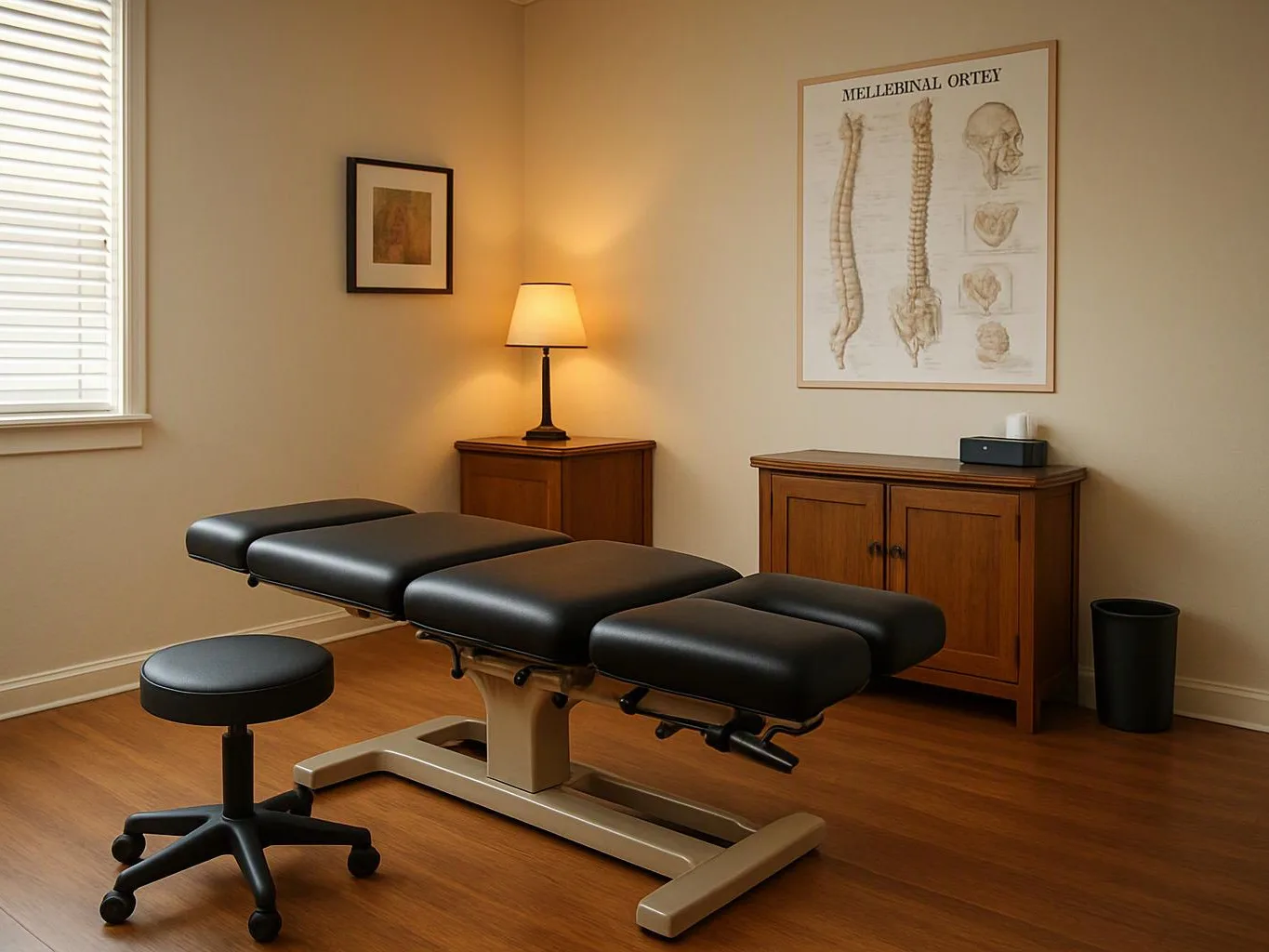
A quiet exam room shows a black treatment table, a rolling stool, a lamp, and anatomy posters on beige walls

Service Overview

X-ray imaging is a diagnostic service that creates pictures of bones, joints, and spinal alignment.

  • X-ray imaging shows bone structure, while soft tissue therapy works with muscles and connective tissue.
  • Our team provides this chiropractic imaging service for people seeking care in Vinings.

What this chiropractic imaging visit includes

Here's what you get:

  • We discuss your symptoms and health history before taking images.
  • We use digital X-ray imaging to view relevant bones and joints.
  • We review visible alignment changes and joint-space concerns.
  • We explain how findings may relate to your treatment plan.
  • We identify when another type of medical assessment may be more suitable.

What to consider before choosing this imaging service

Clinical fit before image review

Your symptoms, health history, and exam guide whether imaging fits the visit. Customers with concerns outside chiropractic care may need a different medical service.

Plain-language findings

We explain terms such as disc narrowing and bone spurs in everyday language, then connect them to the care discussion.

Experienced local chiropractic care team

Our team provides personalized chiropractic care plans and explains the role of imaging before care begins.

Process

How our chiropractic imaging visit works

1

Discuss symptoms and health history

We start with your symptoms, past health details, and movement concerns. This discussion helps frame what the exam needs to assess.

2

Complete the physical exam

The exam adds information about movement, tenderness, and function. Customers can ask questions before imaging is considered.

3

Capture relevant digital images

When imaging fits the clinical picture, we take digital X-ray views of the relevant bones or joints.

4

Explain the visible findings

We discuss alignment, joint spaces, bone spurs, or other visible changes in plain language.

5

Set the next care step

The findings, symptoms, and exam guide the personalized chiropractic care plan or the recommendation for another service.

How bone images support your care decision

Images can give your chiropractor more context when symptoms and movement changes do not tell the full story.

A clearer view of bone structure may help shape a safer, more focused care plan.

You receive an explanation of what the images show before treatment decisions are made.

The service helps separate questions about bone structure from concerns that involve soft tissue.

What different assessment methods show

Each method answers a different clinical question, so the right choice depends on the concern being assessed.

Assessment methodWhat it examinesHow it supports the visit
Digital X-rayBones, joints, and visible alignmentAdds structural information to the exam
Physical examMovement, function, and symptomsShows how the concern affects the body
Soft tissue assessmentMuscles and connective tissueAddresses concerns that images may not show

The Arrowhead Clinic - Lithia Springs Standard

  • Tailored Adjustments
  • Spinal Decompression
  • Integrated Therapies
  • Pain And Injury Care

Questions about chiropractic imaging and bone changes

What can x-ray imaging help identify?

X-ray imaging can help identify arthritis changes, bone spurs, disc narrowing, and joint degeneration. These findings show visible bone or joint structure. They do not explain every cause of pain, since muscles, nerves, and other soft tissues may need a different assessment.

Who is a good fit for this service, and who needs a different one?

People with symptoms that may involve bone or joint structure can be a fit for this service. A different assessment may suit concerns focused on soft tissue, severe medical symptoms, or conditions outside chiropractic care. Our team reviews your health history and exam first. That step helps match the service to the reason for your visit.

What does the crew look at first during the visit?

The health history and physical exam come first during the visit. They help identify the symptom pattern, movement limits, and areas that need attention. Customers can share past injuries, current concerns, and relevant records. The exam then guides whether digital images add useful information.

Which changes may appear on a spinal image?

Spinal images may show alignment changes, bone spurs, disc narrowing, or joint degeneration. The images focus on bone structure and visible spaces between joints. A finding does not always explain a symptom by itself. We discuss the image with the exam before connecting it to care.

When should customers ask about imaging during a consultation?

Customers should ask about imaging when recurring symptoms, movement changes, or a past injury raise questions about bone structure. The consultation helps decide whether images fit the current concern. Bring relevant health details and explain what makes the symptom better or worse. Our team can then outline the next step.

Why might an image not explain all of my pain?

An image may not show muscle, nerve, or other soft tissue causes of pain. X-rays focus mainly on bones and joint structure. The health history and physical exam add information that images cannot provide. We use all relevant findings when discussing personalized chiropractic care.

How does the consultation affect the final cost?

The consultation helps identify which services and imaging are appropriate for your visit. The final cost can depend on that scope and on accepted coverage. Ask about insurance verification and self-pay information before treatment decisions are made.
Contact

Ask about x-ray imaging in Vinings

Vinings patients can ask about bone and joint imaging during a free consultation.

A woman flips through papers on a clipboard beside a sofa in a softly lit room

The health and wellness information on this website is for general informational purposes only and is not medical advice. It does not create a provider-patient relationship. Individual results vary.

(770) 501-7716