Skip to content

Workers' Compensation Injury Treatment in Druid Hills, Georgia

Reviewing diagnosis notes helps guide workers' compensation injury treatment in Druid Hills. We offer free consultations before care begins.

Licensed & InsuredSame-Day ServiceUpfront, Transparent PricingServing 35 Communities

Quick Summary: Workers' Compensation Care in Druid Hills, Georgia

Care includes chiropractic assessment, treatment records, work restriction guidance, and progress reporting for people seeking a nearby clinic.

  • What we do: Arrowhead Clinic - Lithia Springs provides workers' compensation injury treatment for work-related pain and movement limits in Druid Hills, Georgia.
  • What is included: Chiropractic exams, treatment planning, health history review, work restriction guidance, treatment records, and progress reports.
  • What you get: The patient leaves with a clearer care plan and records that explain the findings, treatment, and work needs.

What documentation may support a workers' compensation claim?

Diagnosis notes, treatment records, work restrictions, and progress reports may support a workers' compensation claim when they accurately describe the injury and care.
Workers' Compensation Injury Treatment for Druid Hills Workers

Work injuries often raise two questions at once. You want care for the pain, and you need records that explain how the injury affects work.

This service is for people with a work-related injury who need an exam, treatment plan, and follow-up record. We look at the health history, symptoms, movement, and work demands before care starts. X-rays may be considered when clinically indicated.

The key choice is whether the clinic can address the injury and document the care clearly. Chiropractic care may suit musculoskeletal pain and movement limits. A serious medical emergency, severe weakness, loss of bladder or bowel control, or another urgent symptom needs immediate medical care.

  • Bring available employer or claim information to the consultation.
  • Share health history, symptoms, and any care received after the injury.
  • Ask how treatment records and work restrictions will be documented.
  • Confirm how progress reports will be handled during follow-up care.
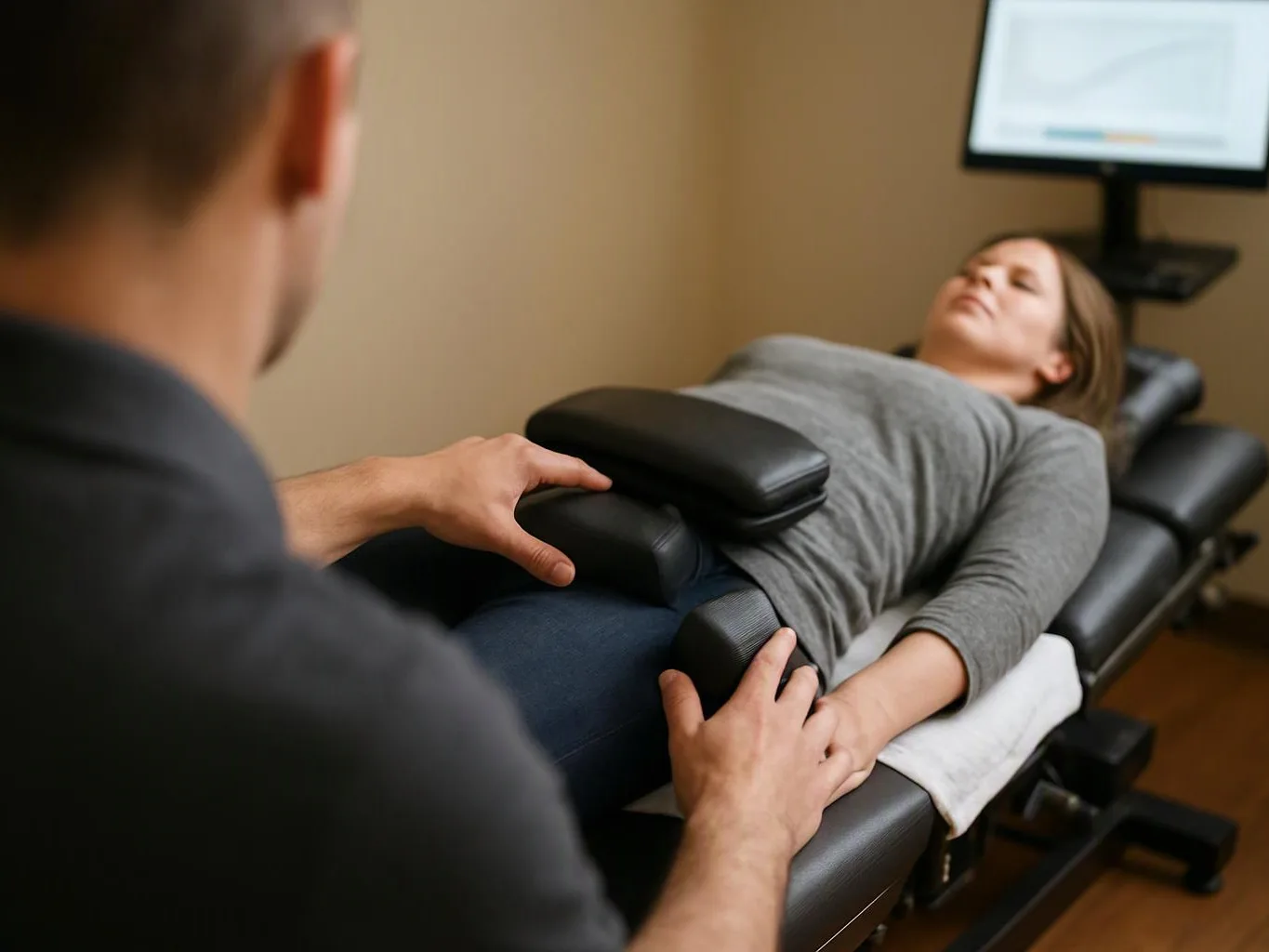
A man adjusts a woman on a padded treatment table in a clinic room

Service Overview

Workers' compensation injury treatment is chiropractic care that assesses and treats work-related pain, strain, and movement limits.

  • It differs from general wellness care because the exam and records focus on the work injury, treatment needs, and work status.
  • We provide this care for people in Druid Hills through our clinic's chiropractic services.

The scope this service is meant to handle

A worker in Druid Hills may seek care after back pain worsens during repeated lifting at work. We review the history, exam findings, treatment records, and work demands, then explain which documents may support the claim and which symptoms need medical referral.

How We Approach Work-Injury Care

Records that match the visit

The first decision is what the exam supports. We record the history, findings, treatment, and response so the notes match the care provided. This service is the wrong fit for a medical emergency or a condition that needs hospital care.

A plan explained before care

You receive clear treatment explanations before care begins. We discuss the exam findings, possible chiropractic methods, and what follow-up checks will look.

Care built around function

Work duties matter because lifting, sitting, standing, or repeated motion can affect symptoms. We consider those demands when discussing movement goals and work restrictions.

Process

How Work-Injury Chiropractic Care Moves Forward

1

Review the injury history

We complete a new patient intake and discuss the work event, symptoms, prior care, and daily limits.

2

Perform the health exam

We assess movement and related findings. X-rays may be considered if clinically indicated.

3

Explain the care plan

We provide a report of findings and explain the proposed treatment plan before care begins.

4

Record each treatment visit

Treatment records describe the care provided, relevant findings, and the patient's response.

5

Review progress and work needs

Follow-up checks support progress reports and discussion of work restrictions with the appropriate claim contacts.

What This Care Helps You Decide

A written care record gives the claim team a clearer view of treatment needs.

Treatment planning connects symptoms with safe movement goals and follow-up checks.

Work restriction notes can help explain which tasks increase pain or limit function.

Progress reports give you a structured way to discuss changes during care.

A consultation helps you understand the proposed approach before you commit to treatment.

What Work-Injury Chiropractic Care Includes

Here's what you get:

  • A new patient intake records the injury history, symptoms, and work demands.
  • A health history and exam assess movement, tenderness, and functional limits.
  • A personalized treatment plan explains the recommended chiropractic care.
  • Treatment records document visits, findings, care provided, and patient response.
  • Work restriction guidance describes tasks that may need review with the claim team.
  • Progress reports track changes and support discussion of the next care step.

Records Used in a Work-Injury Claim

Each record answers a different question about the injury and care.

Record typeWhat it describesWhy it matters
Diagnosis notesExam findings and reported symptomsShows the clinical basis for care
Treatment recordsCare provided and patient responseShows what happened during visits
Work restrictionsTasks or movements that need reviewConnects symptoms with job demands
Progress reportsChanges during follow-up careSupports the next treatment discussion

The Arrowhead Clinic - Lithia Springs Standard

  • Tailored Adjustments
  • Spinal Decompression
  • Integrated Therapies
  • Pain And Injury Care

Questions About Work-Injury Chiropractic Care

What should be checked before treatment is scheduled?

Claim details, health history, symptoms, and prior care should be checked before treatment is scheduled. The intake also identifies work demands and signs that need medical referral. We review these points during the consultation so the proposed care matches the patient's needs.

Who is a good fit for work-injury chiropractic care?

Workers with musculoskeletal pain, strain, or movement limits may fit this care after an exam. A medical emergency, severe neurological symptom, or condition needing hospital treatment requires another level of care. The health history and exam help determine whether chiropractic treatment is appropriate.

What happens at each stage of the treatment process?

The process starts with intake and an exam, then moves to findings, treatment planning, care records, and progress review. The main records include the health history, treatment notes, work restrictions, and progress reports. Each stage gives you information for the next care decision.

Which symptoms should receive urgent medical attention?

Severe weakness, loss of bladder or bowel control, major trauma, or rapidly worsening symptoms need urgent medical attention. These signs can point to a problem beyond routine chiropractic care. Seek emergency medical help first, then share relevant records with the clinic when appropriate.

How does a consultation help with claim questions?

A consultation gives you time to discuss the injury, records, treatment approach, and coverage questions before care. Free consultations are available. Bring claim information and prior treatment details when possible, so we can explain what the clinic can document and what needs confirmation.

Workers' Compensation Injury Treatment in Other Areas

Contact

Discuss Work-Injury Care in Druid Hills

During the first days after reaching out, you can ask about a free consultation, claim records, treatment options, and appointment details.

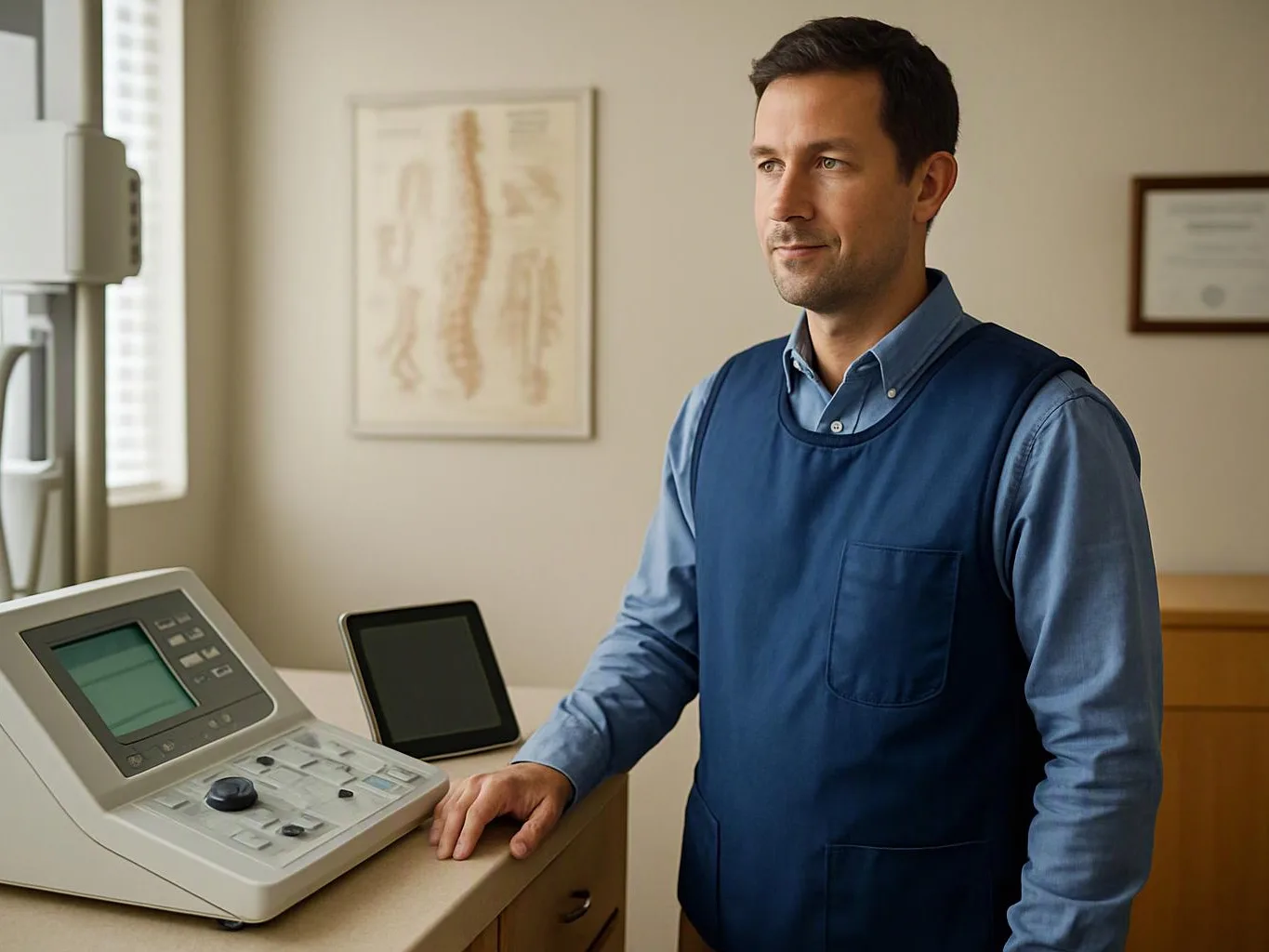
A man in a blue vest stands beside medical equipment in a clinic room

Workers' Compensation Injury Treatment in Other Areas

The health and wellness information on this website is for general informational purposes only and is not medical advice. It does not create a provider-patient relationship. Individual results vary.

(770) 501-7716