Skip to content

Workers' Compensation Injury Treatment in Atlanta, Georgia

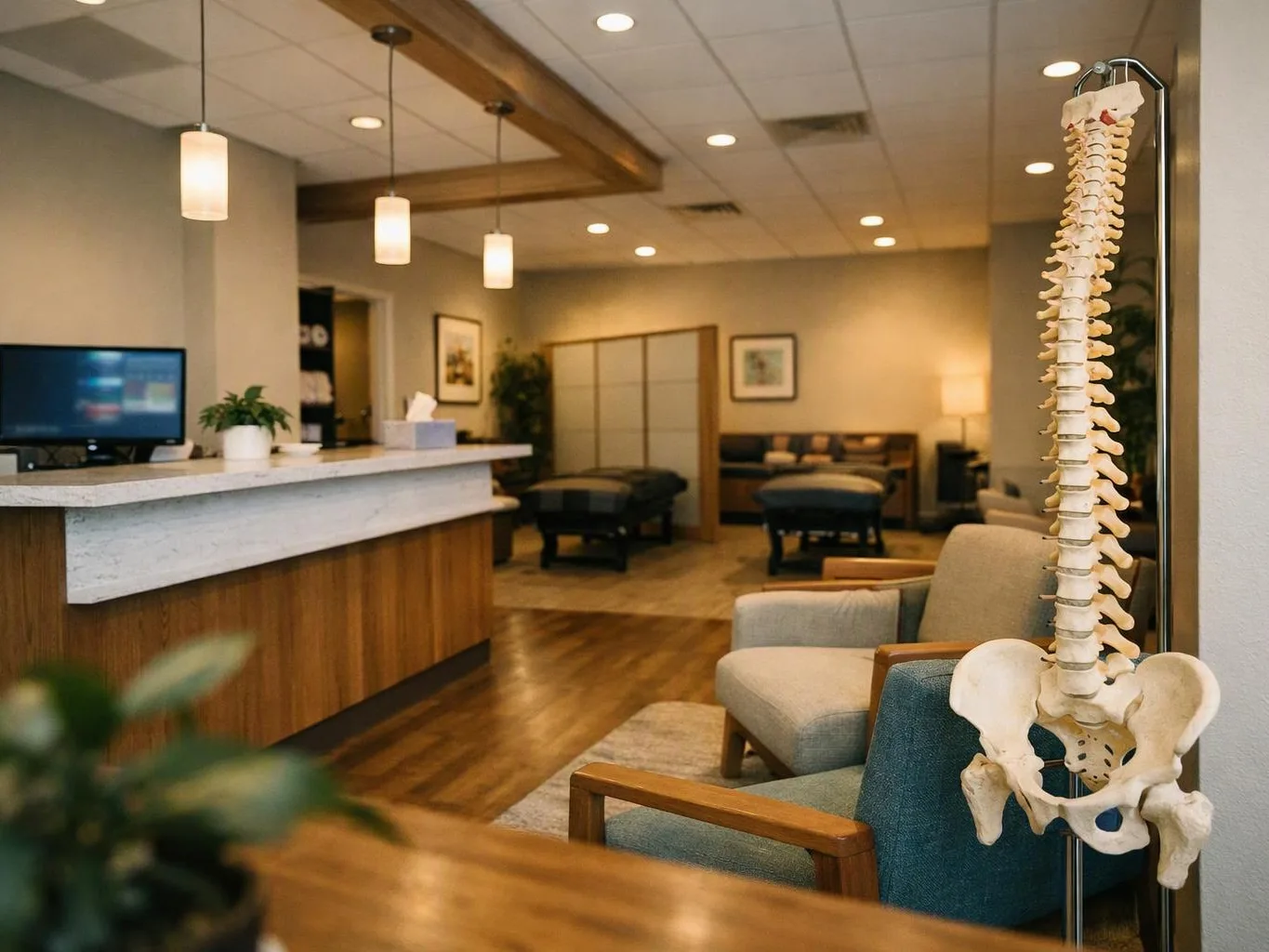
Physical examination starts a workplace injury evaluation in Atlanta. We review how the injury affects movement and daily work tasks.

Licensed & InsuredSame-Day ServiceUpfront, Transparent PricingServing 35 Communities

Quick Summary: Workplace injury care in Atlanta, Georgia

Our chiropractic team serves people seeking care in the Atlanta area and provides clear treatment explanations before care.

  • What we do: Arrowhead Clinic - Lithia Springs provides workers' compensation injury treatment for workplace-related pain and movement concerns in Atlanta, Georgia.
  • What is included: Key capabilities include injury history review, movement assessment, functional testing, chiropractic care, and personalized treatment planning.
  • What you get: The customer receives a clear assessment and treatment plan based on the workplace injury and current movement limits.

What happens during a workplace injury evaluation?

A workplace injury evaluation reviews the injury history, movement, and work-related limits. The findings guide the next care discussion.
Workers' compensation injury treatment for Atlanta workplace injuries

Workers' compensation injury treatment helps people address pain or reduced movement after a workplace injury. The visit focuses on what happened, what hurts now, and which tasks have become harder.

Customers need a clear decision about the next step. We review the injury history, assess movement, and use functional testing when it helps explain work-related limits. Our team then discusses care that fits the findings.

This service isn't a substitute for emergency medical care. Severe symptoms, major trauma, or signs of a medical emergency need urgent medical attention. For non-emergency chiropractic care, we explain the findings before treatment begins.

  • Bring any available injury details and a description of the work task that caused the problem.
  • Describe changes in walking, lifting, reaching, sitting, or other work movements.
  • Ask how the assessment findings relate to the proposed chiropractic care.
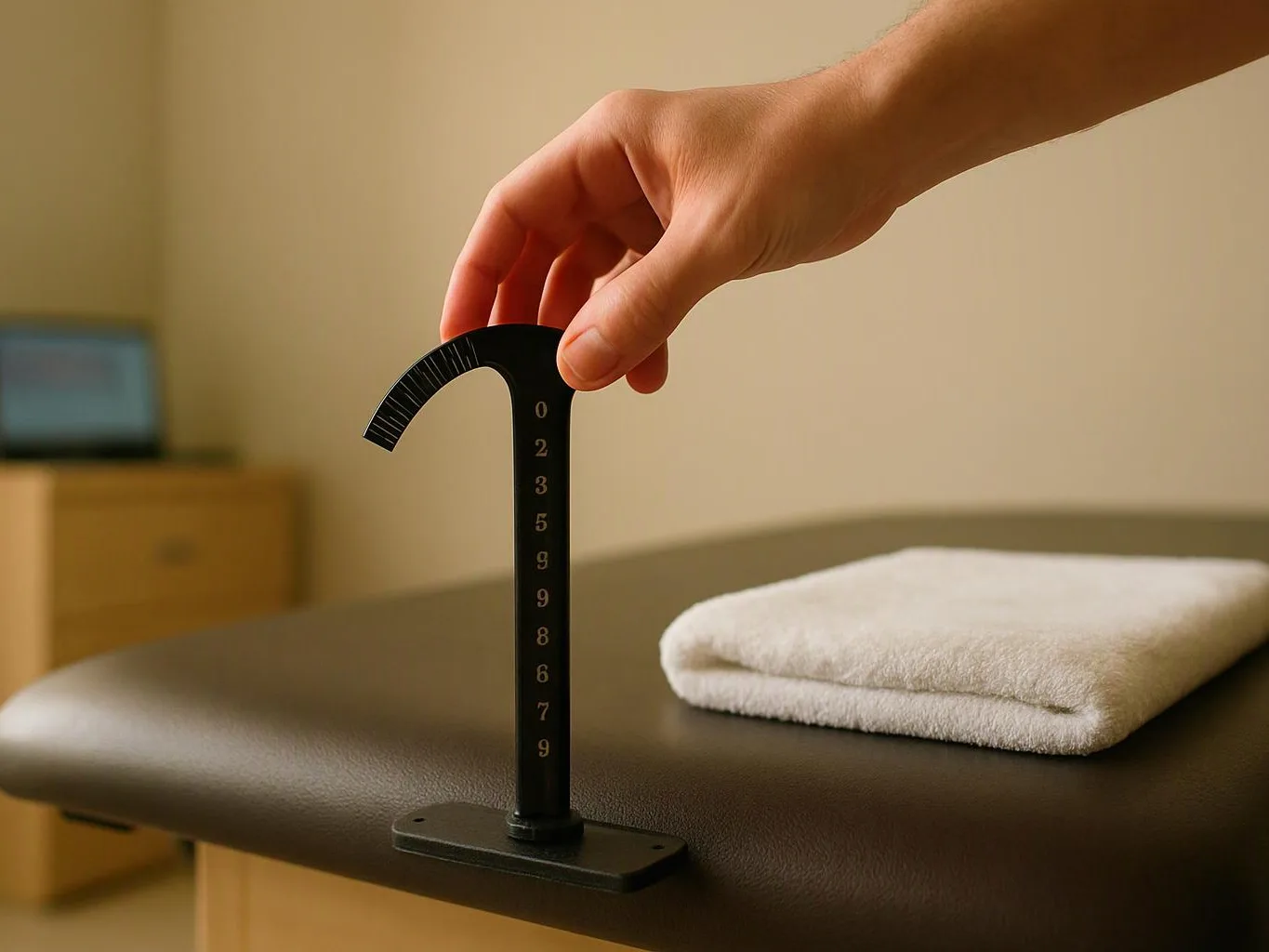
A hand adjusts a black measuring tool on a treatment table beside a folded white towel

Service Overview

Workers' compensation injury treatment is chiropractic care that assesses and treats problems linked to a workplace injury.

  • It focuses on the work injury, current function, and care plan, while general wellness visits focus on ongoing movement support.
  • We provide this care for people in Atlanta and the surrounding service area.

Why workplace injury patients choose this care

Assessment before treatment

Customers receive a review of the injury history, movement, and function before care is discussed. This service is the wrong fit for a medical emergency or an injury that needs hospital care first.

Personalized chiropractic care

Care plans respond to the reported injury and the movement limits found during the visit. Individual response differs, so we explain what the plan is meant to address.

Answers before you book

Our experienced local chiropractic care team explains treatment options and next steps before care begins.

Process

How we assess a workplace injury

1

Review the injury history

We ask what happened at work, when symptoms began, and which activities now feel limited.

2

Check movement patterns

We assess movement in the affected area and note pain, stiffness, or reduced range during relevant actions.

3

Perform functional testing

We use practical movement checks when they help connect symptoms with work tasks.

4

Explain the findings

We discuss what the assessment shows and answer questions before treatment starts.

5

Discuss the care plan

We outline personalized chiropractic care and explain how follow-up may support everyday movement.

What workplace injury care includes

Here's what you get:

  • We review the injury history and the symptoms that followed the workplace event.
  • We assess movement in the areas connected to the reported injury.
  • We use functional testing to understand how the condition affects daily activity.
  • We explain the findings before care begins.
  • We create a personalized chiropractic care plan based on the assessment.

What this injury evaluation helps you decide

A focused assessment connects the reported injury with current movement concerns.

Clear explanations help you understand why a treatment approach may fit your findings.

Functional testing gives the care discussion a practical link to work tasks.

A written care discussion can help you prepare questions about follow-up visits and insurance benefits.

Regular maintenance may support everyday movement after the active injury concerns settle.

Workplace injury evaluation components

These components answer different questions during a workplace injury assessment.

Evaluation componentWhat it checksWhy it matters
Injury historyWhat happened and when symptoms beganConnects the current concern with the workplace event
Movement assessmentHow the affected area movesShows stiffness, pain, or reduced movement
Functional testingHow work-related actions feelLinks symptoms with practical activity

The Arrowhead Clinic - Lithia Springs Standard

  • Tailored Adjustments
  • Spinal Decompression
  • Integrated Therapies
  • Pain And Injury Care

Questions about workplace injury evaluations

How can I tell whether this care fits my workplace injury?

Workplace injury care fits concerns that need chiropractic assessment after a work-related event. The injury history and current movement limits guide that decision. We also consider whether symptoms affect lifting, reaching, sitting, walking, or other tasks. Severe trauma or emergency symptoms require medical attention before chiropractic care.

Which part of the evaluation decides the care plan?

The combined injury history and movement findings guide the care plan. Functional testing adds useful detail when work tasks are part of the concern. Our team compares the reported symptoms with the assessment results, then explains which chiropractic options fit. Individual response differs, so plans are discussed before treatment.

When should I bring records to an appointment?

Medical records are useful when they describe the workplace event, earlier care, or current restrictions. Bring available records, claim details, and a list of symptoms to the appointment. We review the information with your history and movement findings. Missing records don't prevent you from asking about available care.

Why does work activity matter during the assessment?

Work activity matters because the same injury can affect people differently across tasks. Lifting, reaching, sitting, or repeated motion may change the movement findings. Describe the task that causes trouble and what changed after the injury. Our team uses those details to keep the care discussion tied to function.

What changes the cost of workplace injury care?

The assessment needs, treatment approach, and applicable insurance details affect the cost of care. We explain the appointment and available options before treatment begins. Free Consultations are available for questions about services and coverage. Ask about workers compensation acceptance and insurance benefits verification when scheduling.

Workers' Compensation Injury Treatment in Other Areas

Contact

Discuss workplace injury care in Atlanta

Get a clear assessment of your injury history, movement, and work-related limits.

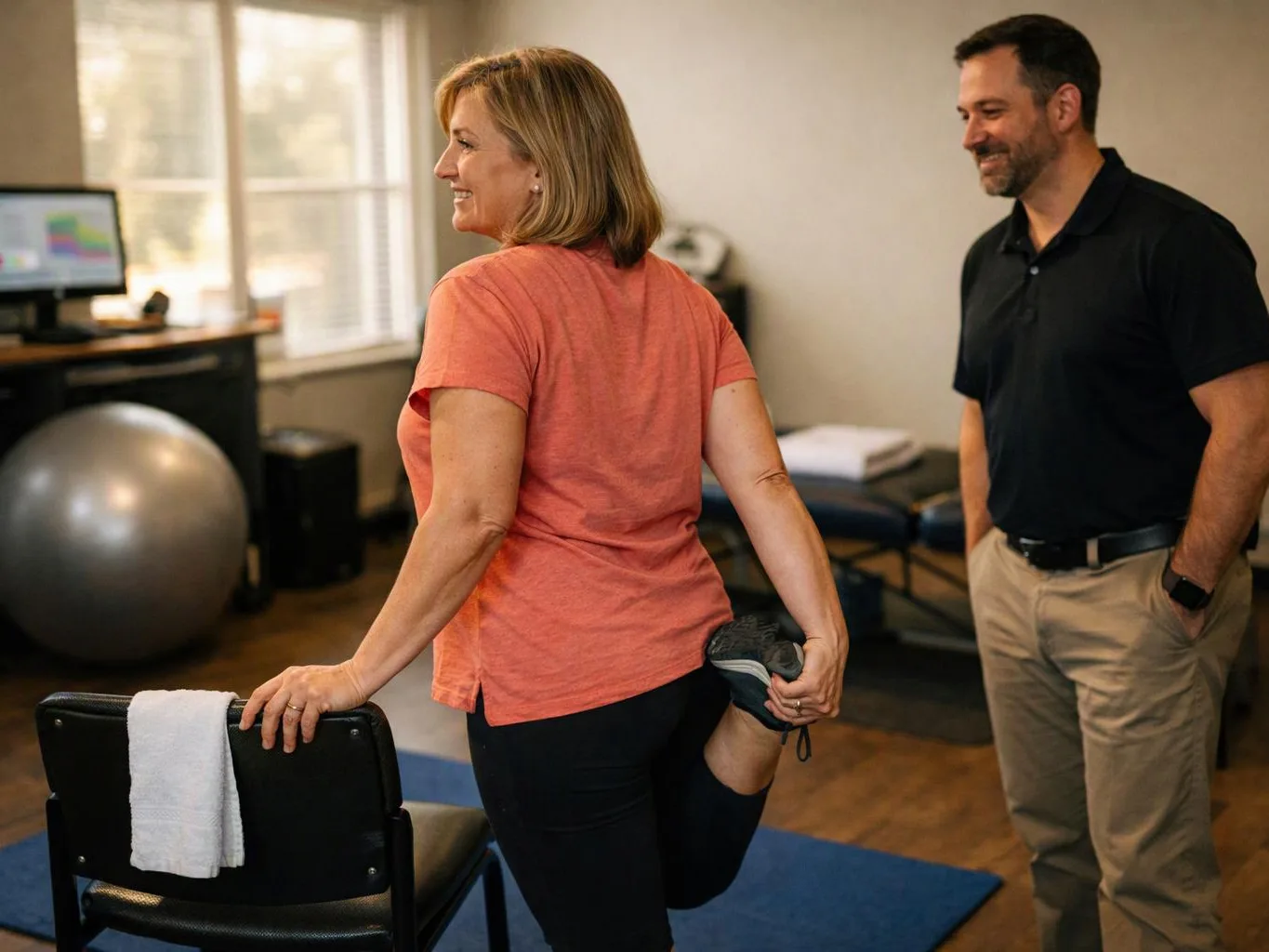
A woman stretches her leg by a chair while a man watches in a bright exercise room

ZIP Codes We Serve in Atlanta, Georgia

73 ZIP codes — show all
30301303023030330304303053030630307303083030930310303113031230313303143031530316303173031830320303213032430325303263032730328303313033230334303363033730338303393034230343303443034830349303533035430355303573035830361303633036430368303693037030371303743037530377303783038030384303853038830392303943039630398311063110731126311313113631139311503115631192311933119531196

Workers' Compensation Injury Treatment in Other Areas

The health and wellness information on this website is for general informational purposes only and is not medical advice. It does not create a provider-patient relationship. Individual results vary.

(770) 501-7716