Skip to content

Sports Injury Treatment in South Fulton, Georgia

Spinal adjustments help prevent missed movement patterns from slowing activity in South Fulton. We pair hands-on care with exercises that match your goals.

Licensed & InsuredSame-Day ServiceUpfront, Transparent PricingServing 35 Communities

Quick Summary: Sports Injury Care in South Fulton, Georgia

The practice provides chiropractic care, personalized treatment plans, and clear treatment explanations before care.

  • What we do: Arrowhead Clinic - Lithia Springs provides sports injury treatment in South Fulton, Georgia, with chiropractic care for activity-related pain and movement limits.
  • What is included: Spinal adjustments, manual therapy, rehabilitation exercises, and mobility drills support a structured return to activity.
  • What you get: The customer receives a personalized care plan with practical steps for improving movement during daily or athletic activity.

Why does pain return after sports activity, and when should I seek care?

Pain that returns after activity may reflect limited mobility, poor movement control, or an injury that needs assessment. Seek care when symptoms affect normal movement, training, or daily tasks.

Sports Injury Treatment for Active People in South Fulton

Sports injury treatment focuses on the problem that affects your activity, such as back pain, neck pain, shoulder pain, knee pain, or limited mobility. The goal is to understand what movement causes trouble and choose care that fits the finding.

This page serves athletes, recreational players, and active adults who want a clear plan after strain or an activity setback. We assess the concern before recommending care, because a treatment that fits one movement problem may not fit another.

A chiropractic visit isn't a substitute for urgent medical care after a serious injury. Severe symptoms, major trauma, or signs of a medical emergency need prompt medical evaluation.

  • Describe the activity that first caused the pain or stiffness.
  • Note which movements increase symptoms during practice, work, or daily life.
  • Bring relevant health information so the care plan reflects your needs.
  • Ask how exercises and follow-up checks fit the treatment plan.
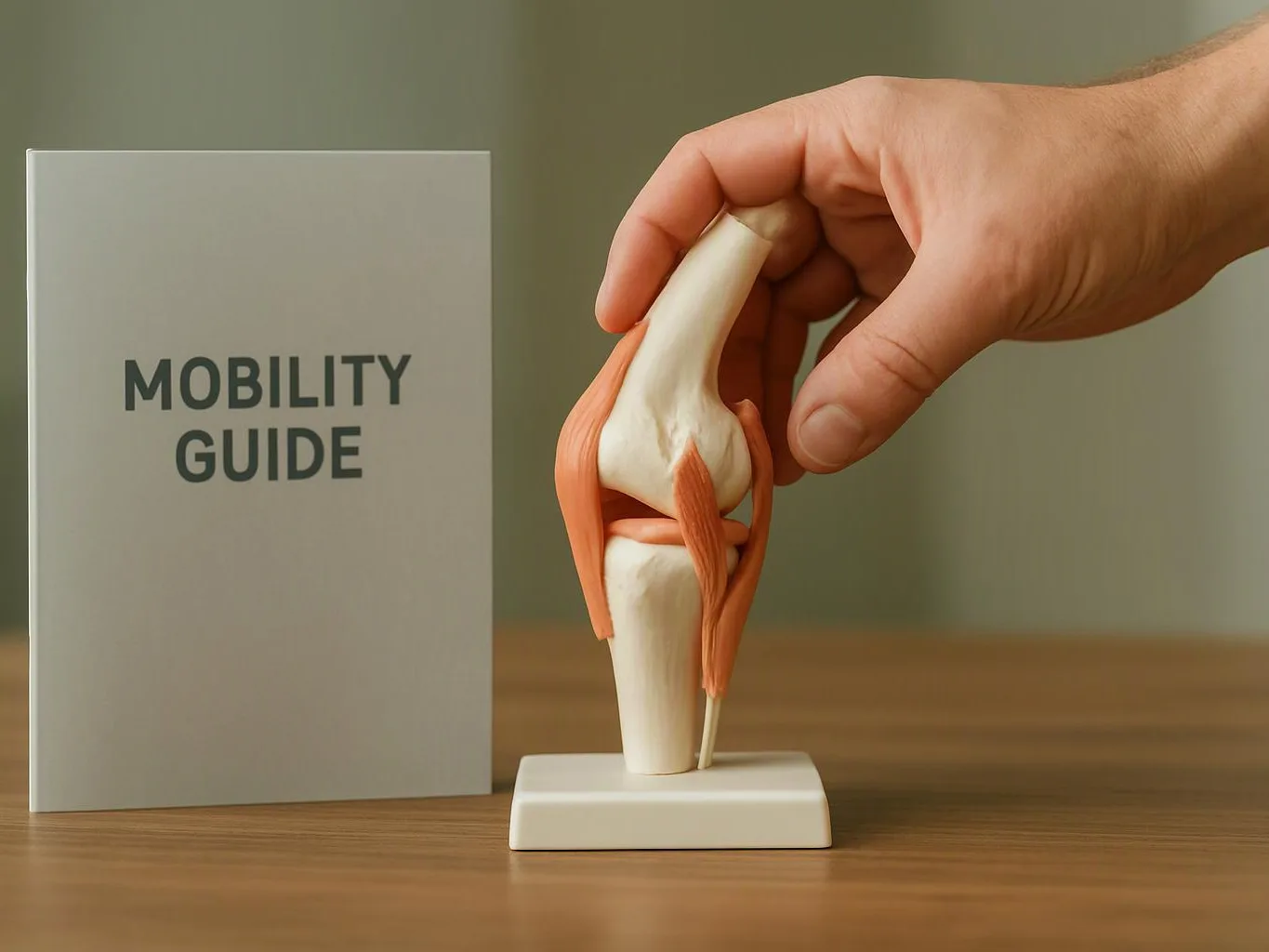
A hand holds a knee joint model beside a booklet labeled Mobility Guide on a wooden table

Service Overview

Sports injury treatment is a chiropractic service that addresses activity-related pain, stiffness, and movement limits through assessment and targeted care.

  • This care differs from general wellness visits because the plan focuses on a specific sports-related concern and a return to activity.
  • Arrowhead Clinic - Lithia Springs provides this chiropractic care for people in South Fulton.

What Sports Injury Care Includes

Here's what you get:

  • A new patient intake covers your health history, symptoms, and activity goals.
  • A health history and exam help identify movement limits and areas that need attention.
  • Spinal adjustments may address restricted joint motion when they fit the assessment.
  • Manual therapy focuses on soft tissue and movement areas linked to your concern.
  • Rehabilitation exercises build control and strength around the affected movement.
  • Mobility drills support easier movement during sport, work, and daily activity.

How We Approach Sports Injury Care

Treatment starts with movement goals

Your activity, symptoms, and movement limits shape the care discussion. We explain the plan before treatment, and personalized chiropractic care helps keep the approach tied to your needs.

Hands-on care meets active rehab

Manual therapy and chiropractic methods address the treatment side, while rehabilitation exercises and mobility drills give you active work to practice.

Know when another service fits

This service may not be the right first step for severe trauma, urgent medical symptoms, or a condition that needs hospital or medical evaluation.

Process

How Sports Injury Care Moves From Assessment To Action

1

Complete the new patient intake

Your health history, symptoms, activity, and goals give us context for the visit. Tell us what movement causes trouble and how the issue affects daily life.

2

Review movement and symptoms

We examine the concern and consider joint motion, soft tissue limits, and movement patterns. X-rays may be considered if clinically indicated.

3

Explain the care plan

We discuss the findings and explain which methods may fit, such as manual therapy, mobility drills, or rehabilitation exercises.

4

Apply the selected treatment

Care may include spinal adjustments when appropriate, along with hands-on treatment and guided exercises that match the assessment.

5

Check progress and adjust care

Follow-up checks help us review movement and symptoms. The plan can be discussed again as your activity needs change.

What Active Patients Gain From Care?

A focused assessment helps connect your symptoms with the movements that trigger them.

Manual therapy may help reduce soft tissue restriction around a painful or stiff area.

Rehabilitation exercises give you active steps to practice between visits.

Mobility drills support movement quality as you return to normal activity.

Clear treatment explanations help you understand why a method is part of your plan.

How Common Care Methods Differ

The table compares the main treatment approaches that may be discussed for activity-related movement concerns.

Care methodMain focusHow it may fit
Manual therapySoft tissue and movement restrictionMay support easier motion around the affected area
Rehabilitation exercisesStrength, control, and active movementGives the patient exercises to practice as directed
Mobility drillsControlled movement through stiff areasMay support movement during daily activity or sport

The Arrowhead Clinic - Lithia Springs Standard

  • Tailored Adjustments
  • Spinal Decompression
  • Integrated Therapies
  • Pain And Injury Care

Questions About Sports Injury Care

What treatments can help athletes return to activity?

Spinal adjustments can support joint movement, while manual therapy, rehabilitation exercises, and mobility drills address related limits. Individual response differs, so the plan may change after progress checks. Athletes should also seek medical evaluation for severe trauma or urgent symptoms.

What should be checked before treatment is scheduled?

A health history and movement exam should be completed before treatment is scheduled. The review covers your symptoms, activity demands, past injuries, and current limits. X-rays may be considered if clinically indicated. These details help determine whether chiropractic care fits or whether another medical evaluation is needed first.

Who is a good fit for sports injury care?

Active people with activity-related pain, stiffness, or movement limits may fit this service. A consultation reviews the concern before care begins. Severe trauma, urgent symptoms, or conditions needing hospital care require a different first step. Our team explains the treatment fit after reviewing your health history and movement.

What happens during a first visit for a sports injury?

A first visit starts with a new patient intake and a health history. The exam then reviews symptoms, movement, and activity goals. We explain the findings and discuss a personalized treatment plan. The visit may include discussion of manual therapy, exercises, mobility drills, or other chiropractic methods.

How do rehabilitation exercises fit the care plan?

Rehabilitation exercises give you active movements that support control and strength around the affected area. The exercises should match your symptoms and activity demands. We explain how each movement fits the plan. Progress checks help determine whether the exercises remain appropriate as your movement changes.

Which symptoms need medical evaluation before chiropractic care?

Severe trauma, urgent symptoms, or a major loss of function need medical evaluation before chiropractic care. A consultation can help discuss less urgent activity-related pain or stiffness. Our team reviews your history and symptoms, but chiropractic treatment isn't a substitute for emergency medical care.

Why can pain return after sports activity?

Pain can return when a movement limit, soft tissue restriction, or poor movement control remains. A review of the activity and symptoms helps identify what still affects motion. Manual therapy, mobility drills, or rehabilitation exercises may be discussed when they fit the assessment. Results vary between individuals.
Contact

Discuss Sports Injury Treatment In South Fulton

Start with a free consultation about your symptoms, activity goals, and the assessment needed to plan care.

A smiling doctor walks arm in arm with a man through a clinic hallway

Sports Injury Treatment in Other Areas

The health and wellness information on this website is for general informational purposes only and is not medical advice. It does not create a provider-patient relationship. Individual results vary.

(770) 501-7716