Skip to content

Scoliosis Treatment in Lithia Springs, Georgia

We provide personalized chiropractic care for spinal curves, posture concerns, and related discomfort. You'll get clear treatment explanations before care.

Licensed & InsuredSame-Day ServiceUpfront, Transparent PricingServing 35 Communities
Scoliosis Treatment helps people in Lithia Springs address spinal curve concerns through chiropractic care. We begin with your health history, exam, and symptoms before discussing the next step. Back pain, uneven posture, and muscle strain can affect daily movement. Our team reviews your needs and builds care around your condition.

What scoliosis care can change in daily movement

A clearer explanation of posture and movement findings

A care plan matched to your spinal curve concerns

Support for muscle balance and everyday movement

Follow-up decisions based on how your body responds

What Scoliosis Treatment Covers

Scoliosis Treatment is a chiropractic care plan that assesses spinal curvature, posture, movement, and related symptoms.
  • Chiropractic scoliosis care differs from spinal surgery because it focuses on non-surgical symptom management and movement support.
  • Care in Lithia Springs follows the same patient-focused assessment process used for each person's condition and treatment needs.
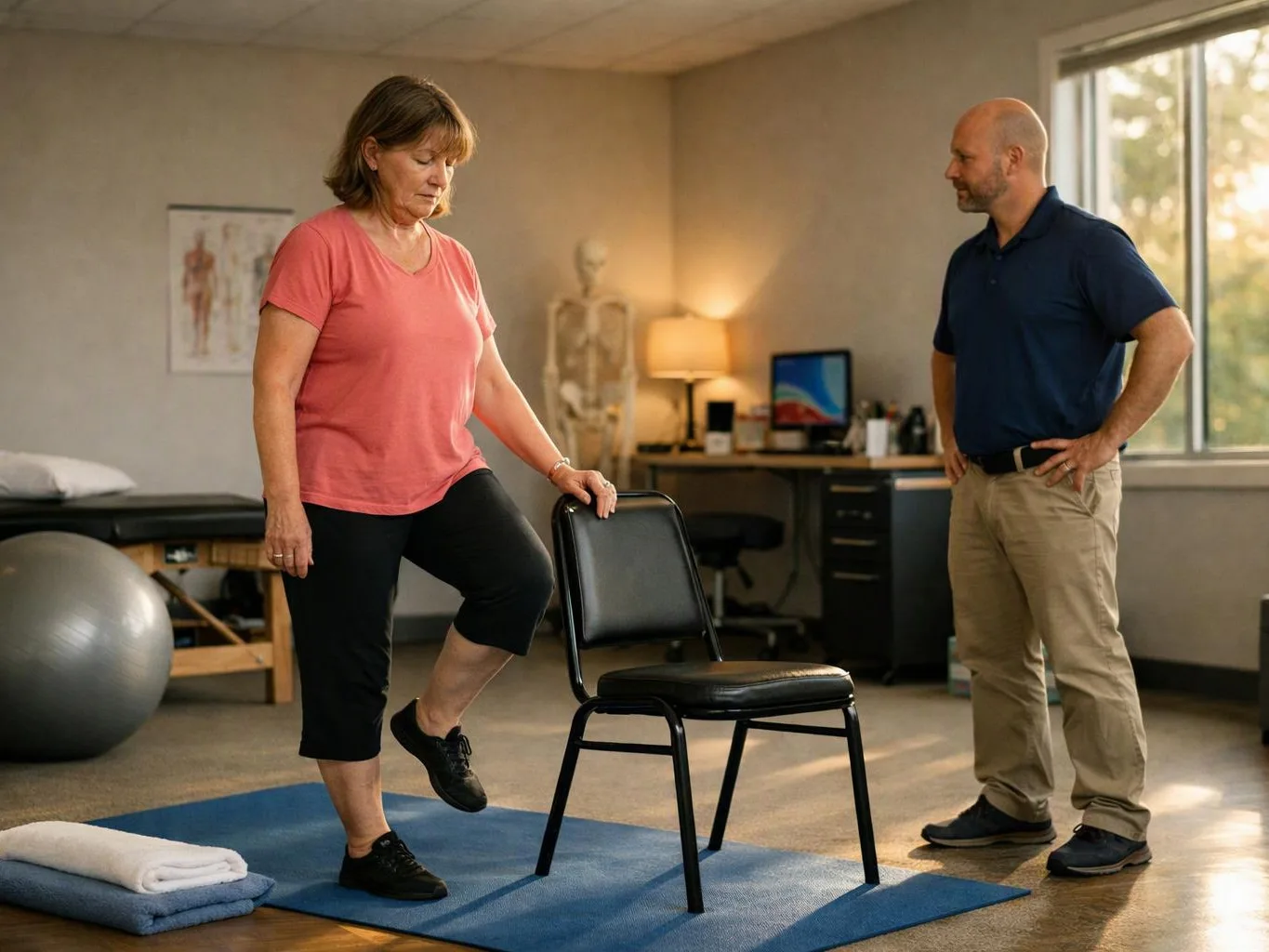
A woman balances on one leg beside a chair while a man watches in a therapy room
About

How chiropractic care addresses scoliosis concerns

Scoliosis care starts with a health history, physical exam, and review of posture and movement. Diagnostic X-rays may be used when clinically indicated. These steps help us separate a spinal curve concern from muscle strain, joint irritation, or another source of pain. Treatment may include adjustments tailored to your condition, therapeutic exercise, massage therapy, or posture care. Spinal decompression therapy applies only to appropriate back and neck conditions, so we don't treat every scoliosis case the same way. Risks often arise when care follows a fixed routine without checking response. We watch for worsening pain, new weakness, numbness, or changes in function, then reassess the plan. Individual response differs, and chiropractic care doesn't replace medical evaluation for serious or changing symptoms.

Process

Steps from scoliosis assessment to follow-up care

1

Health history and posture review

We discuss symptoms, past injuries, daily demands, and posture changes. This gives us useful context before hands-on care.

2

Movement exam and clinical checks

We assess spinal motion, muscle tension, balance, and related symptoms. Diagnostic X-rays may be considered when clinically indicated.

3

Personalized care planning

We explain the findings and set out suitable options, which may include tailored adjustments, exercise, massage therapy, or posture care.

4

Progress review and plan changes

We review how symptoms and movement respond. If warning signs appear, we adjust the plan or discuss further medical evaluation.

What to prepare before a scoliosis visit

Bring details that help us understand your symptoms, movement limits, and health history.

  • A list of current symptoms and when they began
  • Any available medical records or prior X-ray reports
  • A list of medicines and relevant health conditions
  • Notes about work, school, sport, or daily movement limits

The Arrowhead Clinic - Lithia Springs Standard

Tailored Adjustments

We tailor each adjustment to posture findings, symptoms, and the patient's specific scoliosis treatment needs.

Integrated Therapies

We add therapeutic exercise or massage therapy when those methods support movement and soft tissue comfort.

Specialized Services

We assess posture and scoliosis concerns, then discuss diagnostic X-rays when clinical findings make imaging appropriate.

Questions about scoliosis-focused chiropractic care

Who provides scoliosis care at this clinic?

Arrowhead Clinic - Lithia Springs provides chiropractic scoliosis care for individuals and families. Our team reviews posture, movement, symptoms, and health history before treatment. We explain the findings and available options before care begins. The plan may include tailored adjustments, therapeutic exercise, massage therapy, or other appropriate chiropractic services.

What happens during the first scoliosis appointment?

The first appointment includes a health history, posture review, movement exam, and discussion of symptoms. We may consider diagnostic X-rays when clinical findings support them. Bring prior records if available, but don't delay questions if you have none. We use the findings to explain whether chiropractic care fits your needs.

Can chiropractic care correct a spinal curve?

Chiropractic care doesn't promise to correct a spinal curve. It focuses on movement, posture, muscle tension, and related symptoms. Individual response differs, so we review progress and change care when needed. Medical evaluation remains important for a changing curve, severe symptoms, or new neurological signs.

What can worsen scoliosis-related discomfort?

Uneven movement demands, prolonged postures, and activities that trigger strain can worsen discomfort. We ask about work, school, sport, and daily habits during the assessment. New weakness, numbness, or sudden changes require medical attention. Our care plan may include posture guidance and therapeutic exercise when appropriate.

Can scoliosis care include spinal decompression?

Spinal decompression may suit some back and neck conditions, but it isn't appropriate for every scoliosis case. We assess symptoms and clinical findings before discussing it. A care plan may also include adjustments, exercise, or massage therapy. We explain why a method fits before using it.

Should children with scoliosis see a chiropractor?

Children need an age-appropriate assessment before chiropractic care begins. We review the child's history, posture, symptoms, and any available records. Chiropractic care may support movement and comfort, but it doesn't replace pediatric or orthopedic evaluation when the curve changes or symptoms raise concern.

What changes the cost of scoliosis care?

The care plan, needed assessments, imaging, and selected therapies influence the cost. Insurance benefits and accepted coverage can also affect your responsibility. Ask us to review current pricing and coverage details before booking. We provide clear treatment explanations before care, and we offer free consultations.

Key Points About Scoliosis Treatment

  • A visible curve needs assessment, not assumption.
  • Diagnostic X-rays may help when clinically indicated.
  • Treatment choices should match posture and movement findings.
  • New weakness or numbness needs medical attention.
  • Progress reviews help identify a poor treatment fit.
Contact

Ask about scoliosis care in Lithia Springs

Get a clear care plan for spinal curve concerns and related movement problems. Arrowhead Clinic - Lithia Springs can discuss appointments, treatment options, hours, insurance, and what to expect.

A smiling man stands in a treatment room holding a folder labeled “WELLNESS” and a pen
Scenarios

When Customers Call Us About Scoliosis Treatment

1

Uneven Posture During Daily Activity

A shoulder or hip may look higher on one side, or your back may tire during routine movement. The key question is whether the pattern reflects spinal alignment, muscle strain, or another concern. Bring notes about symptoms and prior imaging, then schedule an assessment so we can review posture, movement, and suitable care.

2

Recurring Back Tightness After Sports

Sports activity can make muscle tightness more noticeable when spinal movement is uneven. We need to know which motions trigger symptoms and whether pain, numbness, or weakness also appears. Share those details during the visit, and we'll assess movement before discussing adjustments, exercise, or other supportive care.

3

Parent Seeking Clear Treatment Guidance

A parent may notice a changing posture or a child who avoids certain movements. A visible curve needs careful assessment, and chiropractic care should match the child's condition and needs. Bring prior records if available, ask questions during the consultation, and request clear next steps before treatment begins.


Our Other Services

Whiplash TreatmentWhiplash can cause neck stiffness, headaches, and shoulder discomfort after a sudden impact. Treatment may include cervical mobility work, soft-tissue care, and gradual exercises that support safer neck movement.
Chiropractic AdjustmentA chiropractic adjustment can help restore movement when stiff joints limit daily activities. We use hands-on spinal manipulation to address restricted areas and support easier bending, turning, and walking.
Spinal Decompression TherapyLeg or back symptoms may make sitting, standing, and sleeping difficult. Spinal decompression therapy uses controlled traction to reduce pressure around spinal discs and support more comfortable movement.
Therapeutic ExerciseStrength and mobility work can help you move with greater control after pain or injury. Therapeutic exercise may include core stabilization, stretching, and guided movement for safer daily activities.
Massage TherapyTight muscles can make normal movement uncomfortable and leave sore areas feeling tense. Massage therapy uses focused soft-tissue work to loosen muscle tension around the back, shoulders, and neck.
Back Pain TreatmentBack pain can interfere with lifting, sitting, and getting comfortable at night. Care may address lumbar joints, muscle strain, and limited flexibility with adjustments and targeted mobility work.

The health and wellness information on this website is for general informational purposes only and is not medical advice. It does not create a provider-patient relationship. Always consult a qualified licensed provider in Lithia Springs, Georgia, United States about your specific condition before making care decisions. Individual results vary.

(770) 501-7716