Skip to content

Scoliosis Treatment in Hapeville, Georgia

Mobility limits can improve with chiropractic care in Hapeville when scoliosis symptoms affect daily movement. We assess your needs and explain the next step.

Licensed & InsuredSame-Day ServiceUpfront, Transparent PricingServing 35 Communities

Quick Summary: Scoliosis Care in Hapeville, Georgia

Care includes a health history, exam, treatment explanation, and personalized plan for the local service area.

  • What we do: Arrowhead Clinic - Lithia Springs provides Scoliosis Treatment for people in Hapeville, Georgia, with chiropractic assessment and personalized care planning.
  • What is included: Health history review, posture assessment, chiropractic adjustments, soft tissue therapy, and progress checks when clinically appropriate.
  • What you get: The goal is a clear care decision for scoliosis-related discomfort, posture concerns, and movement limits.

Can chiropractic care help manage scoliosis symptoms?

Yes, chiropractic care may help manage some scoliosis-related symptoms, such as back discomfort, muscle tension, and reduced movement. Results vary, and care does not change every spinal curve. Our team assesses your needs, explains suitable options, and identifies when another type of medical care may be needed.
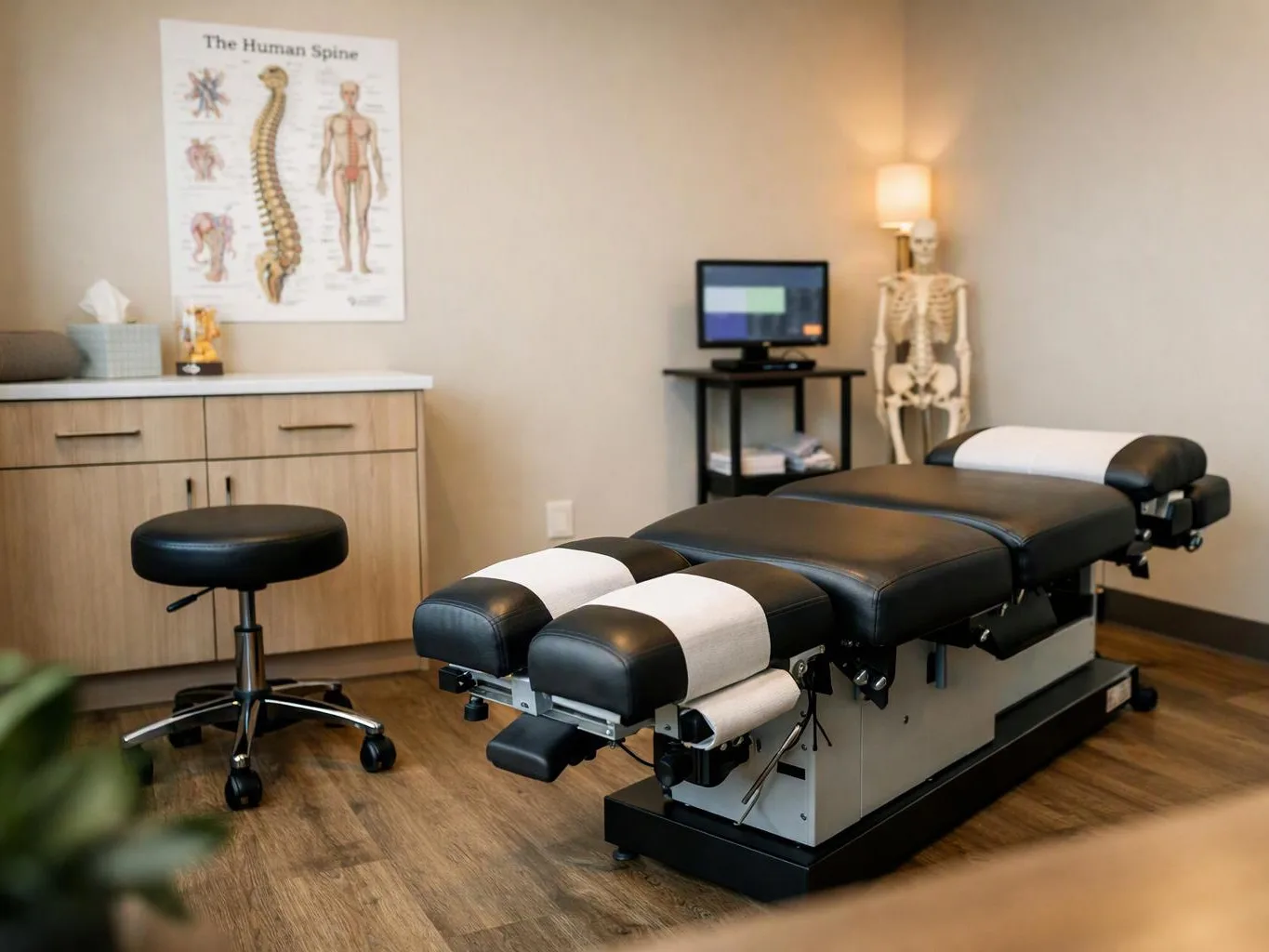
Scoliosis Treatment for Hapeville Mobility Concerns

Scoliosis treatment focuses on the symptoms that affect daily movement, comfort, and posture. The work may include a new patient intake, health history, physical exam, and a report of findings.

The main decision is whether chiropractic care fits your symptoms and goals. We may discuss diversified technique, soft tissue therapy, or other methods after reviewing your condition. X-rays are considered only when clinically indicated.

This page is for people in Hapeville who want a focused discussion about scoliosis-related concerns. It differs from a general back pain visit because the care plan considers spinal curvature, postural imbalance, and how each affects movement.

  • Bring a list of current symptoms and the movements that make them worse.
  • Share relevant health history, prior imaging, and current treatment details.
  • Ask how the proposed care plan addresses back discomfort and muscle tension.
  • Confirm what follow-up checks will measure during care.
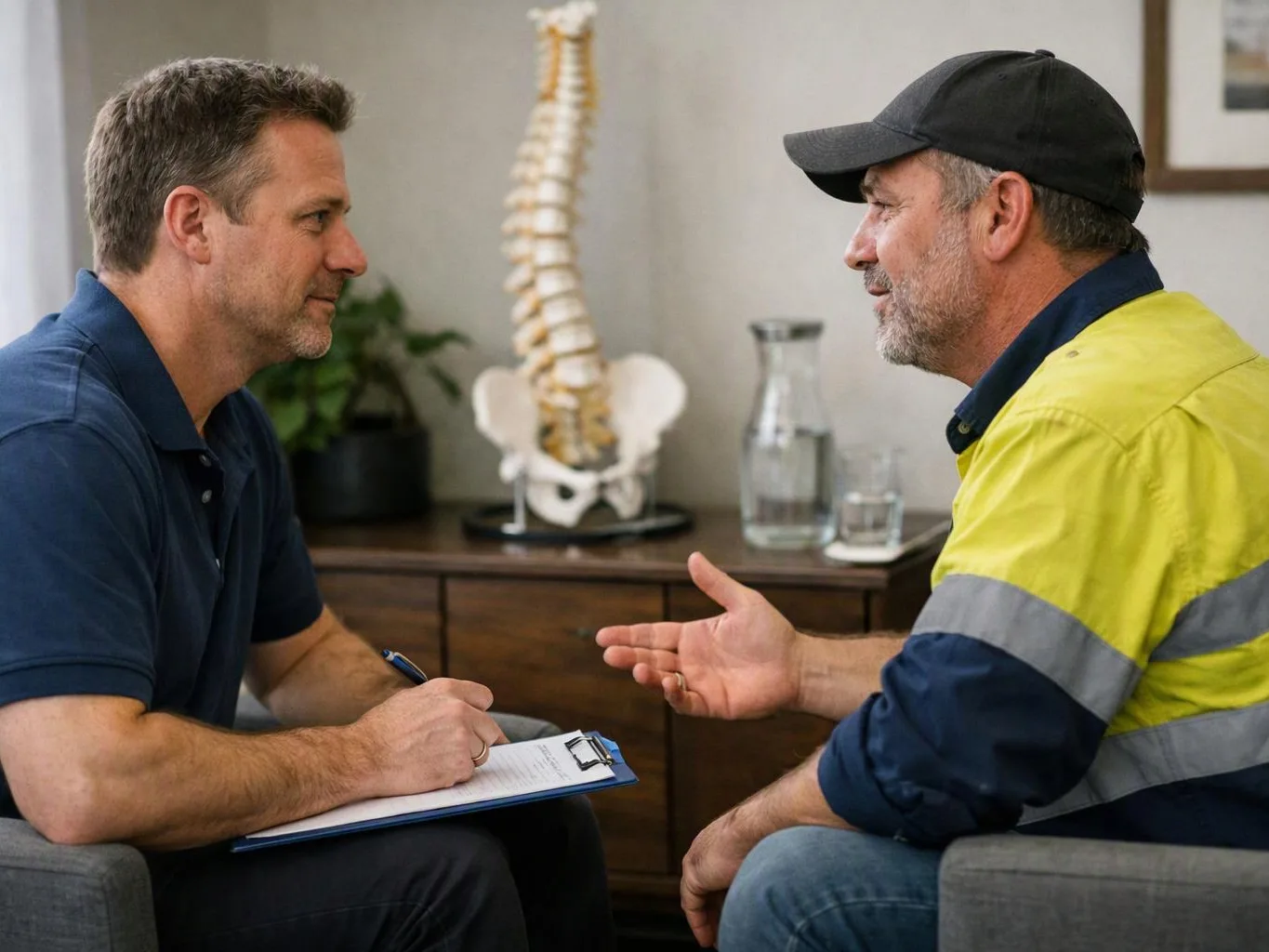
Two men sit facing each other in a room, one taking notes while the other gestures during a conversation

Service Overview

Scoliosis treatment is chiropractic care that addresses symptoms linked to spinal curvature, muscle tension, posture, and movement.

  • Chiropractic care focuses on joint motion and symptom support, while medical treatment may address conditions that need specialist care.
  • We provide this care for people seeking a chiropractor in Hapeville.

What You Get From a Focused Scoliosis Visit

A plan based on your movement

Your assessment considers posture, joint motion, muscle tension, and symptom triggers. We explain the plan before care begins. This service is the wrong fit for symptoms that need urgent medical evaluation or specialist management.

Plain answers before treatment

Clear treatment explanations help you understand why a method is being considered. You can ask about diversified technique, soft tissue therapy, and follow-up checks before deciding.

Care that stays symptom-focused

The goal is symptom support and better daily movement, not a promise to straighten every spinal curve. Individual response differs, so we review progress as care continues.

Process

How We Plan Scoliosis Care Step by Step

1

Review your health history

The new patient intake records your symptoms, past care, health history, and movement goals.

2

Assess posture and movement

The exam looks at posture, joint motion, muscle tension, and movements linked to discomfort. X-rays are used only when clinically indicated.

3

Explain the findings

The report of findings connects the exam results with your concerns and explains suitable care options.

4

Set the treatment plan

We create a personalized plan that may include adjustments, soft tissue therapy, or other appropriate chiropractic methods.

5

Review progress

A progress re-examination helps us discuss your response to care and decide whether the plan should continue or change.

What This Care May Change for Daily Movement

A focused exam helps connect back discomfort with posture and movement concerns.

Treatment explanations give you a better basis for deciding whether chiropractic care fits.

Soft tissue work may help ease muscle tension linked to altered movement patterns.

Progress re-examination helps us review how your symptoms respond to care.

Regular maintenance may support everyday movement after the first concern is addressed.

What Scoliosis Care Includes for Your Visit

Here's what you get:

  • A new patient intake records your symptoms, health history, and care goals.
  • A posture and movement exam helps us assess how symptoms affect daily activity.
  • A report of findings explains what we observed and what it may mean.
  • A personalized treatment plan outlines suitable chiropractic methods and follow-up needs.
  • Chiropractic adjustments may address restricted joint motion when clinically appropriate.
  • Soft tissue therapy may support muscles affected by tension or uneven load.

Comparing Care Options for Scoliosis Symptoms

This table separates the main purpose of common care discussions without promising a specific result.

Care focusWhat it addressesWhen it may be discussed
Chiropractic careJoint motion, posture, muscle tension, and related discomfortWhen an exam supports a chiropractic plan
Medical evaluationSymptoms that may need diagnosis or management beyond chiropractic careWhen the history or exam raises a medical concern
Physical therapyMovement training, strength, and activity supportWhen exercise-based rehabilitation fits the care goal

The Arrowhead Clinic - Lithia Springs Standard

  • Tailored Adjustments
  • Spinal Decompression
  • Integrated Therapies
  • Pain And Injury Care

Questions About Scoliosis Care

What happens during a first visit for scoliosis symptoms?

A first visit includes a health history, symptom review, physical exam, and treatment discussion. The intake records prior care and your daily movement concerns. The exam may review posture and joint motion, while X-rays are considered only when clinically indicated. You then receive an explanation of the findings and possible next steps.

Which part of the visit decides the care scope?

The physical exam decides the care scope by showing how posture, joint motion, and muscle tension relate to your symptoms. Health history adds context about prior injuries and treatment. Those findings guide the plan, and we explain its limits before care begins.

How does a visit move from the first call to the last step?

The visit moves from consultation to intake, exam, findings, treatment planning, and progress review. The intake records your concerns and history. The exam guides the report of findings, and the plan identifies suitable methods. A later re-examination reviews your response and supports the next care decision.

What should I bring to a scoliosis consultation?

Relevant health records, imaging reports, and a current symptom list help us understand your concerns. Write down movements that increase discomfort and any care you have already tried. Our team uses that information with the intake and exam, so the treatment discussion stays focused on your needs.

Which method may address muscle tension?

Soft tissue therapy may address muscle tension linked to altered posture or movement. Diversified technique may be discussed when joint motion is part of the concern. The exam determines which methods fit, and individual response differs. We explain each option before including it in a personalized plan.

When is another type of care more suitable?

Medical evaluation is more suitable when symptoms suggest a problem outside routine chiropractic care. Severe or changing symptoms need prompt medical attention. We review your history and exam findings, explain whether chiropractic care fits, and discuss when another provider should guide the next step.
Contact

Discuss Scoliosis Care in Hapeville

Start with a free consultation about your symptoms, health history, and movement goals.

A quiet exam room shows a chiropractic table, skeleton model, spine poster, and a stool beside cabinets and a lamp

The health and wellness information on this website is for general informational purposes only and is not medical advice. It does not create a provider-patient relationship. Individual results vary.

(770) 501-7716