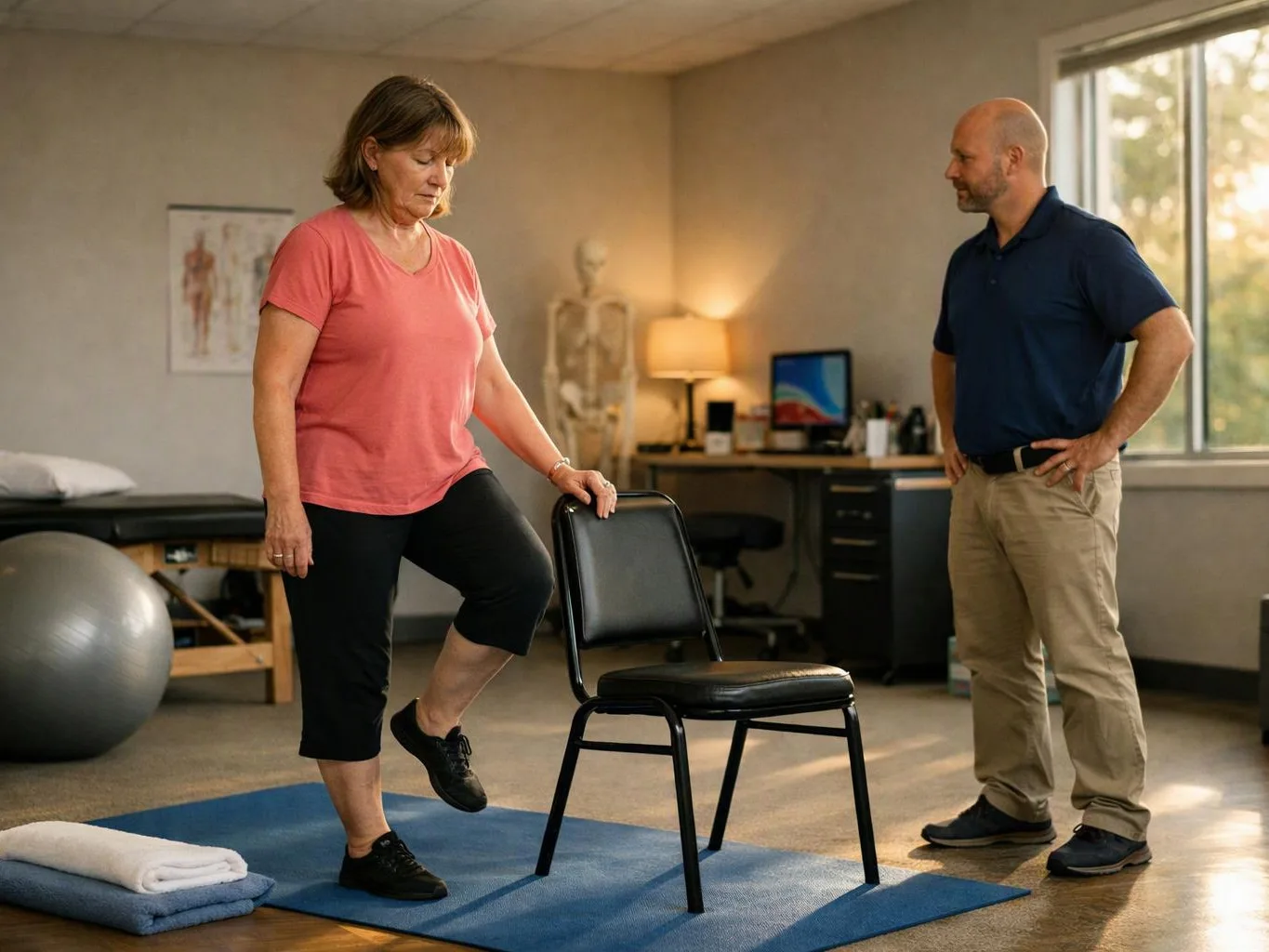
Spinal Decompression Therapy: How It Works and What to Ask
Spinal decompression therapy uses controlled, computer-assisted or manual traction to reduce pressure around affected spinal structures and support movement; Arrowhead Clinic - Lithia Springs evaluates whether this approach fits your symptoms, medical history, and treatment goals.
Request an EstimateHow Does Spinal Decompression Therapy Work?
Spinal decompression therapy applies controlled traction to change loading through the spine and may reduce pressure affecting discs, joints, or spinal nerves.
Spinal traction gently changes how force moves through selected vertebrae. This approach may help reduce disc pressure around an intervertebral disc and support comfortable movement.
Computer-assisted spinal decompression and manual spinal traction use different methods to apply traction force. Our team considers the spinal segment involved, your symptoms, and your response to care when deciding whether this treatment fits.
What Happens During a Spinal Decompression Session?
A spinal decompression session begins with our assessment and continues with positioning, controlled traction, and symptom monitoring during the treatment. The process is adjusted to your condition and treatment goals.
Each session gives our team information about how your body responds to traction. That information helps guide the next part of your treatment plan.
When Might Spinal Decompression and Herniated Disc Treatment Be Used Together?
Spinal decompression and herniated disc treatment may work together when disc-related symptoms require both pressure-focused care and a broader plan for movement and function.
A disc herniation can affect nearby tissues and may contribute to back pain, neck pain, or radiating pain. Our team uses conservative care to address the full pattern of symptoms instead of focusing only on one finding.
Our team reviews symptom changes and functional goals throughout care. We adjust the plan when the clinical picture changes.
How Do Spinal Decompression and Herniated Disc Treatment Work Together?
Spinal decompression addresses mechanical loading while herniated disc treatment organizes assessment, symptom management, and progress checks around the disc condition.
The two approaches can support one treatment plan when the evaluation links symptoms to disc irritation or related nerve compression. Our team uses symptom response and functional changes to guide care progression.
Our treatment recommendations depend on the findings from your clinical evaluation. We explain the purpose of each service before adding it to your care plan.
Can Spinal Decompression Help With Sciatica or a Pinched Nerve?
Yes, spinal decompression may help some people with sciatica or pinched-nerve symptoms when spinal pressure contributes to the irritation, but suitability depends on the evaluation.
Sciatica involves symptoms that follow the path of the sciatic nerve. A pinched nerve can also cause nerve irritation, tingling, weakness, or radiating symptoms.
Our team checks the symptom pattern and related findings before recommending decompression. We also monitor whether symptoms and movement change as care continues.
Is Spinal Decompression Therapy Effective for Everyone?
No, spinal decompression therapy is not appropriate for every condition, so our team evaluates the suspected cause of symptoms, relevant history, and response to care before recommending it.
Treatment suitability depends on factors such as the symptom cause, the spinal area involved, medical history, and current function. Similar symptoms can come from different conditions, so a clinical assessment matters.
We use treatment response to guide care progression. If the response does not match the goal, our team reviews the plan and considers other conservative care options.
What Should You Ask Before Starting Spinal Decompression Therapy?
Before starting spinal decompression therapy, ask how the treatment relates to your symptoms, what the evaluation will assess, and how progress will be monitored.
These questions help you understand why a treatment is being recommended. Our team answers them during the evaluation and explains how each service fits your care plan.
How We Evaluate Whether Spinal Decompression Fits Your Care Plan
Arrowhead Clinic - Lithia Springs reviews your history, symptom pattern, and physical findings to determine whether spinal decompression belongs in your individualized care plan.
We begin with your patient history and ask how symptoms affect movement and daily activities. Our physical examination adds information about motion, irritation, and the spinal area involved.
Our team then connects the findings to your treatment goals. If decompression is appropriate, we include it in a broader plan and use symptom monitoring to guide care.
To discuss whether this approach fits your symptoms, contact Arrowhead Clinic - Lithia Springs through our Spinal Decompression Therapy service information.
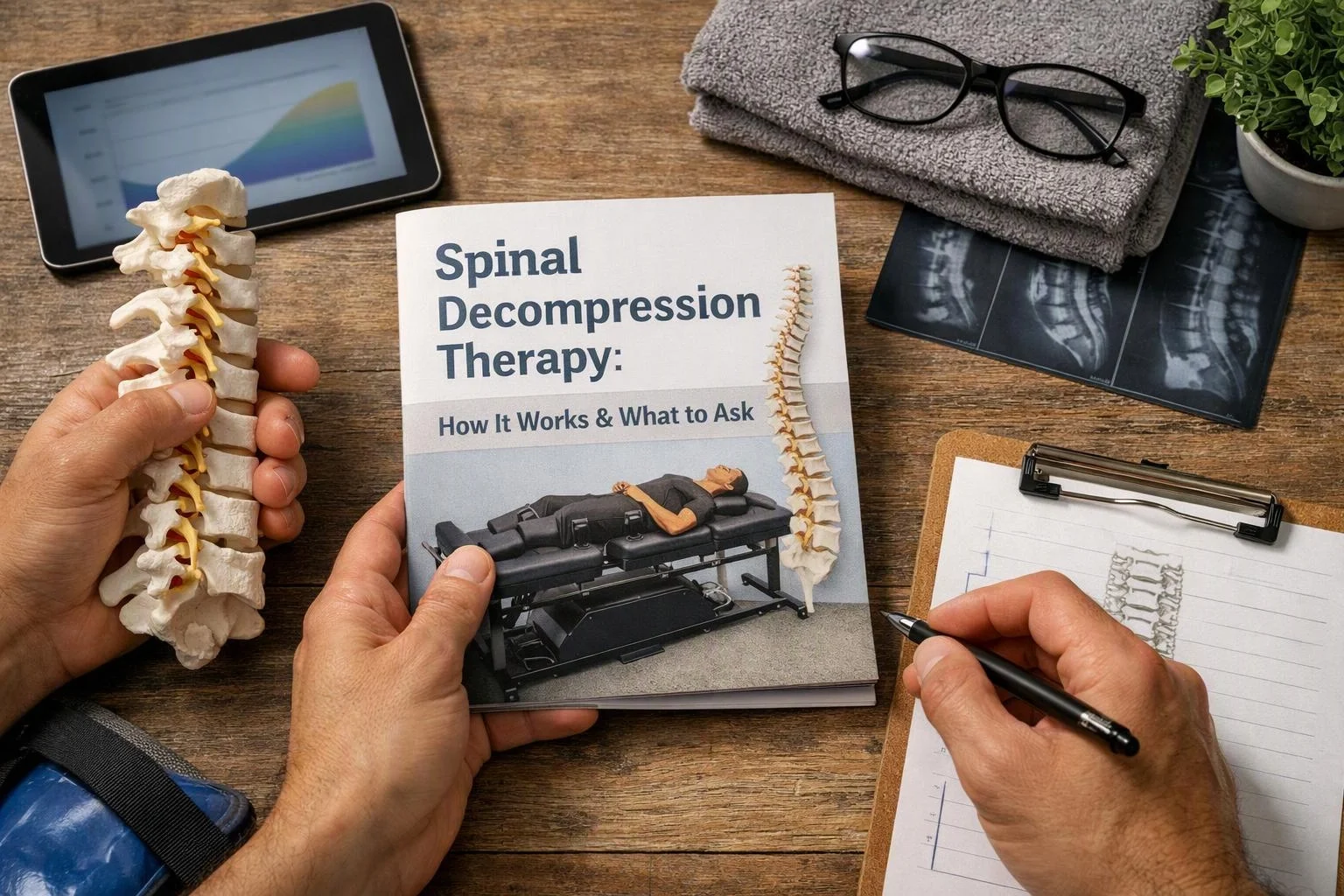
Questions About Spinal Decompression Therapy
What conditions may spinal decompression therapy address?
Spinal decompression therapy may address symptoms linked to disc pressure, nerve irritation, sciatica, or related movement limits when our clinical assessment supports its use.
What should I tell the clinic before spinal decompression therapy?
Tell Arrowhead Clinic - Lithia Springs about your symptom pattern, medical history, prior care, movement limits, and any changes in pain or nerve symptoms.
Can spinal decompression be part of a broader sciatica treatment plan?
Yes, spinal decompression can be part of a broader sciatica treatment plan when the evaluation shows that spinal pressure may contribute to sciatic nerve irritation.
How is progress assessed during spinal decompression care?
Progress is assessed through symptom monitoring, movement changes, functional goals, and your response to the treatment plan.
Spinal decompression therapy works best as part of a decision-based care plan that matches the suspected cause of symptoms and your treatment goals. Arrowhead Clinic - Lithia Springs provides Free Consultations to discuss whether this approach fits your needs.
Related Resources
Spinal Decompression Therapy Preparation Checklist: Before Your First Session
Brand vs BrandSpinal Decompression Therapy Providers Worth Comparing in Lithia Springs (2026)
Brand vs BrandArrowhead Clinic - Lithia Springs vs Local Spinal Decompression Therapy Alternatives in Lithia Springs: Side-by-Side Comparison
Compared ToChiropractic Insurance vs. Self-Pay: What to Confirm Before Booking