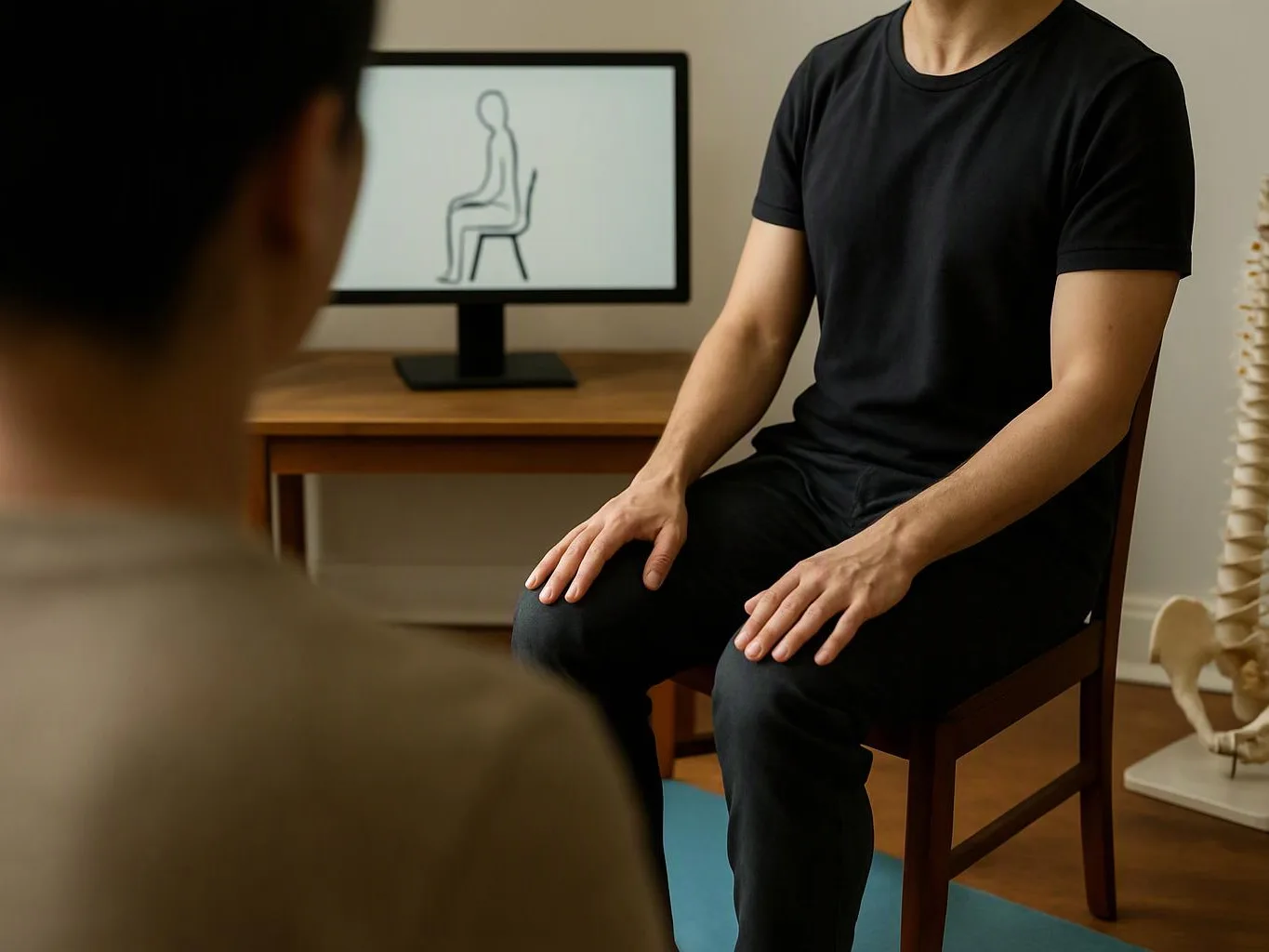
Spinal Decompression Therapy Preparation Checklist: Before Your First Session
Spinal decompression therapy preparation starts with reviewing your health history, bringing relevant records, wearing comfortable clothing, sharing medications and symptoms, and asking questions about the session; Arrowhead Clinic - Lithia Springs uses this information to help plan your care.
Request an EstimateWhat Should You Know Before Spinal Decompression Therapy?
Spinal decompression therapy preparation begins with understanding your symptoms, treatment goals, health history, and the information our team needs before your first session.
Decompression therapy is a form of conservative spine care that may be discussed for concerns such as back pain, neck pain, a herniated disc, or sciatica. Our team reviews your health information and goals before we decide whether this approach fits your care plan.
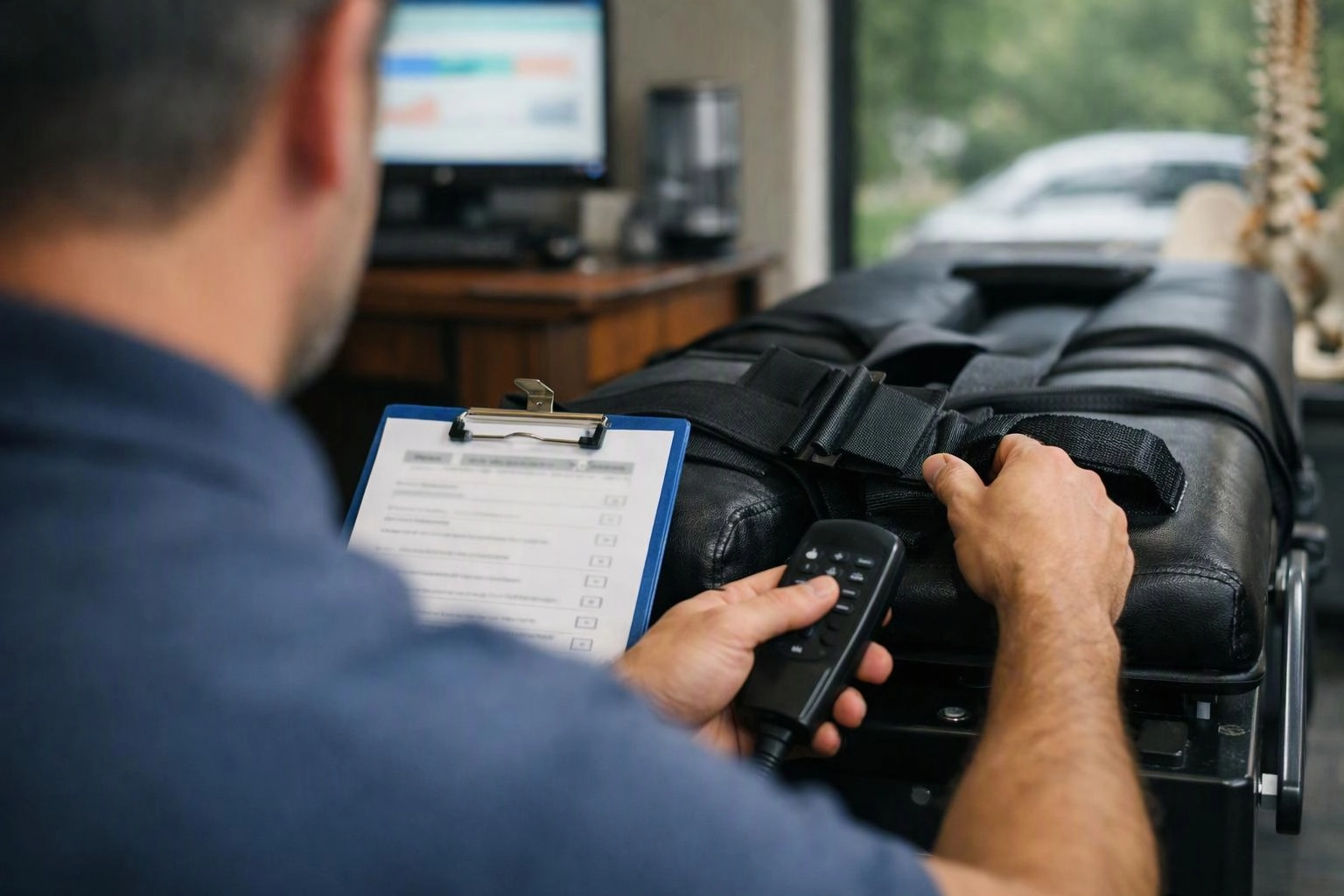
Before Your First Session: Preparation Checklist
Before your first treatment session, gather information that helps us understand your condition and plan a safe visit. Our team uses your records, symptoms, and questions during the chiropractic evaluation.
The following checklist can help you prepare for spinal decompression therapy without leaving out important details.
How Does the Initial Evaluation Guide Treatment?
The initial evaluation helps our team connect your symptoms and health history with an appropriate spinal decompression therapy plan.
A chiropractic evaluation may include a review of your medical history, pain location, mobility, and daily activities. We also complete a spinal assessment to understand movement and areas that may need more attention.
Our team considers these findings when discussing treatment suitability. We explain what we are checking, answer your questions, and use the discussion to shape your care plan.
During Your First Session: What to Expect
Your first decompression session may include positioning on a treatment table, use of a spinal decompression device, and communication with our care team. We explain each part before treatment begins.
Your comfort feedback helps us understand how your body responds during the session. The care team uses that information when discussing the next steps in your treatment plan.
What Should You Tell the Care Team During Treatment?
Tell our team about pain, pressure, numbness, tingling, or discomfort during spinal decompression therapy so we can assess your response and adjust positioning when appropriate.
Numbness or tingling can provide useful information about how symptoms are changing. Clear feedback also helps us separate expected treatment sensations from discomfort that needs attention.
After Your First Session: Follow-Up Checklist
After your first treatment session, follow the instructions our team gives you and pay attention to changes in your symptoms. Your response helps guide follow-up care and future decisions.
Use this checklist to keep your post-treatment information organized for the next appointment.
Which Symptoms Should Prompt a Call Before Treatment?
Contact our team before treatment about new or worsening symptoms, especially changes involving strength, sensation, or bladder or bowel control.
These warning symptoms may need prompt medical attention and should be discussed before beginning care.
How Can You Discuss Treatment Options With Our Team?
Our team discusses spinal decompression therapy, herniated disc treatment, and sciatica treatment in relation to your symptoms, health history, and goals during a consultation.
Herniated disc treatment and sciatica treatment may involve different care considerations based on pain location, nerve irritation, mobility, and your spinal assessment. We explain the options that may fit your needs and build a care plan around the information collected during your consultation.
Use the consultation to ask how treatment relates to your goals, what symptoms should be reported, and what follow-up care may involve.
What Information Helps Us Prepare Your Consultation?
Your symptom timeline, previous treatment, medical conditions, medications, imaging, and questions for the care team help us prepare your consultation.
Bring notes about when symptoms started, how they have changed, and what activities affect them. Include information about prior chiropractic treatment, other care, imaging, and any concerns about treatment positioning.
Arrowhead Clinic - Lithia Springs reviews these details with you so we can explain the next steps clearly. To discuss your preparation questions, contact our team.
Questions About Preparing for Spinal Decompression Therapy
What should I wear to spinal decompression therapy?
Arrowhead Clinic - Lithia Springs recommends comfortable clothing that allows easy movement and positioning on the treatment table.
Should I bring my MRI or X-ray results to my first session?
Yes, bring available MRI or X-ray results and related imaging records so our team can review information relevant to your spinal assessment.
Can I take my regular medication before spinal decompression therapy?
Follow the instructions given for your regular medication and tell our team what you take before treatment.
What should I tell the chiropractor before spinal decompression therapy?
Tell the chiropractor about your symptoms, medical history, previous treatment, medications, imaging, and treatment goals.
Can I eat before spinal decompression therapy?
Ask our team about eating before your appointment because preparation may depend on your health history and planned care.
What should I do if my symptoms change before my appointment?
Contact our team before your appointment if symptoms change, especially if pain worsens or you notice changes in strength, sensation, or bladder or bowel control.
Related Resources
Spinal Decompression Therapy Providers Worth Comparing in Lithia Springs (2026)
Brand vs BrandArrowhead Clinic - Lithia Springs vs Local Spinal Decompression Therapy Alternatives in Lithia Springs: Side-by-Side Comparison
Compared ToChiropractic Insurance vs. Self-Pay: What to Confirm Before Booking
Compared ToSpinal Decompression vs. Chiropractic Adjustment: Which Care to Discuss?