How can vertigo treatment improve balance and dizziness?
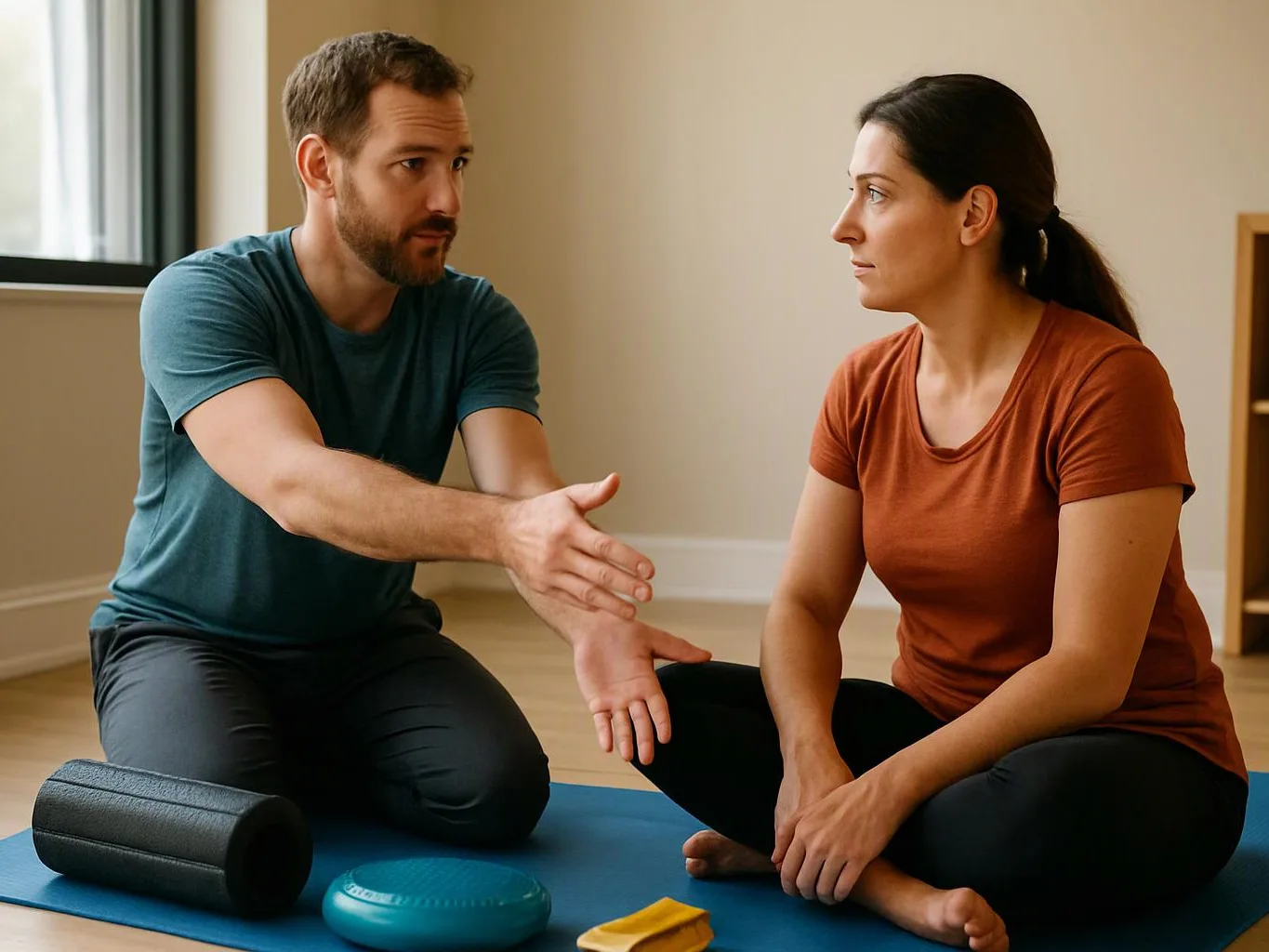
Vestibular exercises may improve balance and dizziness by training eye movement, head movement, and body control. Balance training and gaze stabilization may support daily movement, while canalith repositioning may fit certain positional patterns. Individual response differs, so the plan is reviewed as care continues.
What happens during a first visit for dizziness?
A first visit starts with a new patient intake, health history, and clinical exam. The assessment reviews balance, head movement, mobility, and related pain. X-rays may be considered when clinically indicated. Findings are explained before a personalized treatment plan is discussed, so you understand the recommended next steps.
Which details should I confirm before agreeing to care for Vertigo Treatment?
The treatment plan, recommended methods, and related services should be confirmed before care begins. Ask which findings support balance training, gaze stabilization, or canalith repositioning. Also ask how progress will be reviewed and which symptoms need medical evaluation. Clear explanations help you decide whether the plan fits your recovery goals.
When should dizziness be discussed with the care team?
Dizziness should be discussed when it affects walking, work, driving, sleep, or routine household tasks. A symptom list can show which movements bring it on and whether neck pain or an injury is also present. Our team uses those details during intake and explains whether rehabilitation or related chiropractic care fits the findings.
Why might balance exercises be paired with chiropractic care?
Balance exercises may be paired with chiropractic care when dizziness appears alongside neck pain, mobility limits, or other movement concerns. Chiropractic adjustments address one part of the care plan, while rehabilitation focuses on movement control. The exam helps decide whether both approaches fit, and results vary by person.
How does the office handle dizziness after an accident?
Accident-related dizziness is reviewed with the injury history, health history, and movement exam. Our team may connect rehabilitation with chiropractic adjustments, massage therapy, or neuromuscular therapy when the findings support it. We also assist with insurance claims after an injury and coordinate with personal injury attorneys for qualifying cases.
What changes the cost of this care plan?
The assessment needs and selected services change the cost of a vertigo care plan. Imaging, rehabilitation, massage therapy, and related chiropractic care may each affect the final amount. Our team explains the recommended services and provides pricing details during the consultation. Free Consultations are available for discussing your needs.