Skip to content

Herniated Disc Treatment in Marietta, Georgia

How can Activity modification reduce strain during daily movement in Marietta? We pair careful assessment with conservative chiropractic care for herniated disc concerns.

Licensed & InsuredSame-Day ServiceUpfront, Transparent PricingServing 35 Communities

Quick Summary: Care for a Herniated Disc in Marietta, Georgia

Care covers conservative chiropractic services, including activity changes, manual therapy, and therapeutic exercises.

  • What we do: Arrowhead Clinic - Lithia Springs provides Herniated Disc Treatment for people in Marietta, Georgia, using conservative chiropractic care and treatment planning.
  • What is included: Care may include activity changes, manual therapy, spinal decompression, and therapeutic exercises when they fit the assessment.
  • What you get: Herniated Disc Treatment gives the patient a clearer care plan for safer movement and ongoing symptom management.

Why does a herniated disc keep hurting during normal movement?

A herniated disc may keep hurting when certain movements place repeated strain on nearby tissues. A chiropractic assessment helps identify movement limits and suitable conservative care.

Herniated Disc Treatment for Marietta Patients

Herniated disc treatment focuses on the daily movements that increase strain, such as lifting, sitting, bending, or repeated reaching. The right plan depends on the health history, exam findings, symptoms, and goals discussed during the visit.

This page serves people deciding whether conservative chiropractic care fits their situation. It does not replace medical assessment for severe or changing symptoms. We explain what care may involve, what questions to ask, and when another type of medical evaluation may be more suitable.

  • Note which movements increase back, leg, or neck discomfort.
  • Bring relevant health history and imaging records when available.
  • Ask how manual therapy, spinal decompression, and exercises fit the plan.
  • Discuss any concern that makes a treatment approach unsuitable.
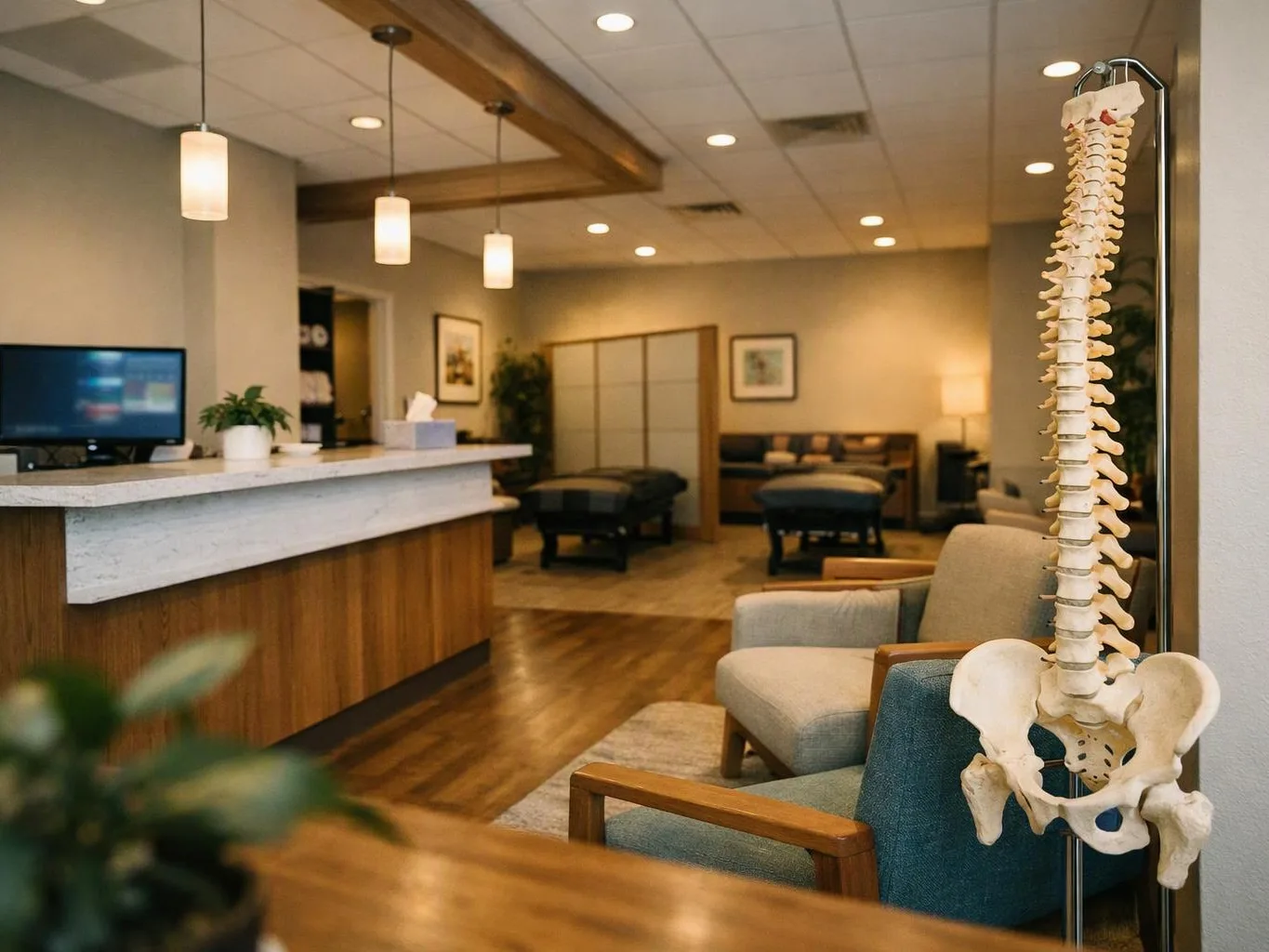
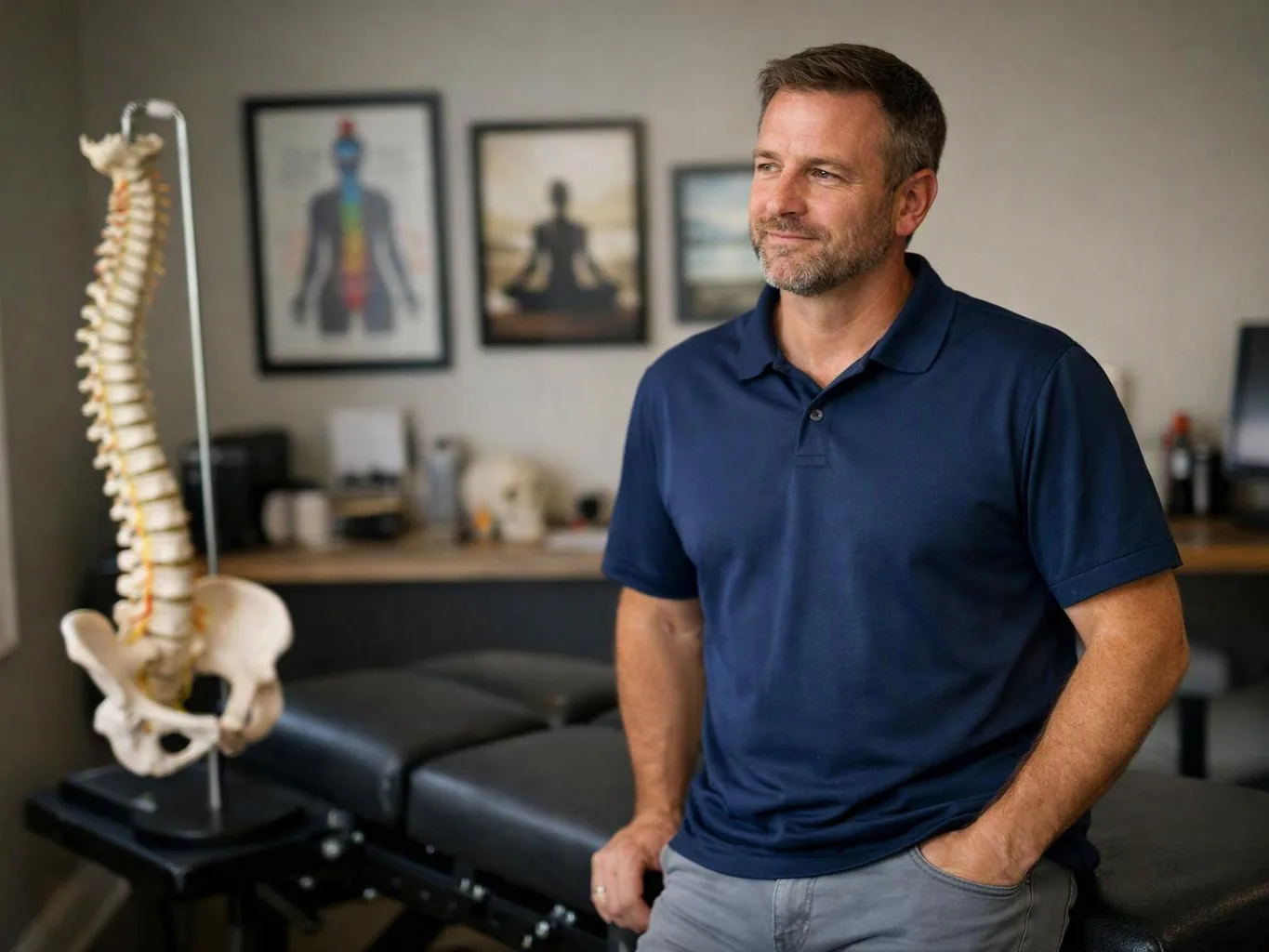
A man in a navy polo stands beside a spine model in a clinic room

Service Overview

Herniated disc treatment is conservative care that addresses movement limits and symptoms linked to a disc problem.

  • Chiropractic care may combine manual therapy, spinal decompression, and therapeutic exercises, while surgery follows a different medical pathway.
  • Arrowhead Clinic - Lithia Springs provides this care for people seeking a chiropractor in Marietta.

What Conservative Disc Care May Help You Do

Activity changes may reduce repeated strain during work, rest, and household tasks.

Manual therapy may support easier movement when soft tissue tension affects comfort.

Therapeutic exercises give you guided ways to build movement control.

A clear plan helps you understand which care options fit your goals.

Regular maintenance may support ongoing movement needs after the initial concern is addressed.

What Care for a Herniated Disc Includes

Here's what you get:

  • A new patient intake covers health history, symptoms, and daily movement demands.
  • A health history and exam help guide the treatment discussion.
  • Manual therapy may address soft tissue and movement restrictions.
  • Spinal decompression may be discussed when it fits the assessment.
  • Therapeutic exercises support controlled movement and home care.
  • A personalized treatment plan explains the proposed next steps.
Process

How Conservative Disc Care Is Planned

1

Complete the new patient intake

The intake records health history, symptoms, daily activities, and concerns that could affect care.

2

Review movement and exam findings

The exam looks at movement patterns and physical findings that help shape the discussion.

3

Discuss suitable treatment methods

We explain options such as manual therapy, spinal decompression, and therapeutic exercises when they fit the assessment.

4

Set activity and home-care guidance

The plan identifies movements to adjust and exercises that support the agreed care approach.

5

Check progress and revise care

Follow-up discussions review how symptoms and movement respond so the plan can be adjusted when needed.

What to Check Before Choosing Disc Care

A plan tied to your movement

Your daily tasks matter because lifting, sitting, and bending can affect symptoms. We connect the exam findings to practical activity changes and treatment choices.

Plain explanations before care

We explain the purpose of manual therapy, spinal decompression, or exercises before treatment begins. That gives you a chance to ask focused questions.

Know when another service fits

Chiropractic care may not be the right first step for every disc concern. Severe, changing, or medically complex symptoms call for medical evaluation and may require another form of care.

Comparing Conservative Care Options

These options differ by the part of care they address and the questions discussed during assessment.

Care optionMain focusWhat to discuss
Activity modificationDaily movement and loadWhich tasks increase strain
Manual therapySoft tissue and movement limitsSuitability for the exam findings
Spinal decompressionSelected disc-related concernsWhether this method fits the plan
Therapeutic exercisesMovement control and self-careWhich exercises match current limits

The Arrowhead Clinic - Lithia Springs Standard

  • Tailored Adjustments
  • Spinal Decompression
  • Integrated Therapies
  • Pain And Injury Care

Questions About Conservative Disc Care

What conservative treatments may help a herniated disc?

Activity modification may help reduce repeated strain during daily movement. Manual therapy can address soft tissue tension, while spinal decompression and therapeutic exercises may fit selected treatment plans. Individual response differs, so the intake and exam guide the discussion.

How can I prepare for a consultation about disc pain?

Health history, symptom notes, and relevant imaging records can help prepare you for a consultation. Write down movements that increase discomfort and any care you have already tried. The intake also covers daily work and home demands, so bring questions about activity changes and home exercises.

What should I ask before agreeing to treatment?

Treatment goals, methods, risks, alternatives, and follow-up checks are useful questions to ask first. Ask how manual therapy, spinal decompression, or exercises relate to your exam findings. You should also discuss what changes at home could support the plan and when another medical evaluation may be needed.

Which daily condition can change the treatment plan?

Daily movement demands can change the treatment plan because lifting, sitting, bending, and repeated reaching place different stresses on the body. Work tasks and home routines should be discussed during the intake. The plan can then address the movements that matter most to your symptoms.

When should I ask about spinal decompression?

Spinal decompression is worth discussing when disc-related symptoms make you curious about a non-surgical treatment option. The assessment determines whether it fits your concerns and overall plan. It is one possible method, not a universal answer, and individual response differs.

Why might therapeutic exercises be part of disc care?

Therapeutic exercises may improve movement control and give you structured self-care between visits. The exercises should match your current findings and activity limits. A plan may change as your movement response becomes clearer, so follow-up discussions matter.

How does manual therapy differ from spinal decompression?

Manual therapy uses hands-on techniques, while spinal decompression uses a controlled treatment approach for selected concerns. They address different parts of a conservative care plan. The exam and treatment discussion determine whether either method fits your goals.
Contact

Discuss Herniated Disc Treatment in Marietta

Are disc symptoms affecting your daily movement?

Folded beige towels stacked on a soft surface in warm light

ZIP Codes We Serve in Marietta, Georgia

3000630007300083006030061300623006330064300653006630067300683006930090

The health and wellness information on this website is for general informational purposes only and is not medical advice. It does not create a provider-patient relationship. Individual results vary.

(770) 501-7716