Skip to content

Herniated Disc Treatment in Fair Oaks, Georgia

Manual therapy should follow a careful exam and safety check in Fair Oaks. We explain each treatment choice before care begins.

Licensed & InsuredSame-Day ServiceUpfront, Transparent PricingServing 35 Communities

Quick Summary: Care for a Herniated Disc in Fair Oaks, Georgia

Care includes chiropractic assessment, treatment planning, and clear explanations before care.

  • What we do: Arrowhead Clinic - Lithia Springs provides Herniated Disc Treatment for people in Fair Oaks, Georgia.
  • What is included: Key capabilities include health history review, physical assessment, manual therapy, spinal decompression, therapeutic exercises, and activity guidance.
  • What you get: The patient receives a clear care plan that matches the exam findings and movement goals.

Why does herniated disc pain keep happening?

Recurring pain can relate to disc irritation, movement limits, muscle tension, or daily activity. A chiropractic exam helps identify which findings need attention before treatment is planned.
Herniated Disc Treatment for Fair Oaks Patients

Herniated disc treatment focuses on people whose back pain, sciatica, or reduced movement affects daily tasks. The visit starts with a health history and exam, then we discuss which conservative options fit the findings.

Customers often want to know whether care should begin with hands-on work, exercises, or activity changes. Our team explains the role of each option and the limits of chiropractic care, so you can make an informed choice before booking a treatment plan.

  • Bring a list of current symptoms, past injuries, and health concerns.
  • Share which movements increase pain or limit daily activity.
  • Ask how each treatment option relates to the exam findings.
  • Discuss follow-up checks and activity guidance before care begins.
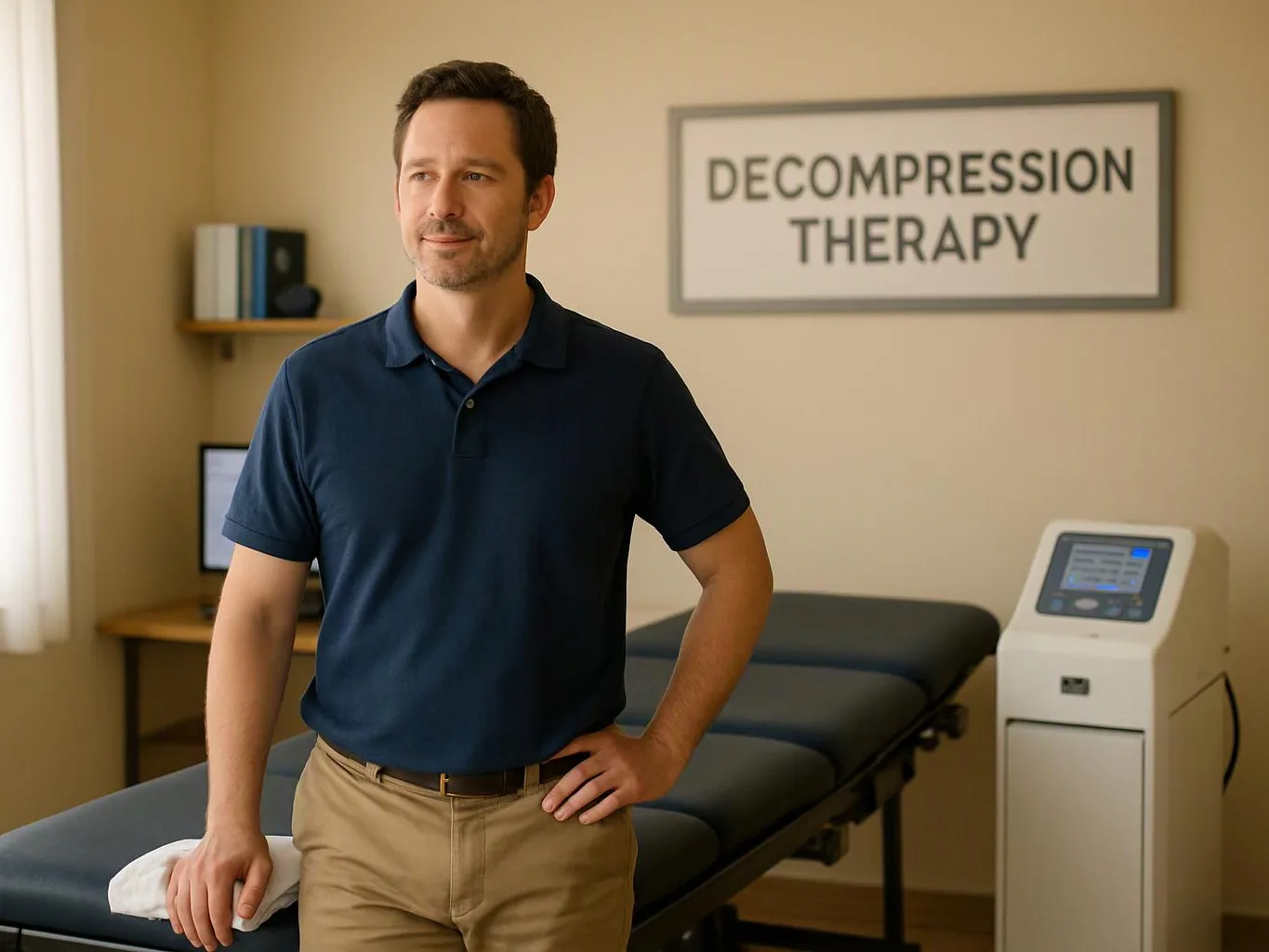
A man stands beside a therapy table in a room with a sign reading decompression therapy

Service Overview

Herniated disc treatment is a set of conservative care methods that address pain, movement limits, and related irritation.

  • It differs from surgery because it focuses on manual care, exercise, spinal decompression, and activity changes.
  • Arrowhead Clinic - Lithia Springs provides this care for patients in Fair Oaks.

What Herniated Disc Care Includes

Here's what you get:

  • A new patient intake covers your symptoms, health history, and daily movement concerns.
  • A health history and physical exam help guide the treatment discussion.
  • Manual therapy may address soft tissue tension and restricted movement when appropriate.
  • Spinal decompression may be discussed as a conservative option for selected patients.
  • Therapeutic exercises support movement and strength between visits.
  • Activity modification guidance helps you manage movements that worsen symptoms.

How We Approach Herniated Disc Care

Treatment starts with suitability

A health history and exam guide the first discussion. Manual therapy is not the right job for every cause of back or leg pain, so we explain when another medical evaluation is needed.

Each method has a clear role

Spinal decompression, therapeutic exercises, and activity changes address different parts of the care plan. Customers receive an explanation before any method is used.

Plans reflect daily movement

Work tasks, sitting, lifting, and sleep positions can affect symptoms. Our team connects activity advice to the movements you report during the visit.

Process

Steps in Herniated Disc Care

1

Review symptoms and health history

The new patient intake records symptoms, past injuries, health concerns, and daily movement limits.

2

Complete the physical assessment

The exam reviews movement, strength, sensation, posture, and areas that reproduce symptoms.

3

Explain suitable care options

We discuss manual therapy, spinal decompression, therapeutic exercises, and activity changes when the findings support them.

4

Set the treatment direction

The report of findings connects the exam with a personalized treatment plan and clear next steps.

5

Review progress and daily activity

Follow-up checks help us discuss movement changes, exercise use, and activity choices as care continues.

What This Care Can Change

A focused exam helps connect your symptoms with specific movement findings.

Clear explanations help you understand why a treatment option may fit.

Therapeutic exercises give you practical actions to use between appointments.

Activity guidance can help you manage daily tasks while care continues.

Regular maintenance may support movement goals after the active concern settles.

Comparing Conservative Care Options

These options serve different roles, so the exam helps determine which one fits the care plan.

Care optionMain purposeWhat the patient discusses
Manual therapyHands-on support for selected movement limitsSuitability after the health history and exam
Spinal decompressionControlled traction-based support for selected concernsWhether the method fits the exam findings
Therapeutic exercisesGuided movement between appointmentsWhich exercises match current ability
Activity modificationChanges to movements that increase symptomsWork, sitting, lifting, and sleep habits

The Arrowhead Clinic - Lithia Springs Standard

  • Tailored Adjustments
  • Spinal Decompression
  • Integrated Therapies
  • Pain And Injury Care

Questions About Herniated Disc Care

What conservative treatments may help a herniated disc?

Manual therapy may help selected patients manage movement limits and related discomfort. Spinal decompression, therapeutic exercises, and activity modification may also form part of conservative care. Individual response differs, and no treatment outcome is guaranteed.

What happens at each stage of care?

The process starts with intake and an exam, then moves to findings, treatment planning, and progress review. Patients share symptoms and daily limits first. The exam guides the discussion. A personalized plan may include exercises, spinal decompression, or activity changes. Follow-up visits review movement and response.

What does the clinician look at first?

The first review covers your health history, symptoms, movement limits, strength, and sensation. Our team also asks which activities increase discomfort. These details help separate a movement concern from signs that need another medical evaluation. Bring relevant records or imaging if you have them.

What should be checked before care is scheduled?

A health history and physical assessment should guide the decision before care is scheduled. The review covers symptoms, past injuries, current health concerns, and movement findings. We use that information to discuss suitability, possible treatment methods, and when another healthcare evaluation is appropriate.

How does spinal decompression differ from manual care?

Spinal decompression uses controlled traction-based positioning, while manual care uses hands-on techniques for selected movement concerns. The two methods address different parts of a care plan. Our team explains the purpose, expected role, and suitability of each option after the assessment.

Which daily activities should I discuss during a visit?

Daily activities that increase symptoms should be discussed during the visit. Mention lifting, sitting, bending, walking, sleep positions, and work tasks when they affect movement. Those details help shape activity guidance and therapeutic exercises. Patients should follow the plan given for their own findings.

Why might another medical evaluation be needed?

Another medical evaluation may be needed when symptoms do not fit a conservative chiropractic plan or raise safety concerns. The exam and health history guide that decision. We explain the reason for a referral discussion and do not promise that chiropractic care suits every cause of back or leg pain.
Contact

Discuss Herniated Disc Treatment in Fair Oaks

Are back or leg symptoms limiting your daily movement?

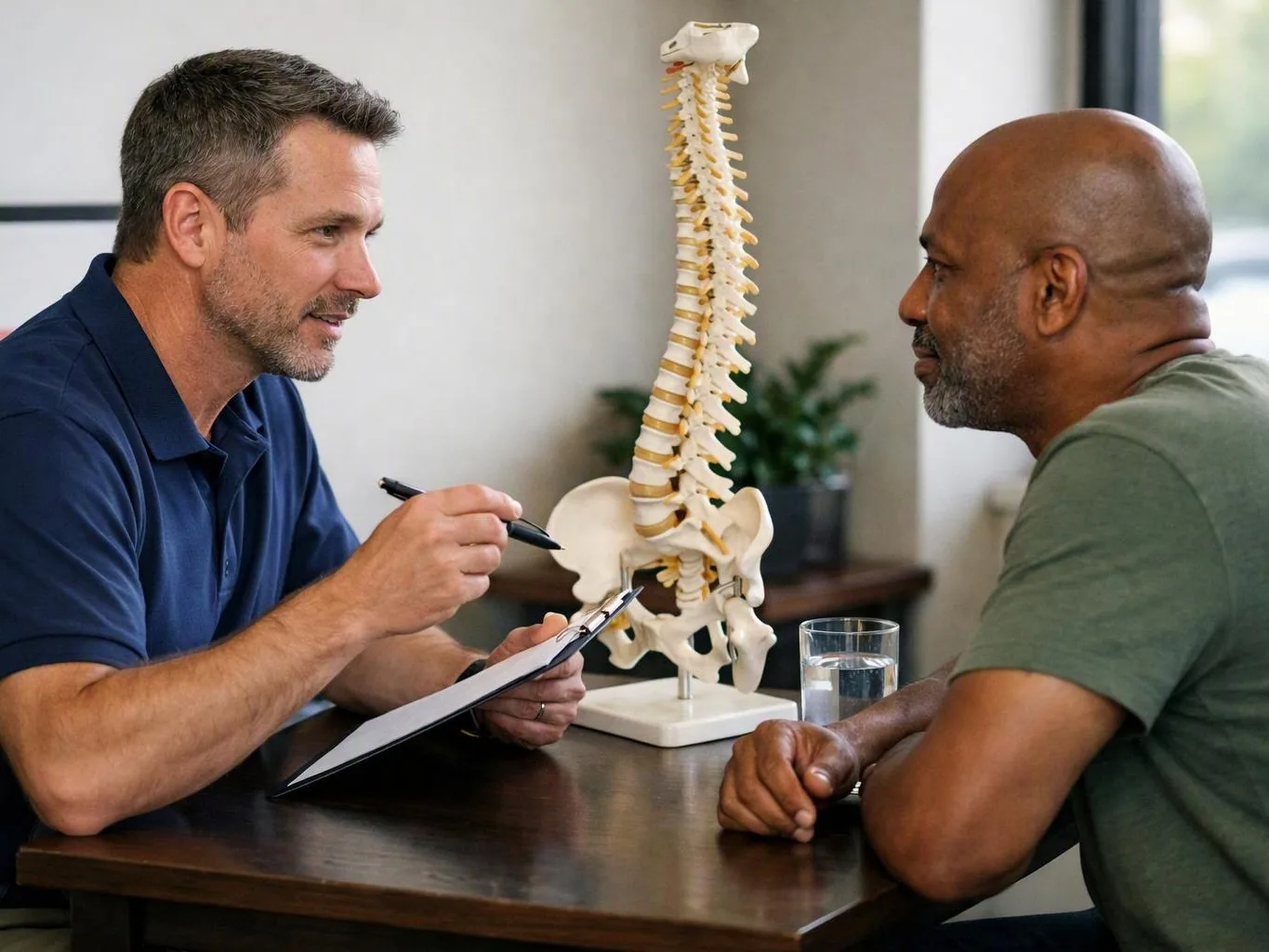
Two men discuss a spine model at a table, with one holding a clipboard and pen

The health and wellness information on this website is for general informational purposes only and is not medical advice. It does not create a provider-patient relationship. Individual results vary.

(770) 501-7716