
What Is Vestibular Rehabilitation?
Vestibular Rehabilitation is a therapy approach that uses targeted head, eye, balance, and movement exercises to help the nervous system process signals from the inner ear, eyes, and body. Clinicians tailor activities to symptoms such as dizziness, unsteadiness, motion sensitivity, or difficulty coordinating head movements during daily tasks.
Quick Facts About Vestibular Rehabilitation
Category
Movement-based rehabilitation
Used for
Dizziness, imbalance, and motion sensitivity
Common confusion
It is not simply general balance training
Also called
Vestibular Therapy, Vestibular rehabilitation therapy
Often discussed with
Headache Treatment, Therapeutic Exercise
Key Takeaways About Vestibular Rehabilitation
- It targets balance and motion processing, not just neck or back movement.
- Exercises are selected according to observed symptoms and movement responses.
- Vestibular Rehabilitation is not the same as general balance training.
How Vestibular Rehabilitation Works
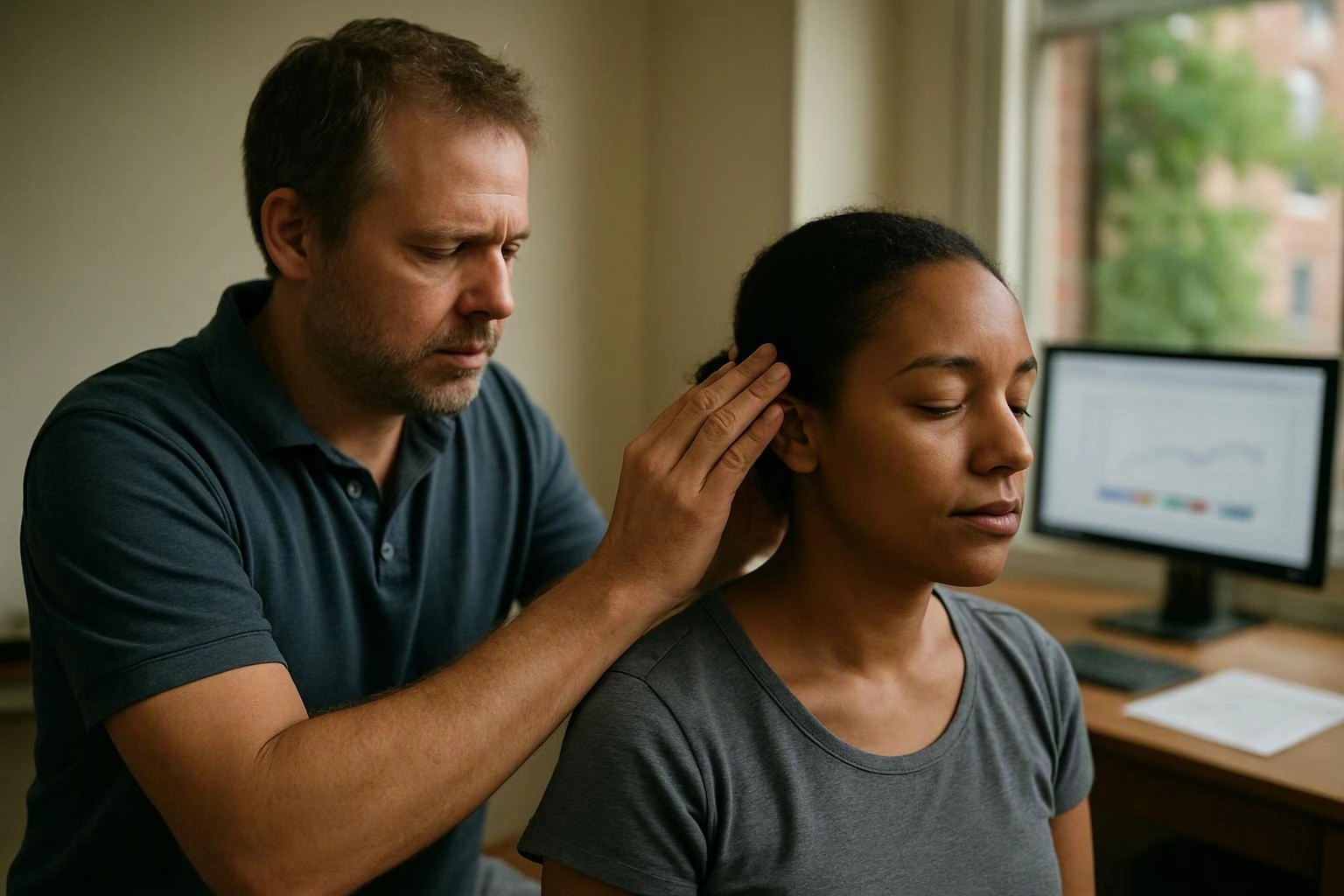
Vestibular Rehabilitation uses planned movements to challenge how the brain combines information from the inner ear, eyes, joints, and muscles. A clinician observes balance, gaze stability, head movement, and tolerance for position changes. The findings guide activities that match the person’s movement limits and daily needs.
Related glossary terms: Balance Training, Gait Analysis, Postural Assessment.
Exercises may involve keeping the eyes focused while the head moves, changing positions, walking while turning the head, or practicing stable standing. Progress is judged by movement control, symptom response, and the ability to perform useful tasks. Headache-related care may include checking whether neck movement, visual motion, or balance demands appear alongside the person’s symptoms.
From the Arrowhead Clinic - Lithia Springs team
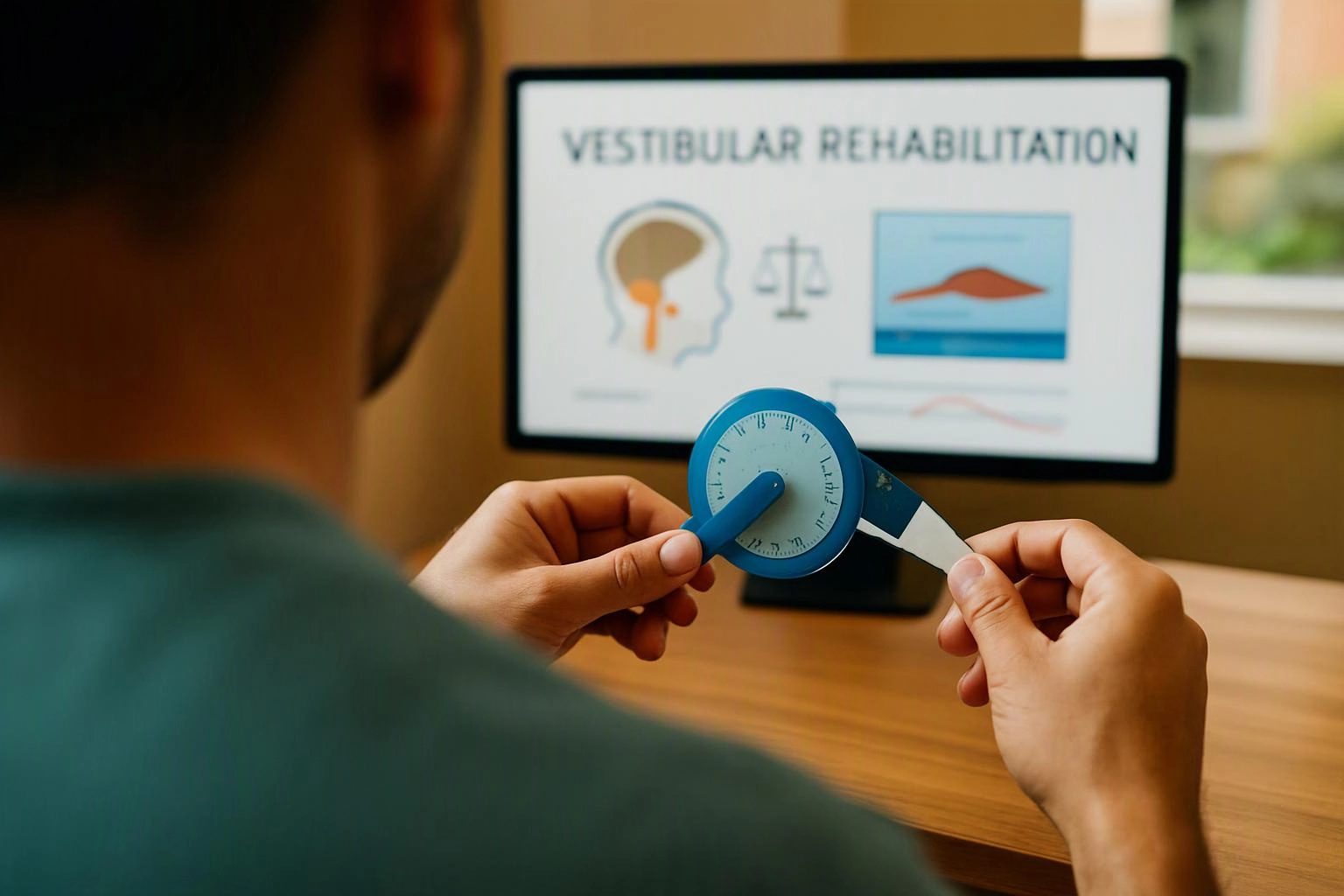
When we assess Vestibular Rehabilitation within Headache Treatment, we review movement, balance, gaze control, and reported symptom patterns. Our team considers whether vestibular features appear alongside neck or postural factors, then coordinates appropriate exercises with the broader care plan.
Vestibular Rehabilitation in Practice: A Real-World Example
A person with headaches and dizziness may feel worse when turning the head while walking or looking between screens. Vestibular Rehabilitation may address those responses with guided gaze, head movement, and balance activities selected for the person’s observed tolerance.
Related Services
Related Terms
Balance Training
Balance Training is a therapeutic exercise approach that develops your ability to keep or regain body…
Gait Analysis
Gait Analysis is a clinical movement assessment that examines how you walk, including foot placement, stride…
Postural Assessment
Postural Assessment is a structured review of body alignment and movement in standing, sitting, and other…
Range of Motion
Range of Motion is the degree to which a joint can move through its available direction…
Arrowhead Clinic - Lithia Springs
Have Questions About Vestibular Rehabilitation?
Contact Arrowhead Clinic - Lithia Springs for practical guidance on Vestibular Rehabilitation and related chiropractor work in Lithia Springs.