
What Is Kinesiology Tape?
Kinesiology Tape is an elastic therapeutic tape applied to the skin to provide light support and sensory feedback during movement. Unlike rigid athletic tape, it stretches with the body and does not fully restrict joint motion. Clinicians may apply it during sports injury treatment to support movement while other care addresses the underlying problem.
Quick Facts About Kinesiology Tape
Category
Elastic therapeutic tape
Used for
Movement support and sensory feedback
Common confusion
Not rigid athletic tape
Also called
Kinesio Tape, K-tape
Often discussed with
Sports Injury Treatment
Key Takeaways About Kinesiology Tape
- Its elastic design allows movement while providing light external support.
- Placement and tension should match the activity and treatment goal.
- Kinesiology tape is not the same as rigid athletic tape.
How Kinesiology Tape Works
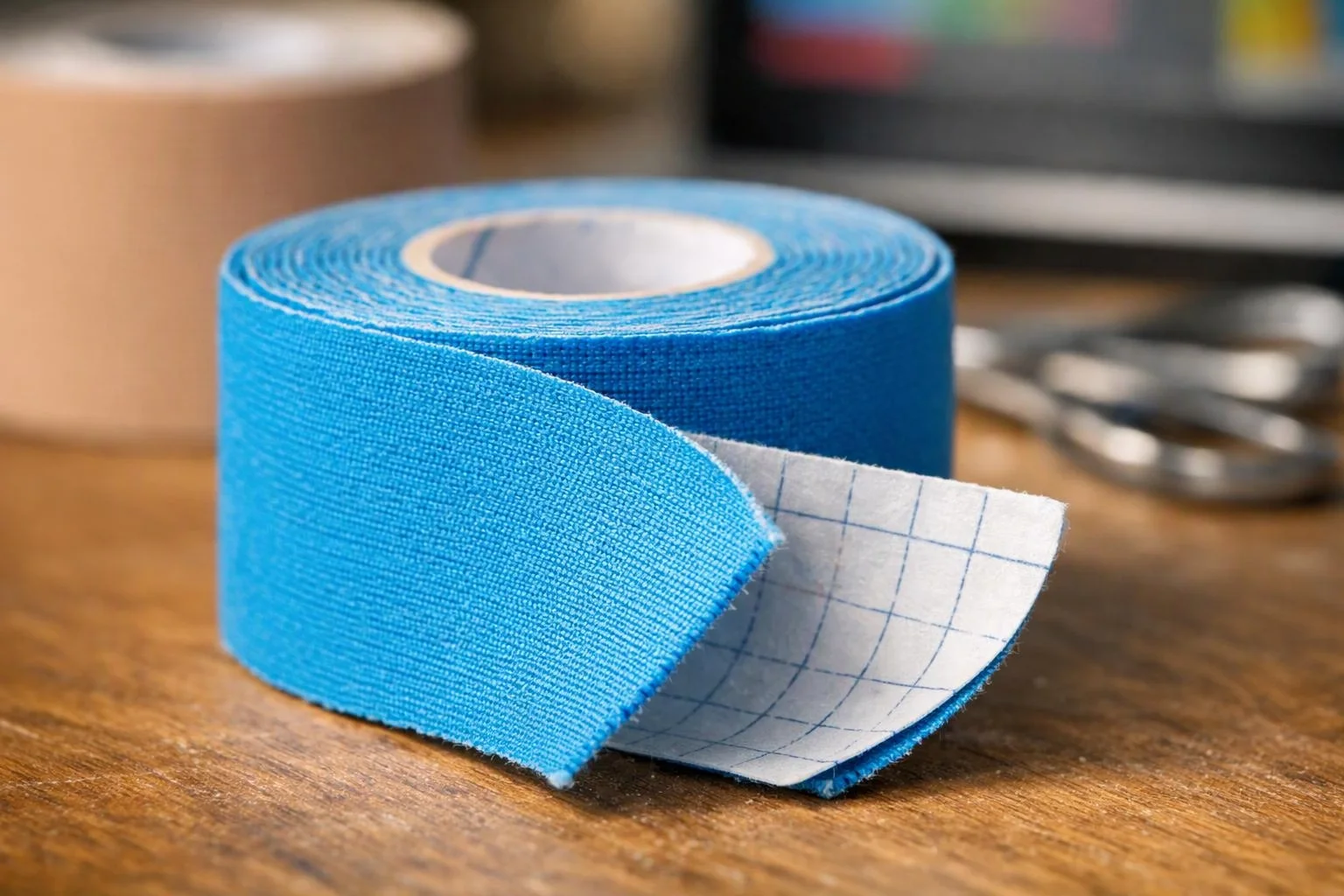
Kinesiology Tape works through its elastic fabric, adhesive contact, and placement on the body. The tape moves with the skin as a person bends, reaches, or changes direction. That contact can provide sensory feedback that helps a person notice position and movement during activity.
Related glossary terms: Strain, Sprain, Range of Motion.
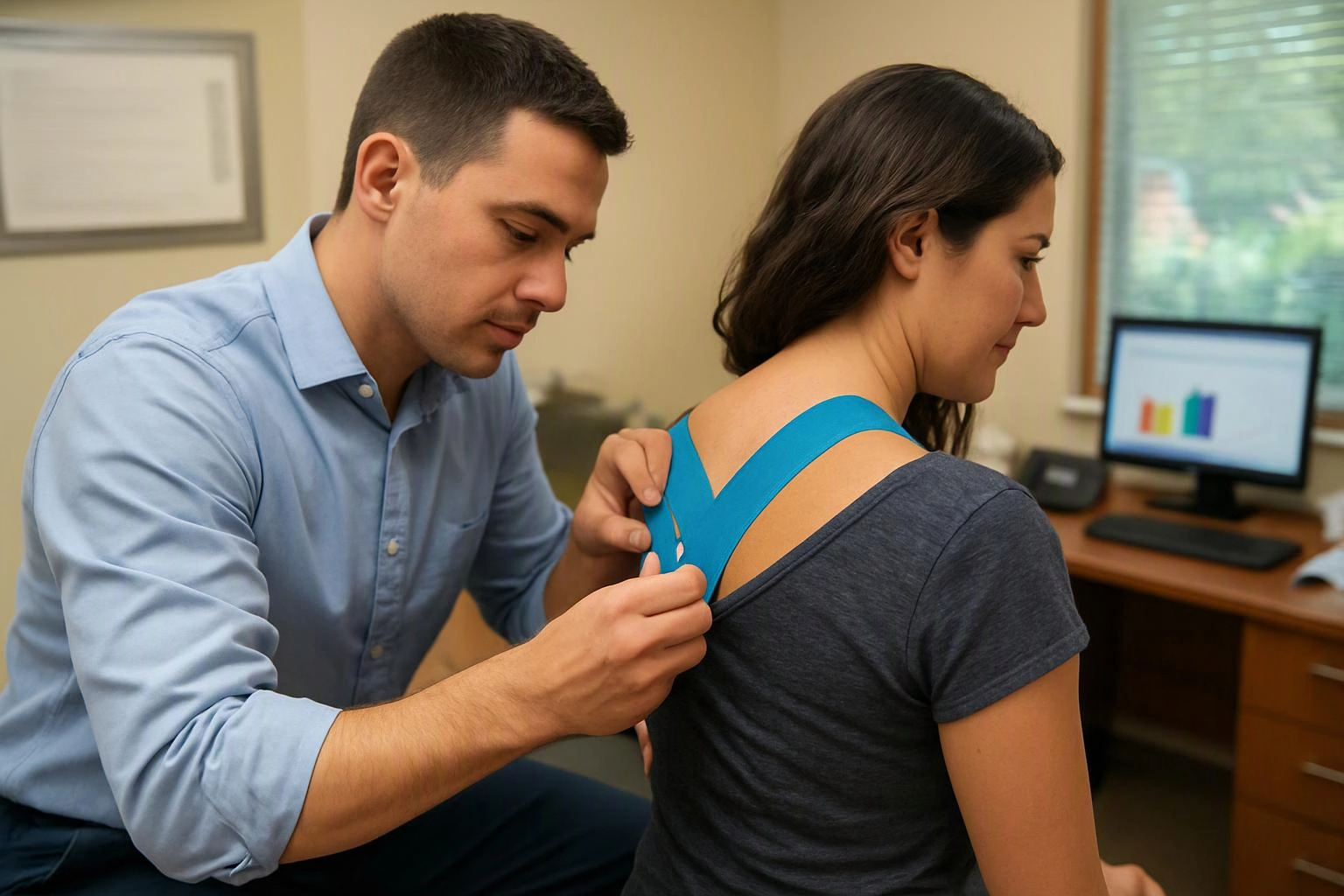
Application depends on the body area, the person’s movement pattern, and the goal of care. A clinician may place strips near a strained muscle, an irritated joint, or an area that needs movement guidance. The tape supports a broader sports injury treatment plan, but it does not repair tissue or replace an assessment.
From the Arrowhead Clinic - Lithia Springs team
When we assess a sports injury, we check movement, tenderness, and the activity that brings on symptoms before considering tape. We apply Kinesiology Tape with a clear support goal, then review how the person moves with it. Our team also checks whether the tape changes comfort or movement during the planned activity.
Kinesiology Tape in Practice: A Real-World Example
A recreational runner with a mild calf strain may receive Kinesiology Tape to provide light sensory support during walking and training modifications. The tape forms one part of sports injury treatment alongside movement assessment and guided care.
Related Services
Related Terms
Strain
A strain is an injury to a muscle or tendon caused by overstretching or forceful loading…
Sprain
Sprain is a ligament injury caused when a joint is stretched or torn beyond its normal…
Range of Motion
Range of Motion is the degree to which a joint can move through its available direction…
Gait Analysis
Gait Analysis is a clinical movement assessment that examines how you walk, including foot placement, stride…
Arrowhead Clinic - Lithia Springs
Have Questions About Kinesiology Tape?
Contact Arrowhead Clinic - Lithia Springs for practical guidance on Kinesiology Tape and related chiropractor work in Lithia Springs.