
Skip to content

X-Ray Imaging in East Point, Georgia

Positioning guidance helps patients prepare for x-ray imaging in East Point. We offer free consultations so you can ask what the visit involves before booking.

Licensed & InsuredSame-Day ServiceUpfront, Transparent PricingServing 35 Communities

Quick Summary: Diagnostic x-ray imaging in East Point, Georgia

The clinic provides chiropractic care for individuals and families in the area.

  • What we do: Arrowhead Clinic - Lithia Springs provides x-ray imaging for chiropractic assessment in East Point, Georgia.
  • What is included: Key capabilities include positioning guidance, protective shielding, image capture, and radiology review as part of chiropractic care.
  • What you get: The customer receives imaging information that helps guide a suitable chiropractic treatment discussion.

What happens during x-ray imaging for back pain in East Point, Georgia?

Positioning guidance comes first, followed by protective shielding, image capture, and radiology review. The findings can then be discussed with the chiropractic care team.
X-Ray Imaging in East Point, Georgia for Chiropractic Assessment

X-ray imaging supports a focused chiropractic visit when pictures could add useful information to the health history and exam. Patients may ask about it when back pain, neck pain, headaches, sciatica, or an injury affects movement.

The job includes more than taking a picture. We explain positioning, use protective shielding, capture the needed images, and review what those images show in the context of the visit. Imaging does not replace a full exam, and it cannot answer every health question.

Customers deciding whether to request imaging should ask how it relates to their symptoms and treatment goals. Our team can explain the purpose during a free consultation before care is planned.

  • Explain the symptom or injury that led to the imaging question.
  • Ask how positioning and shielding work during the visit.
  • Confirm how image findings fit with the health history and exam.
  • Discuss the next care step after image review.
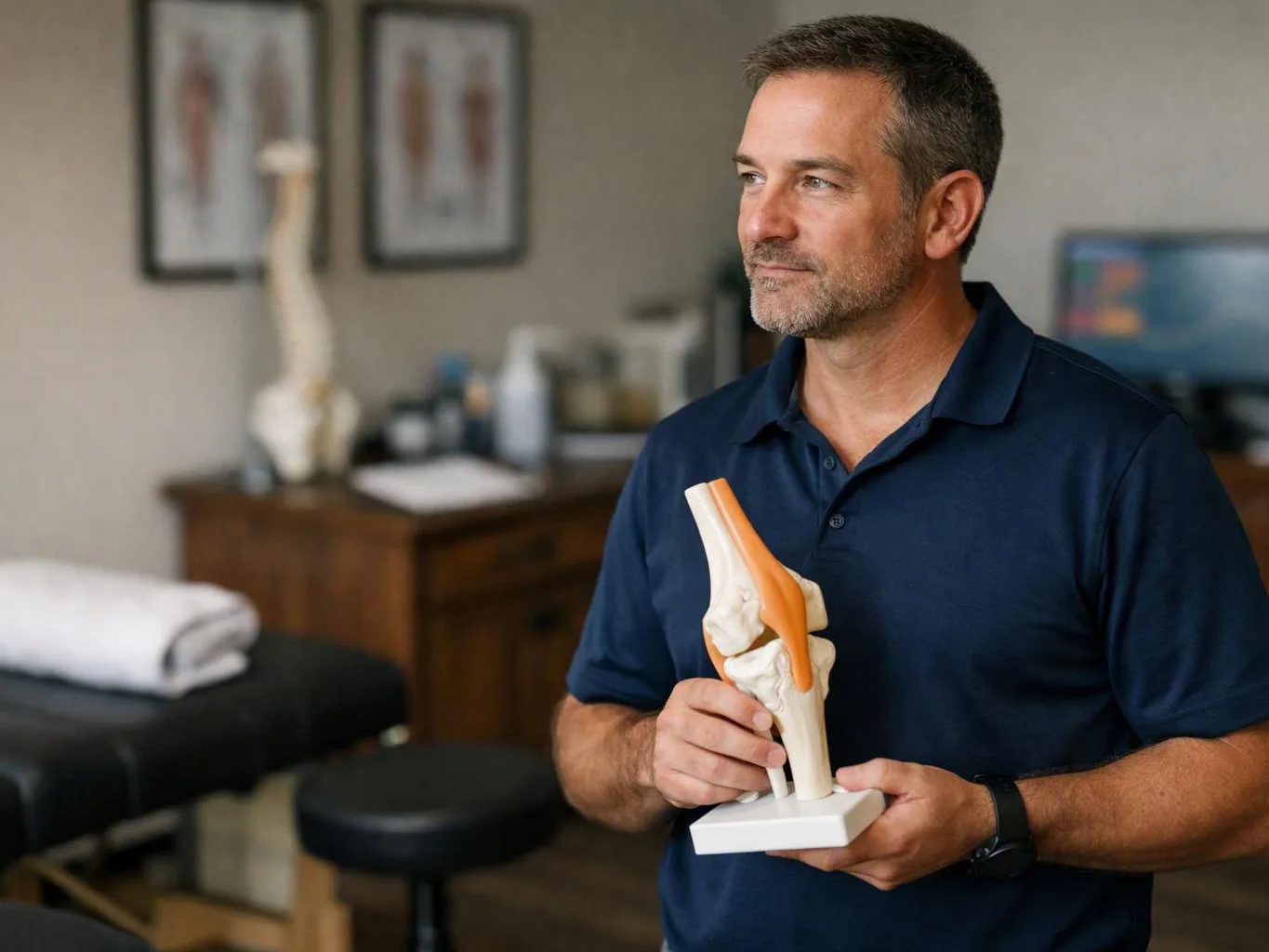
A man in a navy polo holds a knee joint model in a medical exam room

Service Overview

X-ray imaging is a diagnostic service that creates pictures of internal bones and body structures.

  • Unlike a chiropractic adjustment, x-ray imaging creates images for assessment rather than moving a joint.
  • Arrowhead Clinic - Lithia Springs provides this imaging service for chiropractic patients in East Point.
Process

Steps during the imaging visit

1

Discuss the reason for imaging

The care team reviews the health history, symptoms, and exam findings. Patients can ask what the images may add.

2

Set the patient position

Positioning guidance helps place the body for the requested image. Patients should share pain or movement limits before capture begins.

3

Apply protective shielding

Protective shielding is used as part of the imaging setup. The team explains where it goes and what happens next.

4

Capture the images

The imaging equipment records the views needed for the clinical question. Patients follow the team’s instructions during capture.

5

Review findings with care

The images are reviewed with the health history and exam. The discussion helps shape the next treatment conversation.

What customers receive from this service

A clear reason for imaging

Customers first learn what the images are meant to show. This helps them decide whether the service fits their symptoms and visit goals.

Guidance during image capture

Patients receive positioning guidance and protective shielding before images are taken. The process is explained in plain language.

A review tied to care

Image review is considered alongside the health history and exam. X-ray imaging is the wrong service for concerns that need emergency medical evaluation or a different form of diagnostic testing.

What this imaging helps you decide

Imaging can give the care team more information about bone position and structure.

A focused review helps connect the images with your health history and physical exam.

Clear explanations help you understand why imaging is being considered.

The findings may help guide a personalized chiropractic care plan.

Patients can discuss questions before treatment begins.

People in East Point can seek chiropractic assessment close to home.

What the imaging visit includes

Here's what you get:

  • We explain the reason for imaging and provide positioning guidance before image capture.
  • We use protective shielding as part of the imaging process.
  • We capture images needed for the clinical question being assessed.
  • We review the images as part of the chiropractic evaluation.
  • We discuss how the findings relate to a personalized treatment plan.
  • We explain what happens next after the imaging review.

Imaging and treatment serve different purposes

The table separates image-based assessment from treatment approaches that may be discussed during chiropractic care.

ServiceMain purposeWhat the customer receives
X-ray imagingCreates images for assessmentImage capture and review
Chiropractic adjustmentApplies a hands-on treatment approachA discussion of technique and care goals
Spinal decompressionUses a separate treatment approach for selected concernsA suitability discussion before treatment

The Arrowhead Clinic - Lithia Springs Standard

  • Tailored Adjustments
  • Spinal Decompression
  • Integrated Therapies
  • Pain And Injury Care

Questions customers ask about imaging

What happens first during x-ray imaging?

Positioning guidance is the first step during x-ray imaging. Patients should describe pain, stiffness, or movement limits before positioning begins. That information helps the team understand the reason for the imaging.

What should be ready before imaging starts?

A health history and a clear description of symptoms should be ready before imaging starts. Patients should also share relevant injuries, prior imaging, and movement limits.

  • Bring available health records.
  • Describe where symptoms occur.
  • Explain changes in movement.

These details help the care team decide how imaging fits the visit.

Which condition changes the imaging process?

Limited movement can change how positioning is handled during imaging. Patients should explain pain, stiffness, recent injury, or trouble holding a position before capture. The team can then discuss a suitable setup and whether imaging fits the clinical question. Individual response and comfort vary during assessment.

What should I ask before agreeing to imaging?

Patients should ask what question the images are meant to answer before agreeing to imaging. They can also ask how shielding works, how the images will be reviewed, and how findings may affect treatment. These questions help connect the service to the health history, exam, and proposed care plan.

Can imaging replace a chiropractic exam?

X-ray imaging cannot replace a chiropractic exam. The health history and physical exam explain symptoms and movement, while images provide another source of information. Our team considers the pieces together before discussing personalized chiropractic care. A different medical assessment may be needed when the concern falls outside this service.

How does imaging differ from spinal decompression?

Imaging creates pictures, while spinal decompression is a treatment approach. X-ray imaging supports assessment, and spinal decompression aims to address certain movement or pain concerns through a separate care plan. Patients should ask which service matches their symptoms and what the proposed treatment is meant to do.

Who provides this imaging service?

We explain the reason for imaging, guide positioning, use protective shielding, and review the images with the visit findings. Patients can ask about available services, appointment scheduling, insurance, and accepted coverage before booking.
Contact

Ask about x-ray imaging in East Point

Are you unsure what imaging may add to your chiropractic visit?

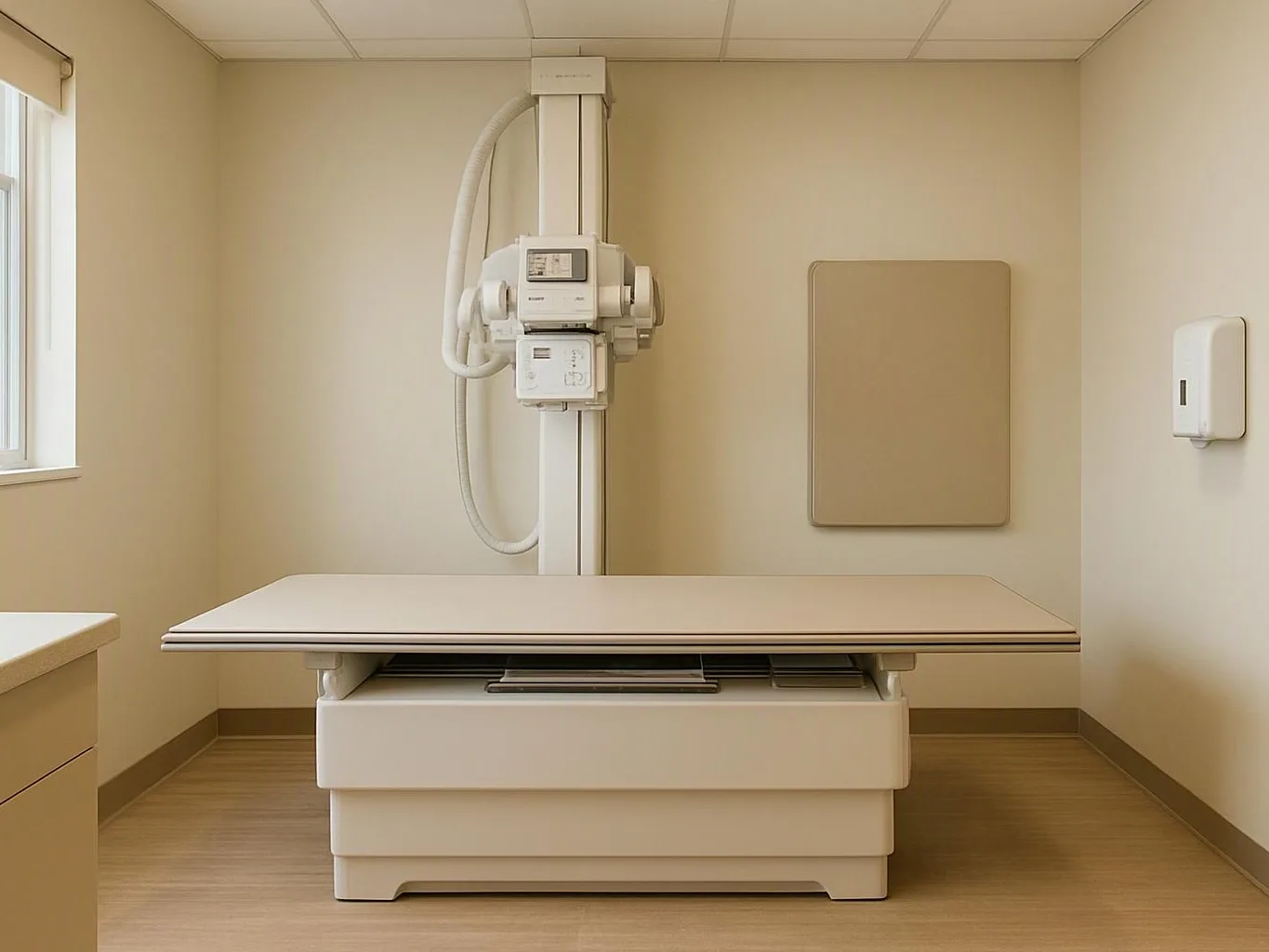
An empty X-ray room shows a medical imaging table beneath a vertical scanner and beige walls

The health and wellness information on this website is for general informational purposes only and is not medical advice. It does not create a provider-patient relationship. Individual results vary.

(770) 501-7716