Skip to content

Therapeutic Exercise in Decatur, Georgia

When pain limits safe movement, functional strength guides care in Decatur. We match each exercise to your exam findings and comfort level.

Licensed & InsuredSame-Day ServiceUpfront, Transparent PricingServing 35 Communities

Quick Summary: Guided exercise care in Decatur, Georgia

Supporting Decatur means adapting our process to the specific scope each client brings.

  • What we do: Arrowhead Clinic - Lithia Springs provides Therapeutic Exercise for individuals and families in Decatur, Georgia, as part of personalized chiropractic care.
  • What is included: Guided movement work can address muscle weakness, movement patterns, functional strength, and pain tolerance within a chiropractic care plan.
  • What you get: You receive a clearer exercise plan that supports safer movement and fits your assessed needs.

Can therapeutic exercise improve chronic back pain?

Yes, therapeutic exercise may help chronic back pain when the plan matches your movement limits and health history. Guided work can address muscle weakness, movement patterns, and pain tolerance. Results vary, so we review your response and adjust the plan when needed. Contact the clinic to discuss whether this care fits your symptoms.

Therapeutic Exercise in Decatur, Georgia for Functional Movement

Therapeutic exercise gives patients an active role in care for back pain, neck pain, sciatica, and movement limits. We use the health history and exam to decide which movements fit the person, then explain what each exercise should do.

The main decision is whether guided exercise belongs in your plan now. Pain tolerance, muscle weakness, and movement patterns all affect that choice. This service isn't a substitute for medical evaluation when symptoms suggest a need for other care, so we discuss fit before treatment.

People in Decatur who want a more active part in chiropractic care can ask about exercise support during an appointment. The goal is a clear plan for movement, not a promise of a specific result.

  • Ask how the exam findings shape each movement.
  • Discuss pain tolerance before starting active exercise.
  • Confirm how progress will be reviewed.
  • Ask which symptoms should prompt a new clinical discussion.
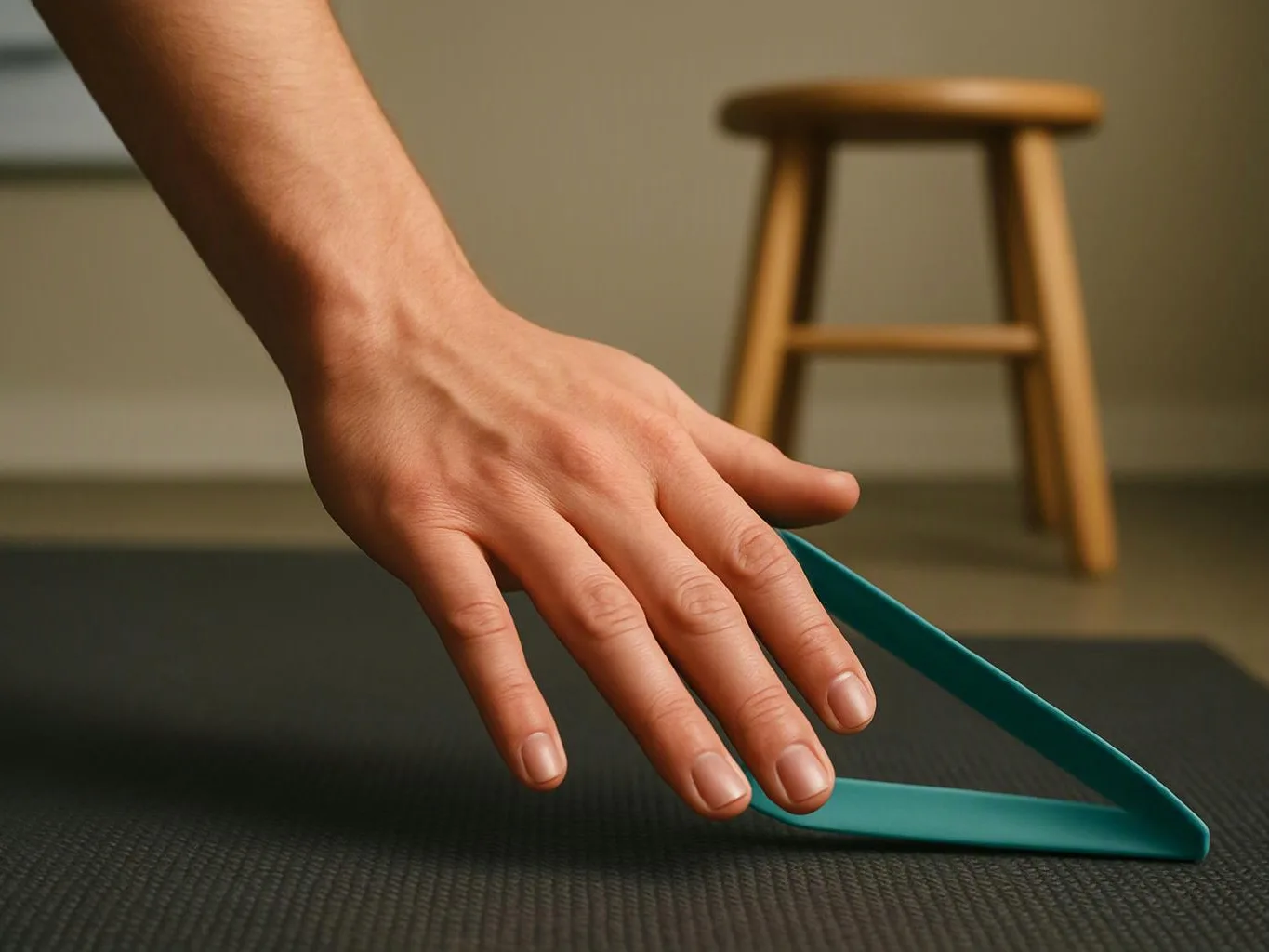
A hand reaches toward a teal yoga strap on a black mat, with a wooden stool blurred in the background

Service Overview

Therapeutic exercise is guided movement care that builds control, strength, and tolerance for daily activity.

  • It differs from a chiropractic adjustment because the exercise work asks you to actively control movement between visits.
  • We provide this care for people seeking chiropractic services in Decatur and the surrounding area.
Process

Steps From Assessment to Guided Movement

1

Review your health history

We discuss your symptoms, daily activities, and concerns before active exercise begins.

2

Check movement and tolerance

We assess movement patterns, muscle weakness, and pain tolerance during the exam.

3

Explain the exercise plan

We show how each movement connects to your findings and answer questions before care.

4

Guide active movement

We coach the exercise so you can focus on control, form, and a suitable level of effort.

5

Review your response

We discuss how your body responds and consider whether the plan needs adjustment or maintenance support.

How We Approach Guided Exercise Care

Exercise matched to your exam

Your health history and exam guide the movements we discuss. We don't treat every person with the same exercise plan.

Pain tolerance stays part of the plan

We consider how your body responds during movement. You can ask us to explain any exercise before you begin.

Know when another service fits

Therapeutic exercise may be the wrong choice when a symptom needs medical evaluation or a different treatment approach. We discuss that fit before care.

What Active Movement Work Can Support

Guided exercise may help you build better control during everyday movements.

A plan can address muscle weakness that affects how you bend, lift, or walk.

You receive explanations that help you understand the purpose of each movement.

Regular maintenance may support continued attention to movement habits.

People in Decatur can discuss active care close to home with a local chiropractic practice.

What Guided Exercise Care Includes

Here's what you get:

  • We review your health history and exam findings before active movement work.
  • We explain how each exercise relates to muscle weakness or movement control.
  • We guide movements within your current pain tolerance.
  • We adjust the plan when your response shows that a movement needs to change.
  • We discuss how regular maintenance may support everyday movement.

Active Exercise and Passive Chiropractic Care

These approaches differ in how much you participate during care.

Care approachYour roleMain focus
Therapeutic exerciseYou actively perform guided movements.Movement control, strength, and tolerance
Chiropractic adjustmentThe clinician performs the adjustment.Joint movement within the selected technique

The Arrowhead Clinic - Lithia Springs Standard

  • Tailored Adjustments
  • Spinal Decompression
  • Integrated Therapies
  • Pain And Injury Care

Questions About Guided Exercise Care

Can functional strength work improve chronic back pain?

Functional strength work may help chronic back pain when the exercises match your exam findings. We look at muscle weakness, movement patterns, and pain tolerance before guiding active movement. Results vary between people. Ask us how progress will be reviewed and which symptoms should lead to another clinical discussion.

What should I ask before agreeing to therapeutic exercise?

The best questions cover fit, purpose, and follow-up.

  • Which finding makes this exercise suitable?
  • What response should I report?
  • How will progress be reviewed?
  • How might regular maintenance fit later?

These answers help you understand the plan before you begin.

Which condition changes the time needed for guided exercise?

Muscle weakness can change how much guided practice you need before movement feels controlled. Pain tolerance, symptom response, and movement patterns also shape the plan. We assess those factors during care instead of assigning one schedule to every person. Ask us what your exam findings mean for the next step.

How is therapeutic exercise matched to a patient before care starts?

A health history and exam match therapeutic exercise to your symptoms and movement limits. We consider muscle weakness, pain tolerance, and the way you perform daily movements. The plan may change if your response changes. We explain the proposed movements before active care begins.

What happens during a first chiropractic appointment for back pain?

A first appointment includes a new patient intake, health history, and exam. We discuss your symptoms and explain possible care before treatment. X-rays may be considered if clinically indicated. Ask about the report of findings, treatment plan, and whether active exercise fits your needs.

Should I use home stretches or guided exercise for sciatica?

Guided exercise is the safer starting point when sciatica symptoms make movement uncertain. We review your health history and movement response before discussing exercises. Home work should match the plan you understand, and new or changing symptoms deserve prompt clinical attention. Individual response differs.

Which symptoms should I discuss before active movement work?

New, worsening, or unusual symptoms should be discussed before active movement work. Tell us about changes in pain, strength, sensation, or daily function during the intake. We can explain whether therapeutic exercise fits the current concern or whether another clinical step needs attention first.
Contact

Discuss Therapeutic Exercise in Decatur

Ask about your symptoms, the assessment, and what to expect before booking.

A hand grips a red exercise strap on a green mat beside a folded towel

ZIP Codes We Serve in Decatur, Georgia

3003030031300323003330034300353003630037

The health and wellness information on this website is for general informational purposes only and is not medical advice. It does not create a provider-patient relationship. Individual results vary.

(770) 501-7716