Skip to content

Sports Injury Treatment in College Park, Georgia

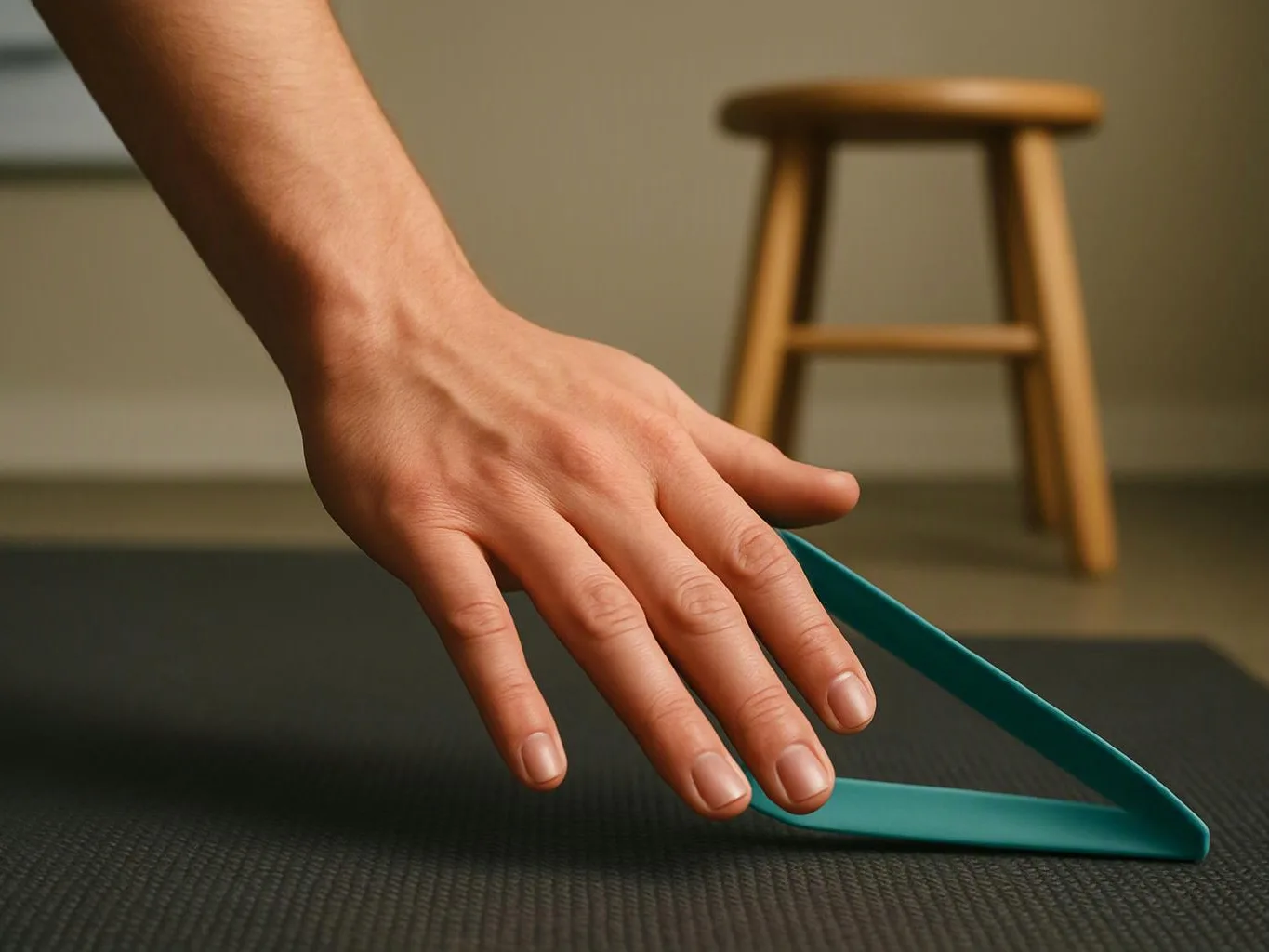
Mobility drills guide sports injury treatment for people in College Park. We pair movement work with care plans that fit your activity goals.

Licensed & InsuredSame-Day ServiceUpfront, Transparent PricingServing 35 Communities

Quick Summary: sports injury care in College Park, Georgia

Care covers chiropractic assessment, manual therapy, spinal adjustments, and rehabilitation exercises for the local community.

  • What we do: Arrowhead Clinic - Lithia Springs provides Sports Injury Treatment in College Park, Georgia, with chiropractic assessment and activity-focused care.
  • What is included: mobility drills, manual therapy, spinal adjustments, and rehabilitation exercises.
  • What you get: The customer receives a treatment plan that explains suitable care and supports a safer return to activity.

Why do I still hurt after returning to activity?

Pain after returning to activity can reflect limited mobility, weak support muscles, or movement stress. A chiropractic assessment helps identify which areas need attention, and care can include manual therapy, spinal adjustments, or rehabilitation exercises.
Sports Injury Treatment in College Park for a return to activity

Sports injury care is for athletes and active people who need help with pain, stiffness, or reduced movement after training, work, or recreation. The goal is to understand what limits activity and choose care that matches the person’s needs.

The key decision is fit. Manual therapy may suit tight or tender soft tissue, while spinal adjustments may address joint movement concerns. Rehabilitation exercises help build control around the affected area, but this service isn't the right choice for every injury or medical condition.

People in College Park can ask about care for back pain, neck pain, shoulder pain, knee pain, hip pain, sciatica, or other movement concerns. We explain what we find and what care may involve before treatment starts.

  • Describe the activity that caused or worsened the pain.
  • Note which movements feel limited or uncomfortable.
  • Bring relevant medical records or imaging if you have them.
  • Ask how care fits your sport, work, or daily activity.
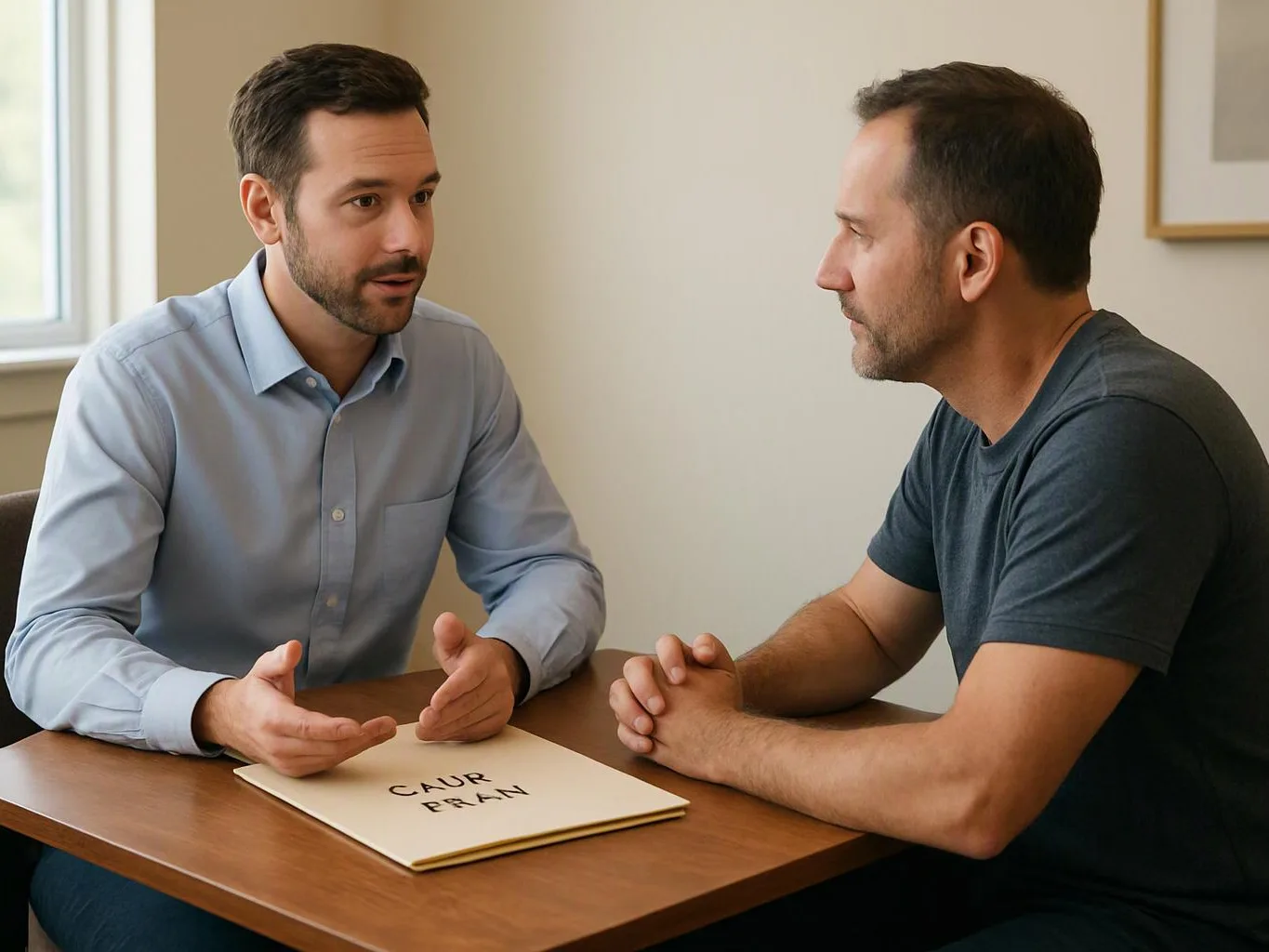
Two men sit at a table, talking over a folder in a bright room

Service Overview

Sports Injury Treatment is a form of chiropractic care that addresses movement limits, pain, and function after physical activity.

  • Chiropractic care focuses on joint and movement concerns, while physical therapy may place more emphasis on structured exercise and strength training.
  • Arrowhead Clinic - Lithia Springs provides sports injury care for people in College Park and the surrounding local community.
Process

How we provide sports injury care

1

Share your injury history

The new patient intake covers your symptoms, health history, activity, and goals for returning to movement.

2

Check movement and function

We complete a health history and exam to review joint motion, soft tissue concerns, and movements linked to symptoms.

3

Explain suitable treatment

The report of findings explains what we found and whether manual therapy, spinal adjustments, or exercises fit your needs.

4

Build active movement back

Rehabilitation exercises and other selected care support your activity plan, with progress reviewed as care continues.

What to consider before choosing sports injury care

Match care to the activity

Your sport, work demands, and daily movements shape the care plan. We review those demands before choosing manual therapy, spinal adjustments, or exercises.

Understand each treatment step

Clear treatment explanations help you know what will happen before care. Our experienced local chiropractic care team discusses the purpose of each recommended approach.

Know when another service fits

This service may not fit a serious injury, severe symptom, or condition needing medical care. We discuss the next step when chiropractic care isn't appropriate.

What sports injury care includes for active people

Here's what you get:

  • A new patient intake covers your health history, symptoms, activity, and treatment goals.
  • A health history and exam help us assess movement and areas of concern.
  • Manual therapy may address soft tissue tightness and restricted movement.
  • Spinal adjustments may be used when joint movement care fits your needs.
  • Rehabilitation exercises support movement control and strength during recovery.
  • We explain the personalized treatment plan before care begins.

How this care supports daily movement and activity

A focused assessment helps connect your symptoms with the movements that bring them.

Manual therapy may help reduce soft tissue tightness that limits sport or daily activity.

Rehabilitation exercises give you active steps to practice between appointments.

A personalized plan helps match care to your current activity level and goals.

Regular maintenance may support movement needs after the original concern improves.

How treatment methods differ

These methods address different parts of movement and may be combined when the assessment supports them.

Treatment methodMain focusHow it may fit
Manual therapySoft tissue tension and movementMay fit tight or tender areas
Spinal adjustmentsJoint movementMay fit selected spinal or joint concerns
Rehabilitation exercisesMovement control and strengthSupports active participation between visits

The Arrowhead Clinic - Lithia Springs Standard

  • Tailored Adjustments
  • Spinal Decompression
  • Integrated Therapies
  • Pain And Injury Care

Questions about sports injury care and returning to activity

What treatments can help athletes return to activity?

Mobility drills can help athletes restore movement before returning to activity. Manual therapy, spinal adjustments, and rehabilitation exercises may also fit the plan after an assessment. The right mix depends on symptoms, activity demands, and exam findings. Individual response differs, so we explain care choices before treatment begins.

How is care matched to my activity before treatment starts?

Activity demands guide the treatment plan before care starts. We ask about your sport, work, training habits, painful movements, and return goals. Those details help us decide whether manual therapy, spinal adjustments, rehabilitation exercises, or another step fits your needs.

What should be ready before my first appointment?

Your symptom history and activity details help prepare for the first appointment. Bring relevant medical records or imaging, list current medicines, and note which movements worsen the problem. A clear health history helps us plan the exam and explain suitable care.

Which part of care may change the price?

The assessment and selected treatment methods are the main cost factors. The number of concerns, need for follow-up care, and use of manual therapy or rehabilitation exercises may also affect the total. We discuss pricing during a Free Consultation before you book care.

When should I pause activity and seek medical attention?

Severe symptoms, major loss of function, or signs of a serious injury call for medical attention before chiropractic care. Stop the activity that worsens symptoms and seek appropriate medical guidance. We can discuss whether our service fits after urgent concerns receive proper attention.

Why might pain return after exercise improves?

Pain may return when activity rises faster than movement control or tissue tolerance. A reassessment can review joint motion, soft tissue tension, exercise form, and training demands. We then explain whether continued care or a revised rehabilitation plan is appropriate.
Contact

Discuss sports injury care in College Park

After you reach out, our team can answer questions about appointments, treatment approaches, insurance, and what to expect before you book.

A folded towel, neck pillow, and pump bottle sit on a table in warm light

Sports Injury Treatment in Other Areas

The health and wellness information on this website is for general informational purposes only and is not medical advice. It does not create a provider-patient relationship. Individual results vary.

(770) 501-7716