Skip to content

Pinched Nerve Treatment in Smyrna, Georgia

Spinal adjustments need replacement when an exam shows another method fits better in Smyrna. We explain the recommended approach before care begins.

Licensed & InsuredSame-Day ServiceUpfront, Transparent PricingServing 35 Communities

Quick Summary: pinched nerve care in Smyrna, Georgia

We provide personalized chiropractic care plans and explain treatment options before care.

  • What we do: Arrowhead Clinic - Lithia Springs provides Pinched Nerve Treatment for people in Smyrna, Georgia, with assessment-led chiropractic care.
  • What is included: We assess nerve-related symptoms and explain manual therapy, stretching exercises, and traction therapy when appropriate.
  • What you get: The patient receives a clear treatment plan matched to the findings from the health history and physical exam.

Why does a pinched nerve keep causing pain after movement?

Recurring pain can reflect ongoing pressure, limited movement, or an issue that needs a different assessment. A health history and exam help identify the next safe step.

Pinched Nerve Treatment for Smyrna Patients

Pinched nerve care focuses on the source of irritation, not only the painful spot. People may seek help for tingling, numbness, weakness, neck pain, back pain, or symptoms that travel into an arm or leg.

Our team starts with a new patient intake, health history, and exam. We check movement and symptom patterns, then discuss whether hands-on care, stretching exercises, or traction therapy fits the findings.

This page helps you decide which questions to ask before booking. It also explains what happens when the first method needs to change after the assessment.

  • Bring a clear description of where symptoms start and where they travel.
  • Note movements or positions that increase numbness, tingling, or weakness.
  • Ask which treatment method matches the findings from the exam.
  • Discuss whether progress will be checked during later visits.
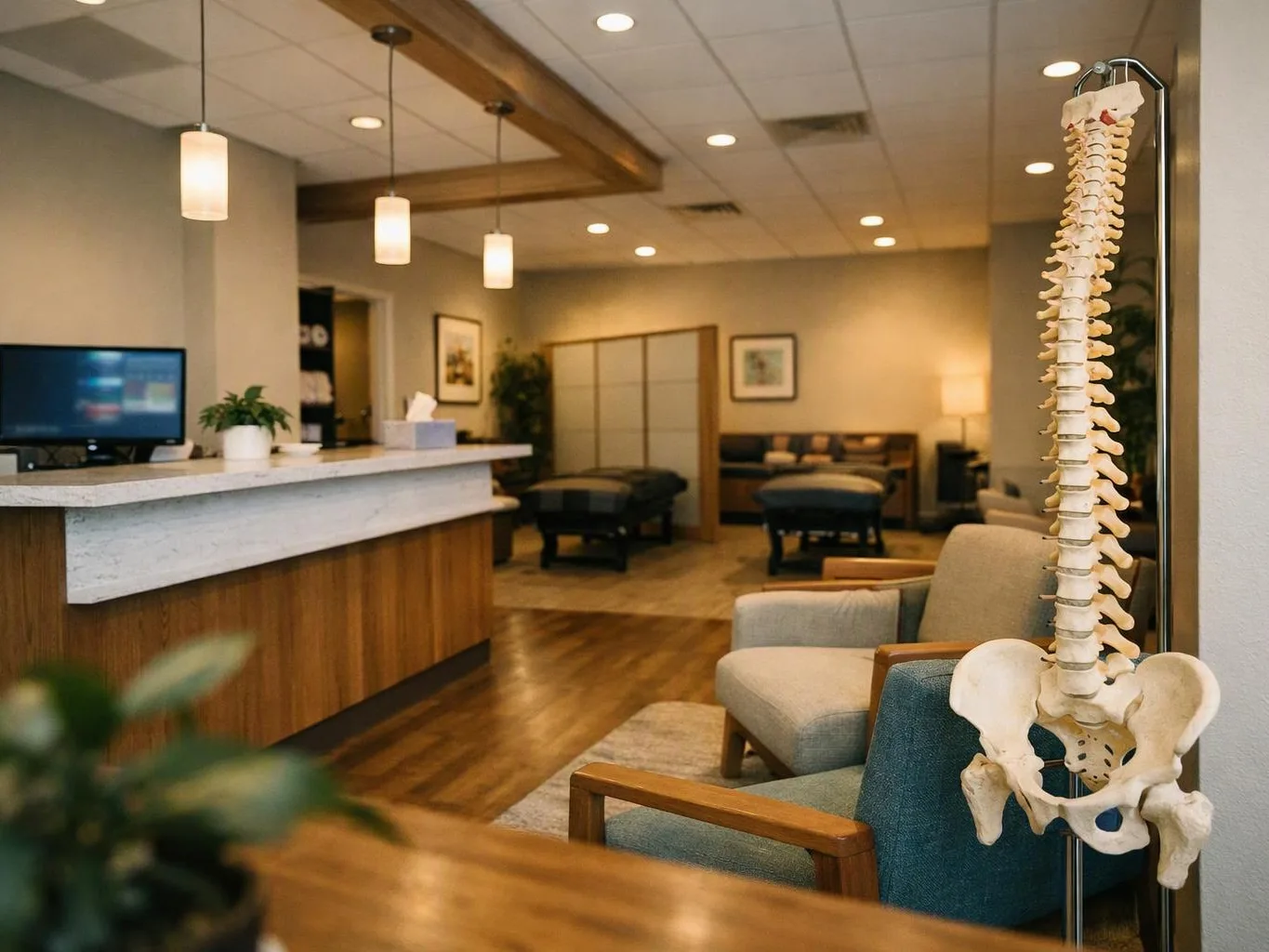
A man in a navy polo stands beside a spine model in a clinic room

Service Overview

Pinched nerve treatment is a chiropractic service that assesses nerve-related pain and uses hands-on care or guided movement to support function.

  • Manual care focuses on joints and soft tissue, while traction therapy uses controlled pulling to reduce pressure during the session.
  • We provide this care for people in Smyrna through our chiropractic clinic.

What Pinched Nerve Care Includes

Here's what you get:

  • The first visit includes a new patient intake and health history.
  • The exam reviews movement, symptom patterns, and areas of concern.
  • We explain whether manual therapy fits the findings.
  • Stretching exercises may support movement between visits when appropriate.
  • Traction therapy may be discussed when controlled pulling suits the care plan.
  • We explain the treatment approach before care begins.

A client scenario this service addresses

A person who works at a desk or drives often may notice symptoms after staying in one position. We check movement and symptom spread, then explain whether hands-on care or guided exercise fits the findings.

Choosing the Right Approach for Nerve Symptoms

A plan based on the exam

The health history and exam guide the treatment choice. We explain why a method fits before care starts.

A clear method comparison

Manual therapy, stretching exercises, and traction therapy do different jobs. We discuss the option that matches the symptom pattern and movement findings.

Knowing when care needs a referral

Chiropractic care is not the right first step for every symptom. Severe weakness, sudden loss of bladder or bowel control, or other urgent warning signs need prompt medical evaluation.

Process

How We Assess and Treat Nerve-Related Pain

1

Complete the health history

The new patient intake records symptoms, past concerns, and the movements that affect them.

2

Check movement and nerve signs

The exam reviews motion, strength, sensation, and symptom patterns before treatment is selected.

3

Discuss the treatment method

We explain manual therapy, stretching exercises, traction therapy, or another suitable option in plain language.

4

Start the agreed care

Care follows the plan you understand and accept. We adjust the method if later findings call for a different approach.

5

Review progress and next steps

Follow-up checks help us discuss movement, symptoms, and whether regular maintenance fits your goals.

What This Care Helps You Decide

An assessment helps connect symptoms with movement and nerve irritation.

A written or explained care plan gives you clear next steps before treatment.

Guided stretching can support movement when the exercise suits your findings.

Method changes can keep care focused on what the exam shows.

Regular maintenance may support everyday movement after the main concern improves.

Comparing Methods for Nerve-Related Symptoms

The table shows how each method is used during a treatment discussion.

Treatment methodMain actionDecision point
Spinal adjustmentsUses a targeted joint adjustmentThe exam must support this approach
Manual therapyUses hands-on joint or soft tissue movementMovement findings guide its use
Stretching exercisesUses guided movement to support flexibilityThe exercise must suit the person's condition
Traction therapyUses controlled pulling during careThe assessment decides whether it fits

The Arrowhead Clinic - Lithia Springs Standard

  • Tailored Adjustments
  • Spinal Decompression
  • Integrated Therapies
  • Pain And Injury Care

Questions About Pinched Nerve Care

Which methods are used for pinched nerve treatment?

Spinal adjustments are one method, but the exam may support manual therapy, stretching exercises, or traction therapy instead. The chosen method depends on the health history, exam findings, and whether the treatment fits the person's needs.

How can I tell whether this treatment fits my symptoms?

A health history and physical exam determine whether chiropractic care fits the symptom pattern. Tingling, numbness, pain that travels, and movement limits may need assessment before treatment. We also discuss warning signs that require medical evaluation, so the next step matches the concern.

Which part of the visit decides the treatment scope?

The movement and nerve exam helps decide the treatment scope. The health history adds context about prior injuries, current symptoms, and daily limits. Those findings guide the discussion about manual therapy, stretching exercises, or traction therapy before care begins.

What changes the time needed for a treatment visit?

The assessment findings and treatment method change the time needed for a visit. A health history, movement exam, and discussion of options may be needed before care starts. We explain the visit steps during scheduling because the required work differs by the symptoms and method selected.

How does traction therapy differ from hands-on care?

Traction therapy uses controlled pulling, while manual therapy uses hands-on movement of joints or soft tissue. Both methods serve different treatment purposes. We select the approach after reviewing movement, symptom spread, and the person's health history.

What should I bring to the first appointment?

A symptom history, current medication list, and relevant medical records can help the first visit. Notes about numbness, weakness, pain patterns, and daily limits are useful. We can also discuss insurance benefits verification and what to expect during the intake and exam.

When should nerve symptoms receive urgent medical attention?

Sudden severe weakness, loss of bladder or bowel control, or rapidly worsening symptoms need prompt medical evaluation. Those signs may point to a problem that requires care beyond chiropractic treatment. We can discuss routine symptoms, but urgent warning signs should not wait for a standard appointment.
Contact

Discuss Pinched Nerve Treatment in Smyrna

Are you unsure which method fits your symptoms?

A hand presses a black leather cushion resting on a folded white towel on a sofa

ZIP Codes We Serve in Smyrna, Georgia

300803008130082

The health and wellness information on this website is for general informational purposes only and is not medical advice. It does not create a provider-patient relationship. Individual results vary.

(770) 501-7716