Skip to content

Knee Pain Treatment in East Point, Georgia

Soft tissue therapy helps decide how knee pain treatment should begin in East Point. We explain the findings and offer a free consultation before care.

Licensed & InsuredSame-Day ServiceUpfront, Transparent PricingServing 35 Communities

Quick Summary: knee care in East Point, Georgia

The clinic serves individuals and families through personalized chiropractic care and free consultations.

  • What we do: Arrowhead Clinic - Lithia Springs provides Knee Pain Treatment for people in East Point, Georgia through chiropractic assessment and care.
  • What is included: Assessment, soft tissue therapy, joint mobilization, cold therapy, therapeutic exercises, and personalized treatment planning.
  • What you get: The customer receives a clearer care plan for knee pain and the next step that fits the assessment.

Why does knee pain keep coming back after rest?

Recurring knee pain can relate to joint motion, soft tissue tension, activity demands, or movement habits. An assessment helps identify which factors need attention.

Knee Pain Treatment for East Point Movement Concerns

Knee pain treatment is for people who notice soreness, stiffness, reduced motion, or trouble with daily movement. The work starts with a new patient intake, health history, and exam so we can understand the complaint before discussing care.

This page focuses on how methods are chosen for the knee. Soft tissue therapy, joint mobilization, cold therapy, and therapeutic exercises may each serve a different role. Your assessment helps decide which approach fits your symptoms and goals.

East Point patients can ask about care close to home, appointment steps, insurance benefits verification, and what a visit includes. We explain the limits of chiropractic care and recommend medical evaluation when symptoms need attention outside our service scope.

  • Discuss where the knee hurts and which movements bring on symptoms.
  • Review health history, activity demands, and prior care.
  • Assess joint motion and nearby soft tissue.
  • Discuss suitable methods before treatment begins.
  • Set clear next steps for follow-up care.
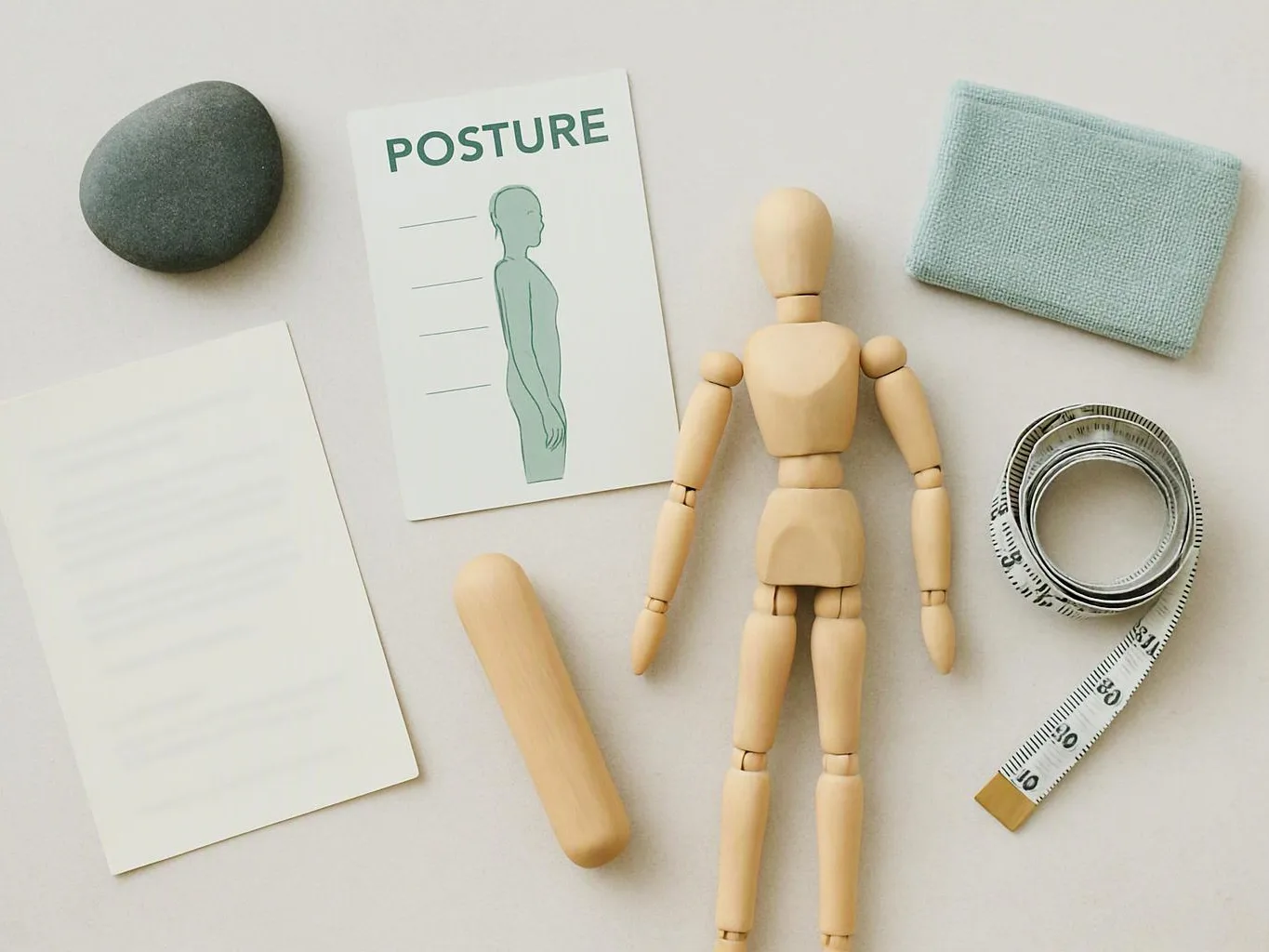
A wooden pose doll sits beside a posture card, measuring tape, folded cloth, stone, and blank papers on a light surface

Service Overview

Knee pain treatment is a care process that assesses knee symptoms and supports better movement through hands-on methods and exercise.

  • Chiropractic care focuses on joint motion and related tissues, while physical therapy may place more weight on structured rehabilitation plans.
  • We provide knee care for individuals and families in East Point through our local chiropractic clinic.
Process

How We Plan Knee Care Step by Step

1

Complete the new patient intake

We record your symptoms, health history, activity needs, and care goals before the exam.

2

Assess knee motion and nearby tissues

The exam checks movement, joint function, and soft tissue around the knee. X-rays are considered if clinically indicated.

3

Explain the findings

We discuss what the assessment shows and answer questions about suitable chiropractic methods.

4

Choose suitable care methods

The plan may include joint mobilization, soft tissue therapy, cold therapy, or therapeutic exercises when appropriate.

5

Review progress and next steps

Follow-up discussions help assess your response and decide whether continued care or a wellness maintenance plan fits.

How We Approach Knee Pain Treatment

Assessment before hands-on care

We review your history and examine movement before choosing a method. This service is the wrong fit for symptoms that need urgent medical assessment or care outside chiropractic practice.

Methods matched to the complaint

Joint mobilization, soft tissue therapy, cold therapy, and exercises do different jobs. We explain the reason for each method before care begins.

Answers before you book

Our team can discuss appointments, available services, insurance questions, and what to expect during a visit.

What This Knee Care Can Help You Decide

An assessment gives you a clearer view of which movements need attention.

Treatment planning connects hands-on care with exercises that support everyday movement.

Clear explanations help you understand why a method may fit your symptoms.

Regular maintenance may support movement goals after the first concern is addressed.

A consultation gives you a chance to discuss suitability before booking care.

What Knee Care Includes Before and During Treatment

Here's what you get:

  • A new patient intake records your symptoms, health history, and care goals.
  • A health history and exam help us assess knee motion and related tissues.
  • Soft tissue therapy may address tension around the knee and nearby muscles.
  • Joint mobilization may support controlled movement of the knee and connected joints.
  • Cold therapy may help manage soreness after activity or treatment.
  • Therapeutic exercises support movement habits between visits.

How Knee Care Methods Differ

These methods address different parts of movement and symptom management.

MethodMain focusHow it may be used
Soft tissue therapyNearby muscles and soft tissueMay address tension around the knee
Joint mobilizationControlled joint movementMay support knee and connected-joint motion
Cold therapySoreness managementMay be discussed after activity or treatment
Therapeutic exercisesMovement control and strengthSupports practice between visits

The Arrowhead Clinic - Lithia Springs Standard

  • Tailored Adjustments
  • Spinal Decompression
  • Integrated Therapies
  • Pain And Injury Care

Questions People Ask About Knee Care

Which methods are used for knee pain treatment?

Soft tissue therapy is one method used for knee pain treatment, along with joint mobilization, cold therapy, and therapeutic exercises. Each method serves a different purpose. The exam helps us decide which options fit your symptoms, movement, and care goals. We explain the plan before treatment begins.

How does a first appointment assess knee pain?

A first appointment reviews your health history, symptoms, movement, and care goals. The assessment may include an exam of knee motion and nearby tissues. X-rays are considered if clinically indicated. We then explain the findings and discuss suitable treatment methods before care starts.

What should I bring to a knee care appointment?

Your health history, current medication details, prior imaging, and notes about past care can help the intake. Bring questions about symptoms, insurance benefits, and treatment methods. These details give us useful context during the exam and help keep the discussion focused.

When should knee pain receive medical attention first?

Urgent or severe symptoms should receive medical attention before chiropractic care. A health history and exam help identify whether the concern fits our service. We discuss referral needs when symptoms fall outside chiropractic care or require another form of evaluation.

Why might knee pain return after exercises?

Knee pain may return when movement habits, activity demands, joint motion, or surrounding tissue remain unchanged. A follow-up assessment helps review those factors. We can discuss whether exercise changes, hands-on care, or medical evaluation better fits the next step.

Which part of the knee care visit changes the price?

The assessment and selected treatment methods are the main parts that shape the cost. Care needs, follow-up planning, and insurance benefits may also affect what you pay. Ask about pricing during the free consultation before booking.
Contact

Start With a Knee Care Consultation in East Point

Your first deliverable is a discussion of your symptoms, health history, and suitable care methods.

A man talks with a seated woman across a small table in a calm 상담 room

The health and wellness information on this website is for general informational purposes only and is not medical advice. It does not create a provider-patient relationship. Individual results vary.

(770) 501-7716