Skip to content

Herniated Disc Treatment in East Point, Georgia

A neurological examination helps guide the care decision in East Point. We assess movement, reflexes, and imaging before planning care.

Licensed & InsuredSame-Day ServiceUpfront, Transparent PricingServing 35 Communities

Quick Summary: Herniated Disc Care in East Point, Georgia

The service includes examination, movement and reflex checks, imaging review, and chiropractic care across the local area.

  • What we do: Arrowhead Clinic - Lithia Springs provides Herniated Disc Treatment for people in East Point, Georgia through chiropractic assessment and care planning.
  • What is included: Neurological examination, movement testing, reflex testing, imaging review, spinal care, and treatment explanations before care.
  • What you get: The customer receives a clearer care decision based on symptoms, movement, reflexes, and available imaging.

Why does a herniated disc keep causing leg pain?

Leg pain can occur when a disc problem affects a nearby nerve. A neurological examination checks movement, reflexes, and sensation so the care plan matches the findings.
Herniated Disc Treatment for East Point Care Decisions

Herniated disc treatment addresses a focused question: what findings should guide care for this disc problem? The work begins with the symptoms you report, then connects those symptoms to movement, reflexes, and available imaging.

The service fits people seeking chiropractic care for back pain, sciatica, or related movement limits. It does not replace medical assessment for signs that need another type of care. We explain what the findings mean and discuss whether chiropractic treatment suits your needs.

East Point patients can use this page to prepare for a focused consultation with a local chiropractic clinic. The key decision is whether the examination supports chiropractic care or points toward another healthcare service.

  • Bring any available imaging reports and relevant health history.
  • Note where pain, numbness, or weakness affects daily movement.
  • Expect movement and reflex checks during the assessment.
  • Ask how imaging findings relate to the symptoms you report.
  • Confirm the proposed treatment approach before care begins.
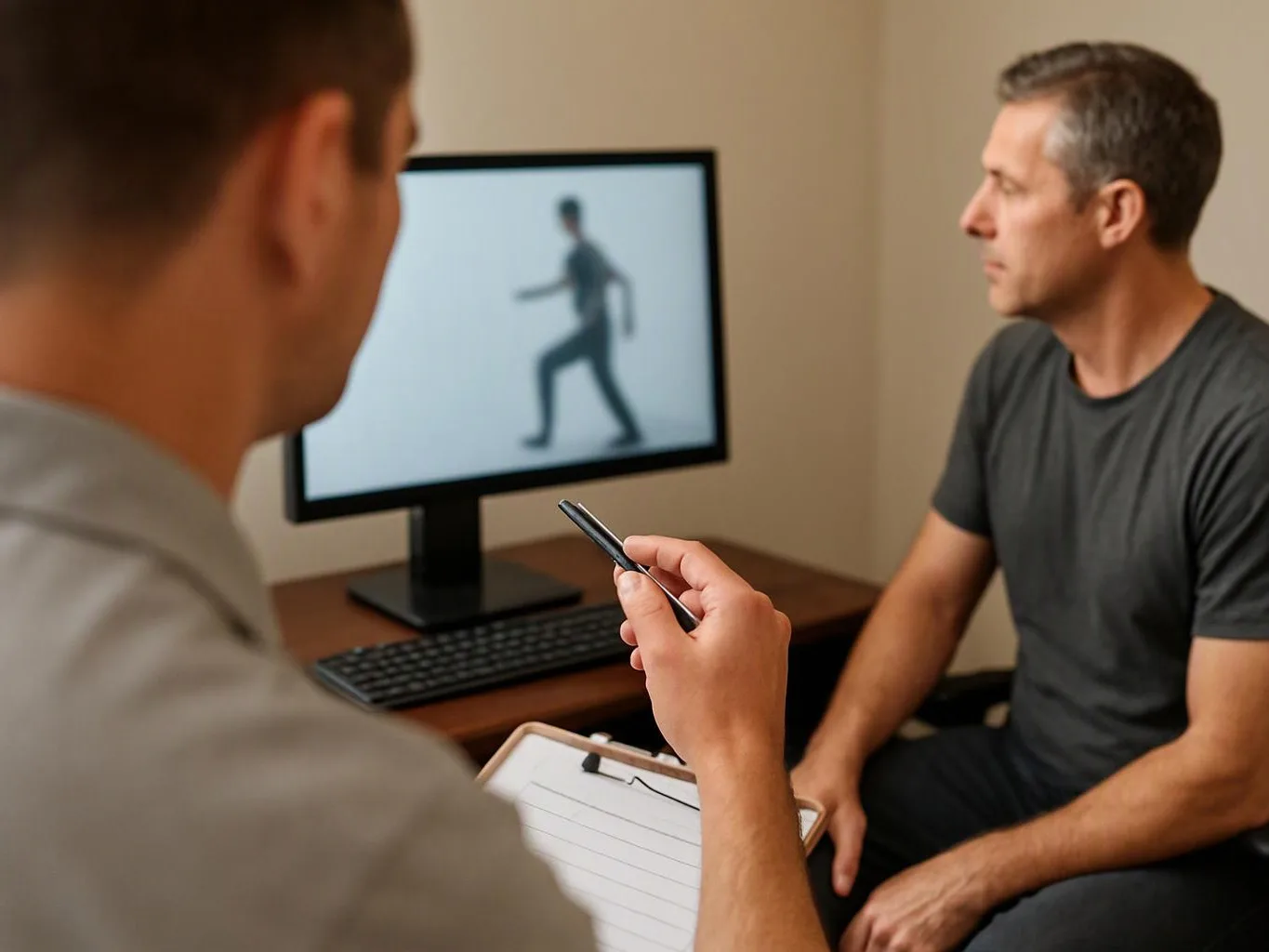
Two men sit in a room, one holding a pen and clipboard while the other watches a computer screen with a walking figure

Service Overview

Herniated disc treatment is a chiropractic care process that assesses disc-related symptoms and guides a personalized treatment plan.

  • This care differs from general wellness visits because it focuses on a specific disc concern, related nerve signs, and functional movement.
  • Arrowhead Clinic - Lithia Springs provides this care for people seeking chiropractic treatment in East Point.

What Herniated Disc Care Includes

Here's what you get:

  • The consultation covers your symptoms, health history, and daily movement concerns.
  • Movement testing checks how the spine and related joints respond to guided motion.
  • Reflex testing helps assess signs linked to nerve function.
  • Imaging review considers available scans or reports alongside the examination findings.
  • The report of findings explains the care options that fit the assessment.
  • A personalized treatment plan outlines the next steps for chiropractic care.

What You Get From This Disc Assessment

Findings before treatment planning

The examination starts with movement and reflex checks, so the plan responds to your findings. Chiropractic care is the wrong fit when symptoms require urgent medical assessment or another type of provider.

Plain explanations before care

We explain the report of findings and the proposed approach before treatment begins. You can ask about techniques, expected care steps, and how progress will be reviewed.

Care shaped around function

The plan considers how back pain, sciatica, or weakness affects daily movement. That focus helps connect treatment choices with the activity you want to manage.

Process

How We Assess a Herniated Disc

1

Review symptoms and health history

We discuss pain, numbness, weakness, daily limits, and relevant health history during the new patient intake.

2

Check movement and function

Movement testing examines how guided motion affects the spine, legs, and reported symptoms.

3

Test reflex responses

Reflex testing adds information about nerve function and helps place the symptoms in context.

4

Review available imaging

We review available imaging reports or scans when they help explain the findings.

5

Explain the care options

The report of findings explains whether chiropractic treatment fits and what the proposed plan involves.

6

Review progress

Follow-up assessment checks changes in movement and symptoms as care continues.

What This Disc Care Helps You Decide

A focused assessment connects your symptoms with measurable movement and reflex findings.

Imaging review gives the care discussion more context when records are available.

Clear explanations help you understand why a treatment approach may fit your needs.

A personalized plan gives you defined next steps for chiropractic care.

Follow-up review can show how your movement and symptoms respond to care.

Regular maintenance may support movement goals after the main concern is addressed.

Disc Assessment Components Compared

Each assessment component answers a different question about symptoms and function.

Assessment componentWhat it checksHow it guides care
Movement testingGuided motion and symptom responseShows how function relates to the reported concern
Reflex testingResponses linked to nerve functionAdds clinical context to the care decision
Imaging reviewAvailable scans or imaging reportsPlaces imaging findings beside examination results

The Arrowhead Clinic - Lithia Springs Standard

  • Tailored Adjustments
  • Spinal Decompression
  • Integrated Therapies
  • Pain And Injury Care

Questions About Herniated Disc Care

How is a herniated disc evaluated?

Neurological examination evaluates a herniated disc through movement testing, reflex testing, symptom review, and imaging review. The assessment also considers daily activity limits and related nerve symptoms. Individual response differs, so the care plan follows the examination rather than a preset approach.

What should be checked before treatment is scheduled?

A symptom history, movement check, reflex check, and available imaging should be reviewed before care is planned. We also discuss your health history and daily limits. These details help identify whether chiropractic care suits the concern. Bring relevant records when available, and ask questions during the report of findings.

Who is a good fit for this type of care?

People with disc-related back pain, sciatica, or movement limits may fit this type of chiropractic care. The consultation decides whether the findings support treatment. Symptoms that need urgent medical assessment require another healthcare service. We explain that distinction before care begins.

What happens during the first appointment?

The first appointment includes a new patient intake, health history review, examination, and discussion of your symptoms. The visit may include movement testing, reflex testing, and imaging review when records are available. We then explain the report of findings and possible next steps. Appointment details should be confirmed with the clinic.

Which records should I bring to the consultation?

Imaging reports, relevant health records, and a list of current concerns can help the consultation. These records give the examination more context, but the assessment still includes your history and movement findings. Contact the clinic before your visit if you need guidance about available records.

When should I ask about another type of care?

Another type of care may be needed when the examination shows concerns outside chiropractic treatment. Our team explains when the findings do not support the planned approach. Share changes in pain, weakness, numbness, or function during the visit so the care decision reflects your current condition.

Why does imaging review matter for disc-related pain?

Imaging review matters because scan findings can add context to the history and examination. A report does not replace movement and reflex checks. We compare available imaging with your symptoms and function before discussing a personalized treatment plan.
Contact

Discuss Herniated Disc Care in East Point

Are you unsure how your symptoms should be assessed?

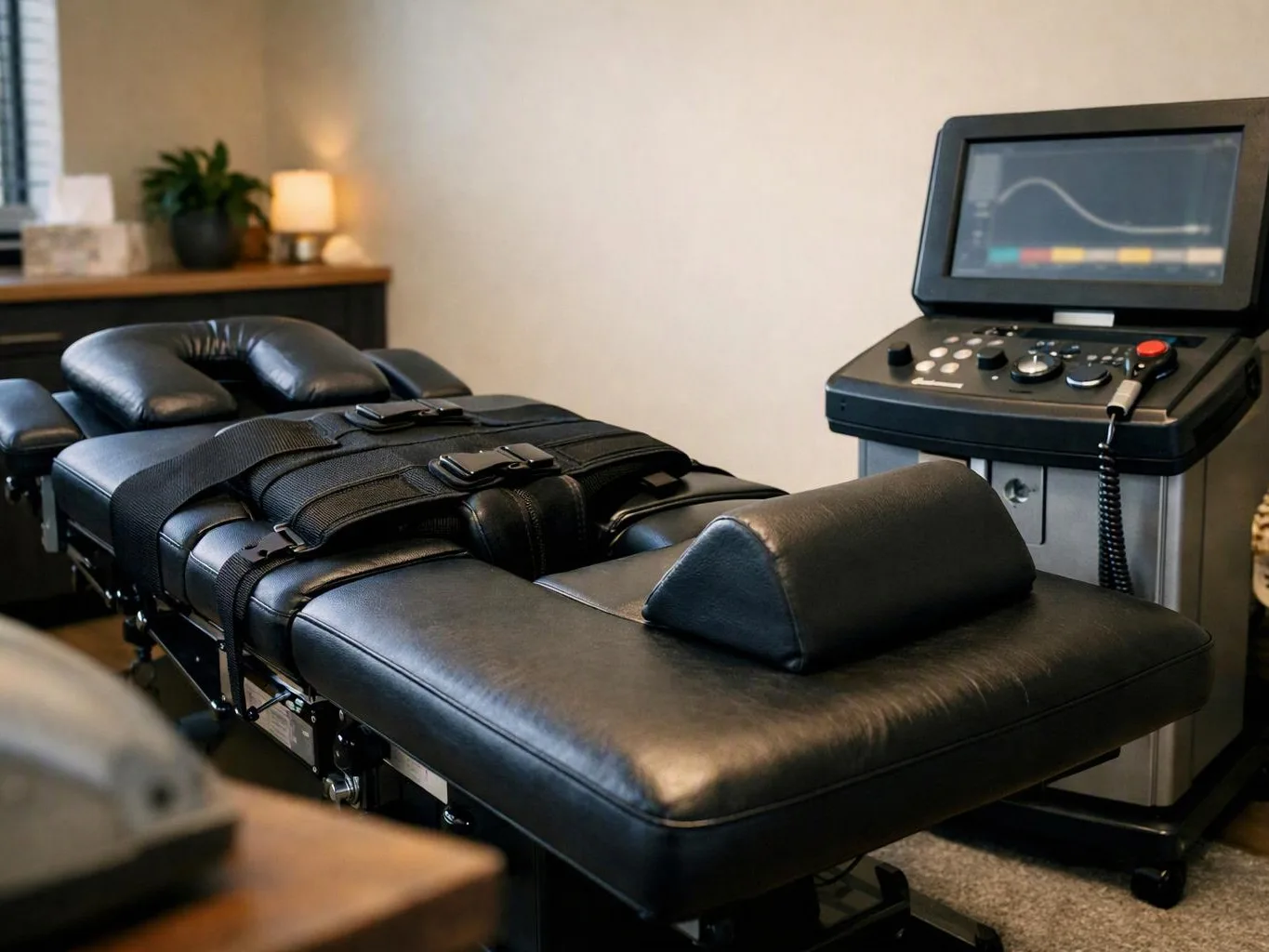
A black padded treatment table sits beside a control console in a quiet room

Herniated Disc Treatment in Other Areas

The health and wellness information on this website is for general informational purposes only and is not medical advice. It does not create a provider-patient relationship. Individual results vary.

(770) 501-7716