Chiropractic Adjustment Techniques: What Are the Options?
Chiropractic adjustment techniques include manual manipulation, mobilization, instrument-assisted adjustment and the Activator Method; Arrowhead Clinic - Lithia Springs evaluates your needs and selects an appropriate approach.
Request an Estimate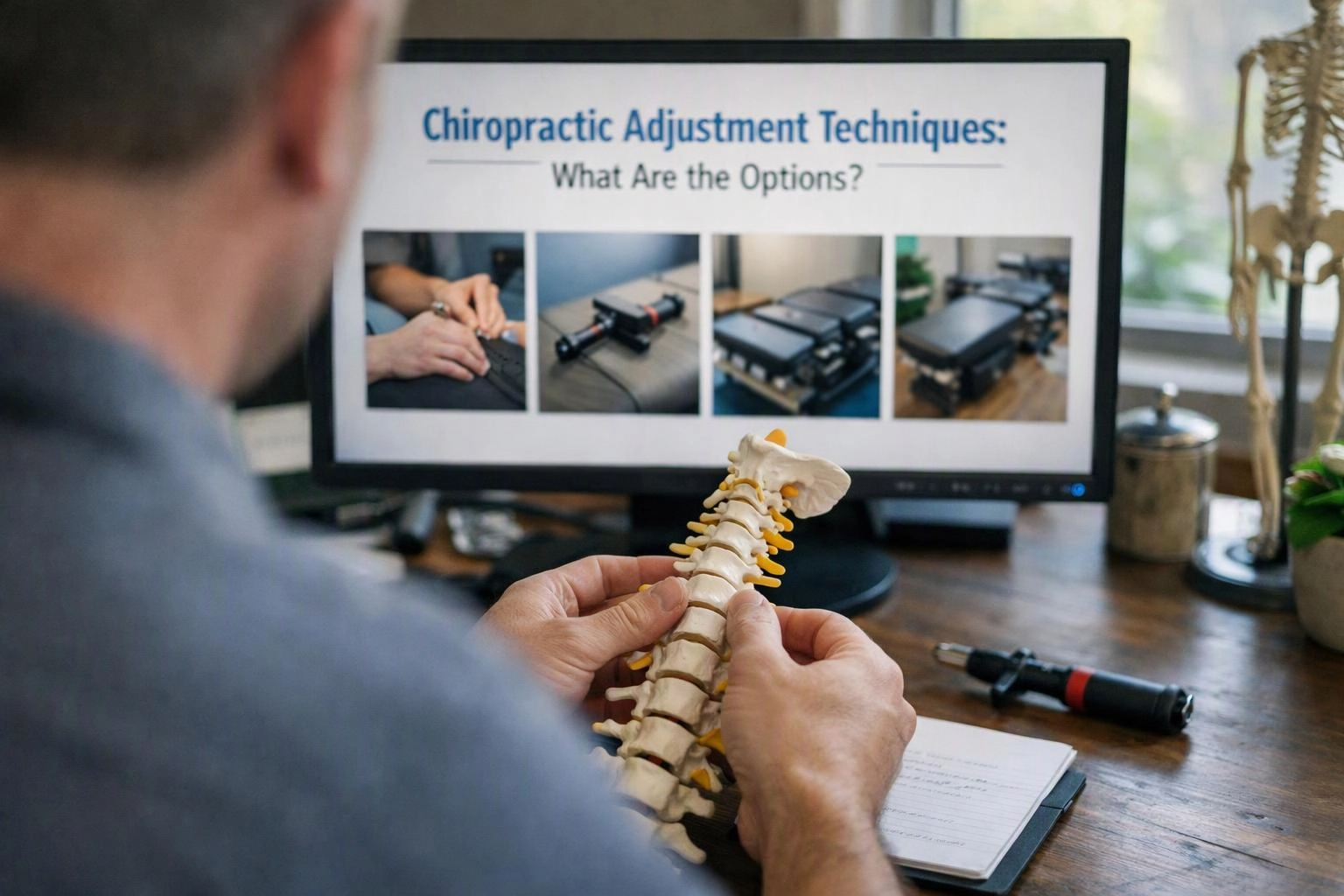
What Are Chiropractic Adjustment Techniques?
Chiropractic adjustment techniques are hands-on or instrument-assisted methods that apply controlled force or movement to a joint to support spinal mobility and function. Arrowhead Clinic - Lithia Springs reviews the treatment area and chooses an approach that fits your needs.
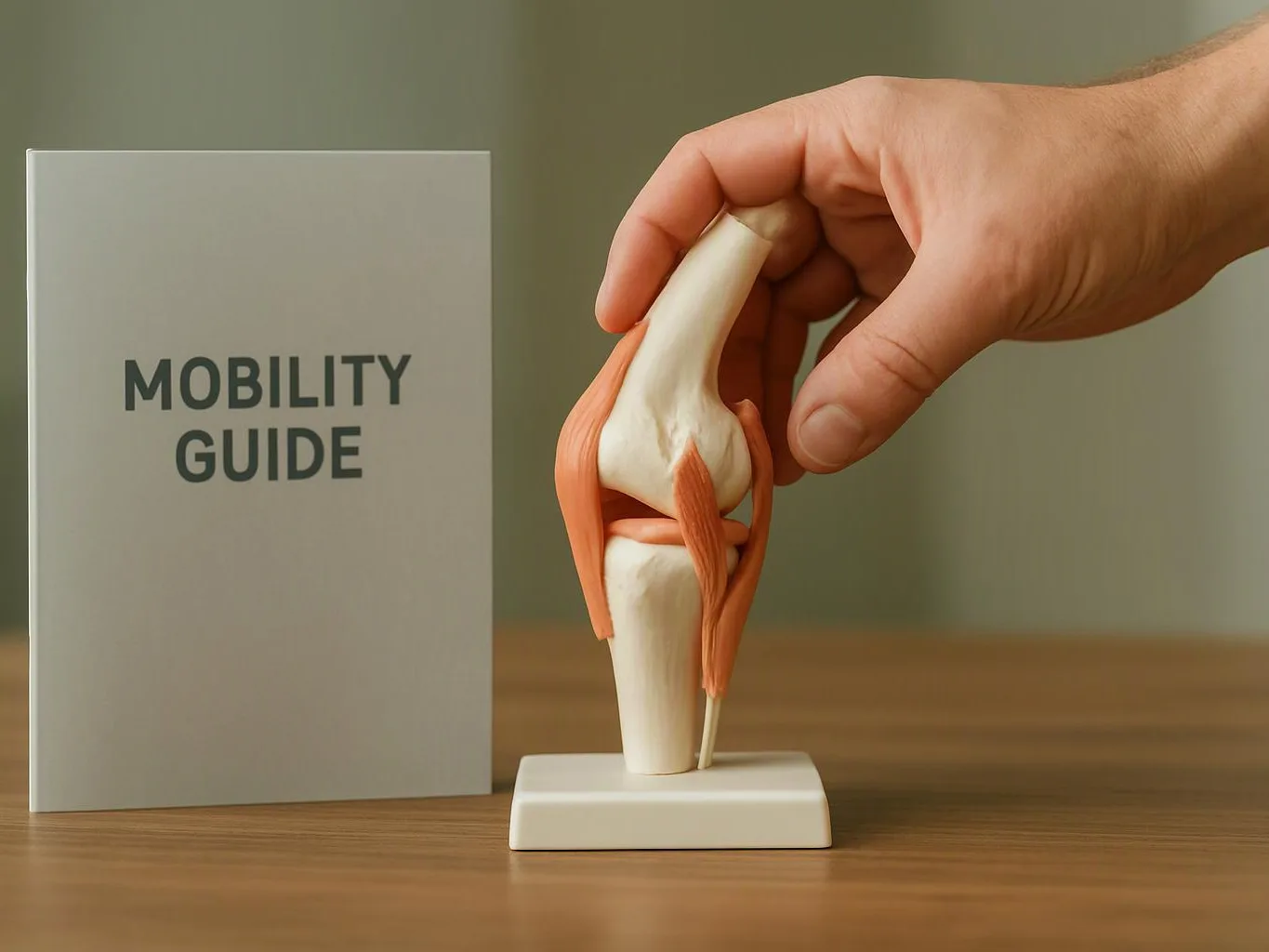
A spinal joint connects vertebrae and allows movement through the spine. Spinal manipulation uses a directed movement, while mobilization uses slower or gentler motion to support joint movement and range of motion.
Which Chiropractic Adjustment Techniques Are Available?
The main chiropractic adjustment options differ by the amount, direction and delivery of force used to move a joint. We explain the available treatment approach after reviewing your health history and the area being evaluated.
| Technique | How it is delivered | When it may be considered |
|---|---|---|
| Manual adjustment | Hands-on controlled force directed at a spinal joint | When a specific joint movement needs to be addressed |
| Spinal manipulation | A controlled thrust through a joint's available movement | When a directed manual technique suits the findings |
| Spinal mobilization | Slower, repeated or gentler joint movements | When gradual motion or lower-force care is appropriate |
| Activator Method | A handheld adjusting instrument delivers a targeted impulse | When an instrument-assisted approach fits the treatment area |
| Instrument-assisted adjustment | A device applies force to a selected area | When targeted force supports patient comfort and clinical needs |
| Drop-table technique | A section of a drop table moves with the adjustment | When table-assisted movement is suitable for the area |
| Flexion-distraction | The table and hands guide controlled spinal motion | When guided movement fits the examination findings |
These techniques are not ranked from best to worst. Our team considers joint mobility, spinal movement, patient comfort and your treatment preference before selecting an option.
How Do Spinal Manipulation and Mobilization Differ?
Spinal manipulation uses a controlled, usually quicker thrust, while spinal mobilization uses slower or gentler movements through a joint's available range. Both methods aim to support joint movement and range of motion.
Manipulation may involve a more directed force through a spinal joint. Mobilization may use repeated movement within the available range without the same type of thrust. We select the manual technique based on our physical examination and your comfort.
What Is the Activator Method?
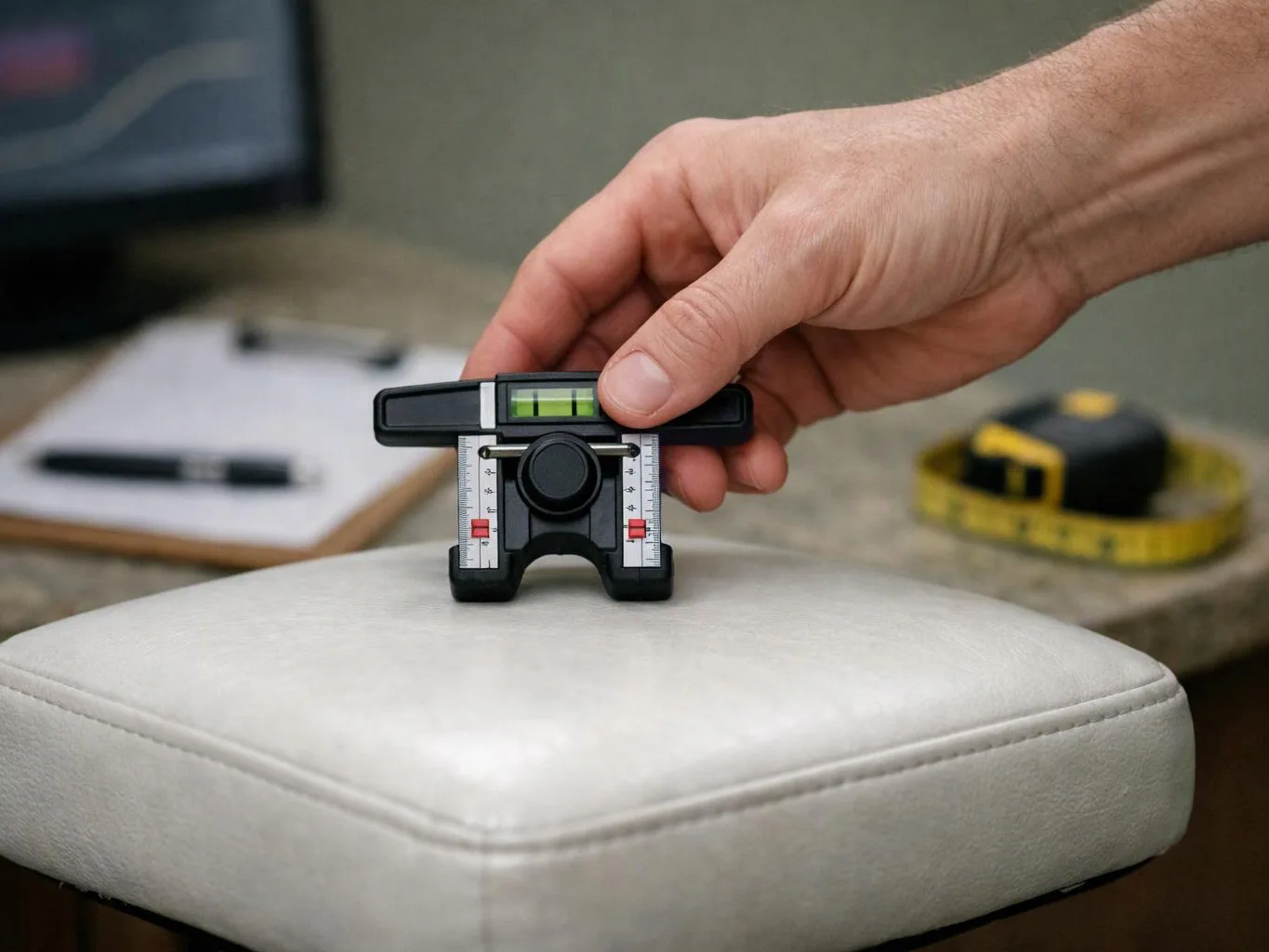
The Activator Method is an instrument-assisted adjustment approach that uses a handheld device to deliver a targeted impulse to a specific area. The Activator adjusting instrument lets us direct force without using the same hand-applied motion as a manual adjustment.
Our team considers the treatment area, joint movement and patient preference before recommending this low-force technique. The instrument does not make the method right for every person or every spinal joint.
Is an Instrument-Assisted Adjustment Gentler Than a Manual Adjustment?
Yes, an instrument-assisted adjustment can feel gentler than a manual adjustment because the instrument delivers a targeted impulse without the same hand-applied motion. Suitability still depends on the area and the patient's needs.
Manual adjustment gives our team direct control through the hands, while an instrument delivers force in a focused way. We discuss patient comfort and treatment preference before choosing either approach.
When Can Manual Adjustment and Mobilization Work Together?
Manual adjustment and spinal mobilization can work together when our team needs to improve joint movement progressively or address different movement needs during care. We may change the sequence as the joint responds.
These approaches can support different parts of the same care plan. Our team uses the examination findings and your comfort to guide the treatment progression.
How Does Our Team Choose an Adjustment Technique?
Our team chooses a chiropractic adjustment technique after reviewing your health history, examining movement and considering the area's needs and your preferences. Arrowhead Clinic - Lithia Springs uses those findings to shape an appropriate care plan.
Each step helps us match the force, direction and delivery method to the person and treatment area. We also reassess your response so the approach can change when appropriate.
What Should You Ask Before a Chiropractic Adjustment?
Before a chiropractic adjustment, ask which technique we recommend, what the technique involves and how we will adapt care to your health history and comfort. Clear patient communication helps you understand the proposed treatment approach.
Our team welcomes questions before we begin. You can use these prompts during your Free Consultations or before a recommended care plan.
Questions About Chiropractic Adjustment Techniques
Does every chiropractic adjustment involve a cracking sound?
No, every chiropractic adjustment does not involve a cracking sound. Arrowhead Clinic - Lithia Springs may use mobilization or an instrument-assisted approach that does not create the same sound as some manual techniques.
Can I request a low-force chiropractic adjustment?
Yes, you can request a low-force chiropractic adjustment. We will discuss your preference, review your health history and select an approach that also fits the examination findings.
How does a chiropractor know which adjustment technique to use?
A chiropractor chooses an adjustment technique by reviewing your health history, completing a physical examination and assessing spinal movement, joint function and patient comfort. We use these findings and your treatment preference to select the approach.
Are chiropractic adjustment techniques appropriate for everyone?
No, chiropractic adjustment techniques are not automatically appropriate for everyone or every treatment area. We review your health history and examination findings before recommending a technique, and we modify the approach when needed.
Chiropractic adjustment options should match your health history, movement needs and comfort. Arrowhead Clinic - Lithia Springs can review your concerns, explain the available techniques and help you understand the recommended care plan.
Contact us to arrange one of our Free Consultations.
Contact Arrowhead Clinic - Lithia Springs