How Massage Therapy and Chiropractic Care Can Work Together
Massage therapy and chiropractic care work together by addressing muscle tension and joint movement in a coordinated plan, which Arrowhead Clinic - Lithia Springs can organize around your needs.
Request an Estimate
How Massage Therapy and Chiropractic Adjustments Differ
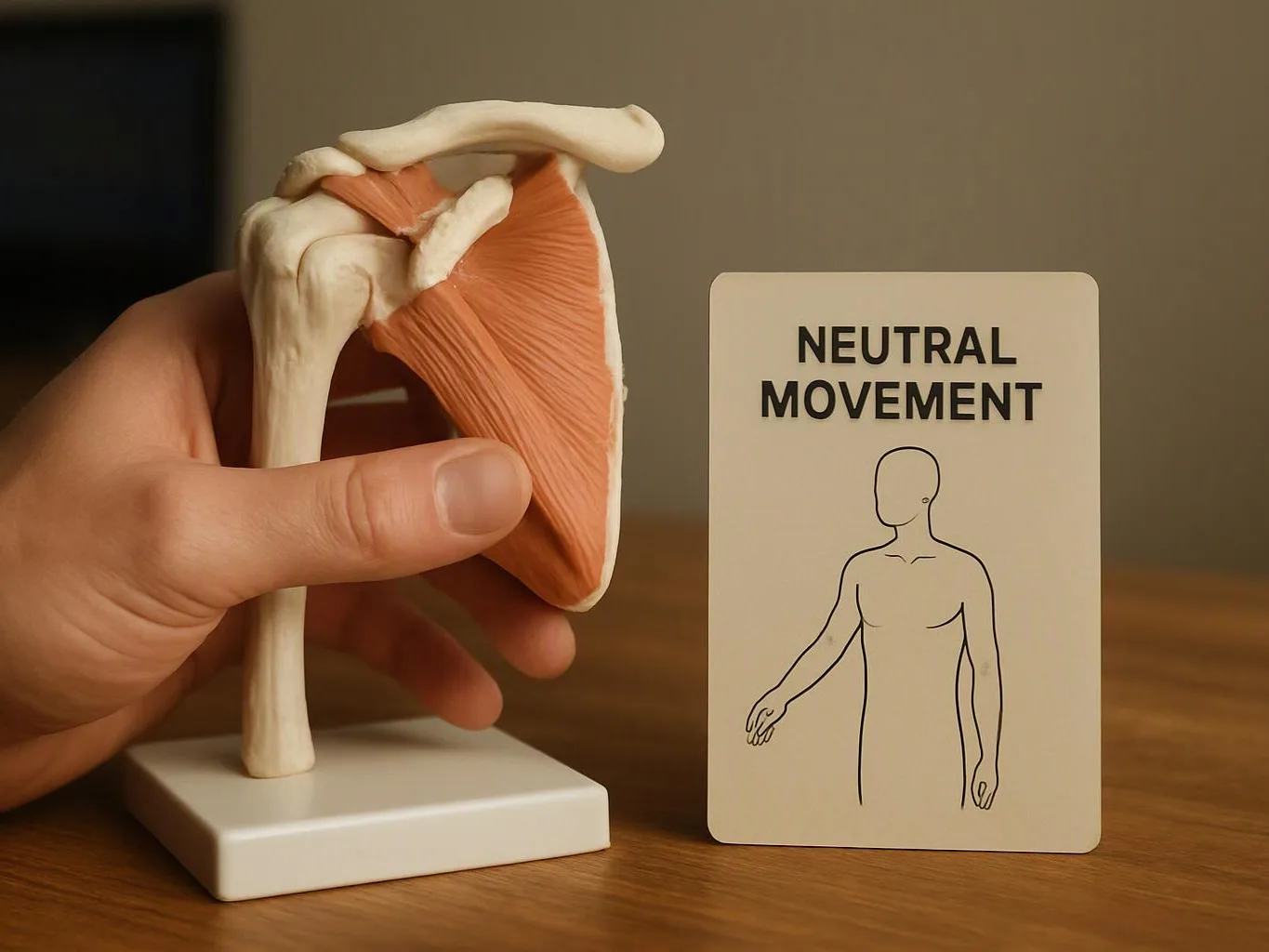
Massage therapy is a manual therapy that works with muscles and other soft tissue to address areas of tension. The work may support muscle relaxation, comfort, and range of motion.
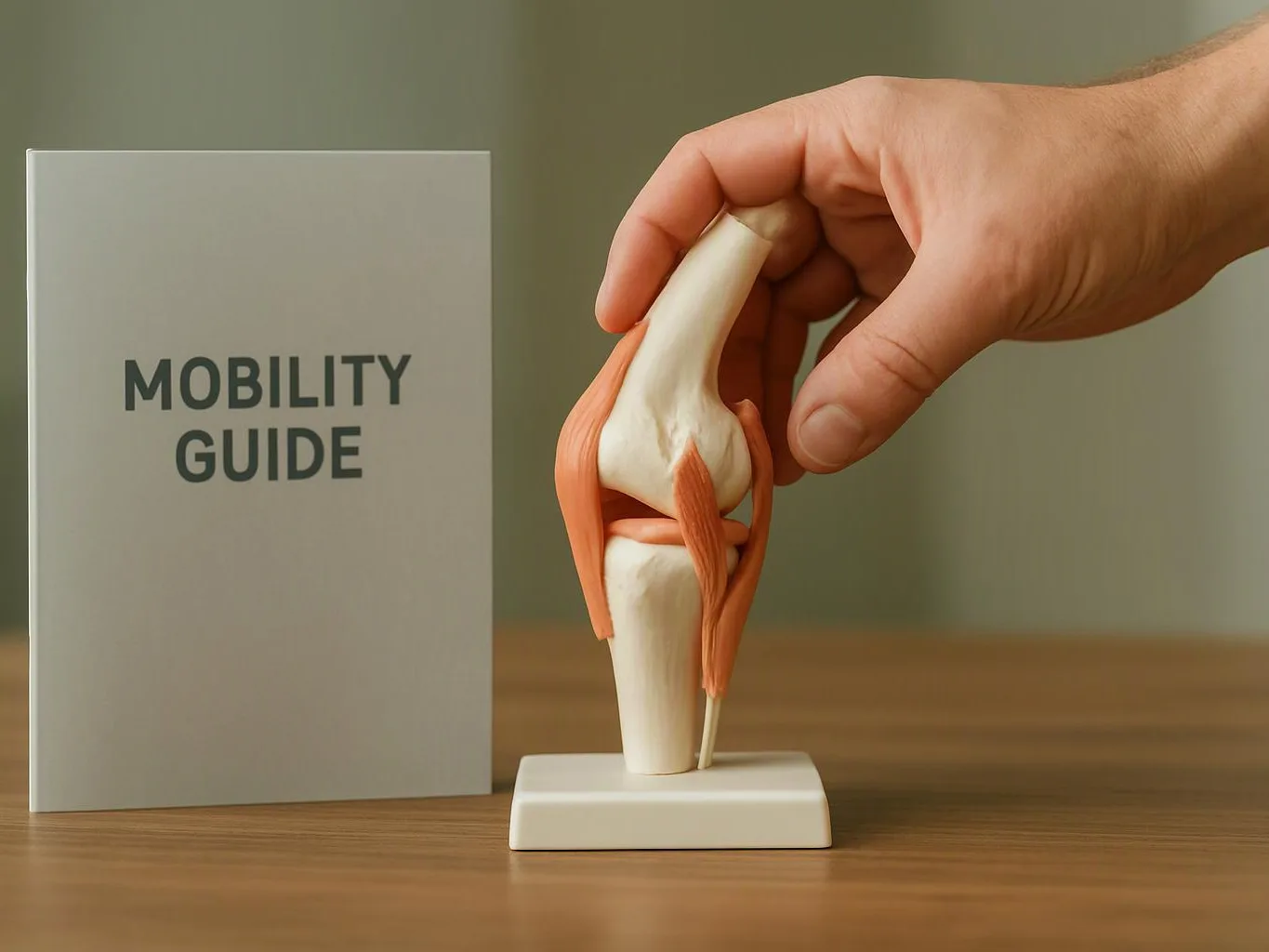
A chiropractic adjustment uses a focused manual technique to support movement in the joints, including areas of the spine. We assess how the joints, muscles, and surrounding soft tissue move together before selecting an approach.
Massage therapy focuses mainly on soft tissue, while chiropractic care focuses mainly on joint movement and spinal mechanics. Both services can support movement, but the treatment method and clinical goal may differ.
Our team can also coordinate Massage Therapy with chiropractic care when the assessment shows that both services address the same functional concern.
When Both Services May Support the Same Care Plan
Massage therapy and chiropractic care may be useful together when muscle tension and joint movement limitations affect the same area or contribute to the same functional concern.
We consider the full movement pattern instead of focusing on muscle tension or joint stiffness in isolation.
How Massage Therapy and Chiropractic Care Work Together
Soft-tissue treatment may help reduce muscle guarding so that movement can be assessed more clearly. Chiropractic care then addresses the joint and spinal movement findings that relate to the person’s symptoms.
We use a musculoskeletal assessment to look at posture, movement, joint mobility, and the way muscles respond during motion. These findings guide care coordination and help us choose a treatment sequence that fits the person’s goals.
Combined care does not mean that every person needs both services. Our team coordinates treatment only when the assessment shows that the services support the same care plan.
What Each Service Contributes
Each service contributes a different form of movement support, so we match the service to the finding and the treatment goal.
- Massage therapy addresses muscle tension, soft-tissue sensitivity, and muscle relaxation.
- Chiropractic adjustment supports joint mobility and focused movement in the spine or other joints.
- Combined care can connect muscle relaxation with movement support when both factors affect function.
- Follow-up assessment helps us review the person’s symptom response and adjust the plan.
Should Massage Come Before or After a Chiropractic Adjustment?
The best sequence depends on the person’s muscle tension, joint mobility, treatment goals, and response to each service, so we coordinate the order during care planning.
Massage may come first when muscle tightness limits comfortable movement or makes the area feel guarded. A chiropractic adjustment may come first when the main concern involves joint motion and the person tolerates that approach well.
Individual response also matters. We review how the body responds during and after care so the treatment sequence remains appropriate.
Can You Receive Massage Therapy and a Chiropractic Adjustment on the Same Day?
Massage therapy and a chiropractic adjustment can occur on the same day when the combined plan is appropriate for the person’s symptoms, treatment goals, and tolerance.
Same-day care may fit when both services address one related movement concern and the person can tolerate the session sequencing. We consider symptom intensity, treatment area, muscle readiness, and the expected response to care.
Our team may separate the services when combining them would not fit the person’s treatment goals or treatment tolerance. The care plan determines whether same-day treatment is suitable.
Ways Combined Care Can Affect Your Treatment Plan
Combined care may involve sequencing the services, coordinating treatment areas, adjusting visit frequency, or bundling related services according to the care plan; the cost depends on the services selected and the details of the plan.
We explain how the selected services fit together before care begins. An exact quote depends on the services chosen, the treatment areas, and the session plan.
How We Plan Massage Therapy and Chiropractic Care Together
Arrowhead Clinic - Lithia Springs plans combined care by reviewing your health history, symptoms, movement, and treatment goals.
When to Ask About Combined Musculoskeletal Care
Combined musculoskeletal care may be worth discussing when persistent discomfort, limited movement, muscle tightness, or joint stiffness continues to affect function.
We reassess the care plan when symptoms change, movement remains restricted, or the response to one service does not address the full concern. A fresh movement assessment can show whether soft tissue, joints, or both need attention.
Contact Arrowhead Clinic - Lithia Springs to discuss your symptoms and treatment goals with our team.
Questions About Massage and Chiropractic Care Together
Is massage therapy good for preparing for a chiropractic adjustment?
Massage therapy may help prepare muscles for a chiropractic adjustment when muscle tension or guarding limits comfortable movement. Arrowhead Clinic - Lithia Springs reviews muscle readiness and joint mobility before deciding whether massage should come first.
Can massage therapy help with muscle tension after chiropractic care?
Massage therapy may support muscle relaxation after chiropractic care when lingering muscle tension fits the person’s care plan. The next service depends on symptom response, treatment goals, and tolerance.
How do you know whether combined massage and chiropractic care is appropriate?
Combined massage and chiropractic care is appropriate when the assessment connects soft-tissue tension and joint movement limits to the same functional concern. We review health history, symptoms, movement, treatment goals, and treatment tolerance before coordinating care.