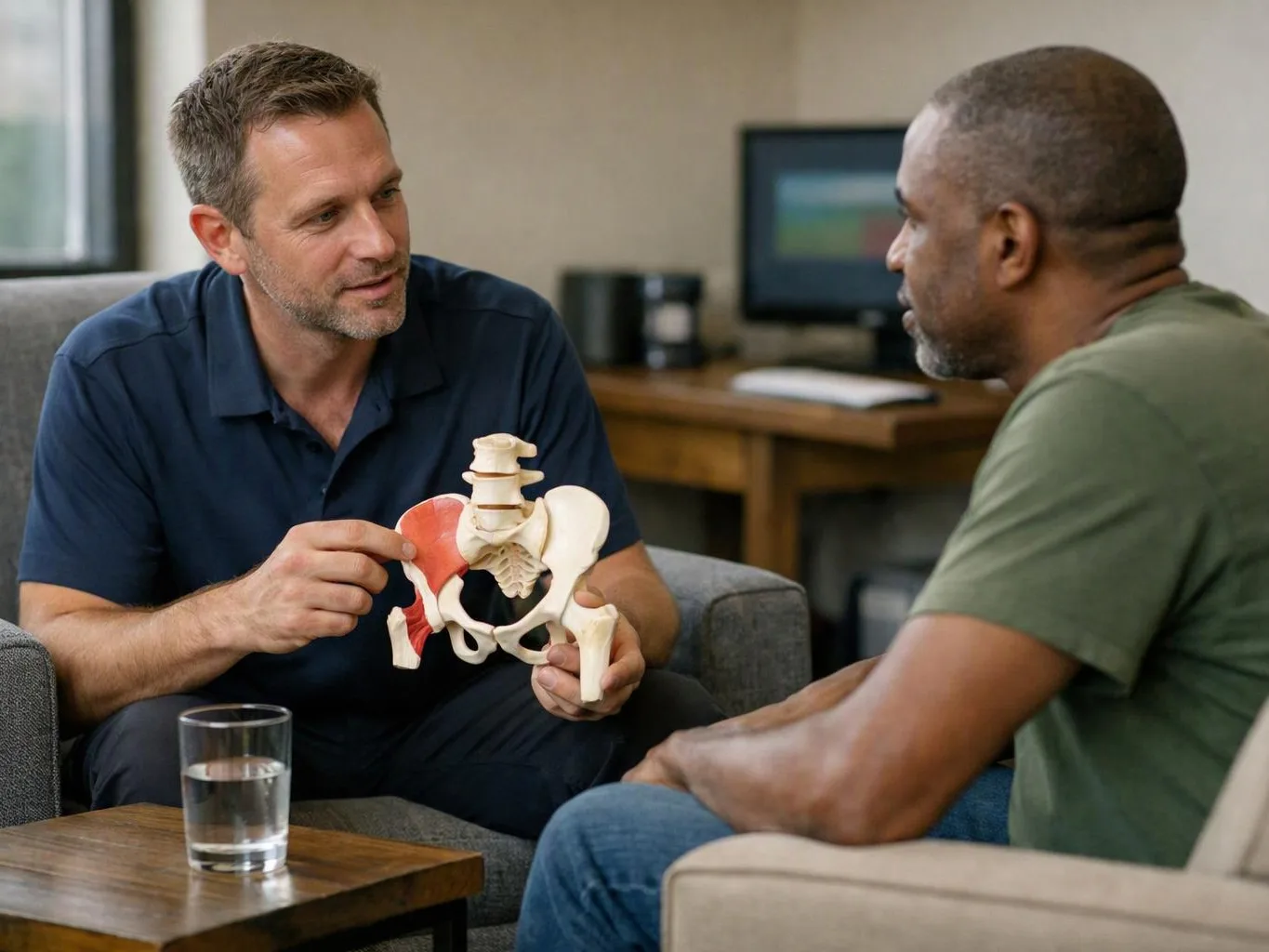
How Progress in Chiropractic Care Can Be Evaluated
Chiropractic care progress is measured by comparing pain, range of motion, physical function, examination findings, and personal goals over time; Arrowhead Clinic - Lithia Springs reviews these changes to guide adjustments and therapeutic exercise.
Request an Estimate
What Does Progress With Chiropractic Care Look Like?
Chiropractic care progress means measurable improvement in symptoms, movement, daily function, examination findings, or the goals established for care.
Progress may include less pain, less stiffness, better range of motion, or improved control during movement. We also consider whether you can complete important daily activities with greater comfort and confidence.
Our clinical examination helps connect your reported changes with physical findings. Arrowhead Clinic - Lithia Springs reviews these findings with you so our team can adjust care to match your patient goals.
Which Changes Should You Track Between Visits?
Tracking symptoms between visits gives our team useful information about your response to care. Record changes in the areas that matter most to your daily life.
Simple notes can show patterns that are difficult to recall during an appointment. Include what improves, what worsens, and which activities affect your comfort.
How Do Chiropractors Measure Treatment Progress?
Chiropractors measure treatment progress by comparing reported symptoms, movement, physical findings, and functional abilities with the baseline assessment and care goals.
We begin with your patient history and symptom review. We ask how symptoms affect work, sleep, exercise, and other daily activities.
Our team may use range-of-motion testing, postural assessment, movement assessment, and neurological examination. These findings help us evaluate movement quality, mobility, strength, and changes in clinical findings.
Patient feedback remains central to the process. We compare your treatment response with your functional goals and use the results to guide treatment planning and care plan adjustment.
What Does Range-of-Motion Testing Measure?
Range-of-motion testing measures how freely a joint or spinal region moves and whether pain, stiffness, or control changes during that movement.
We observe joint mobility, movement restriction, and pain during movement. We also look at whether the movement is smooth and useful for a functional task.
A change in range of motion can support improvement monitoring, but it is only one part of a complete outcome assessment. We consider it with symptoms, strength, balance, and physical function.
When Do Chiropractic Adjustments and Therapeutic Exercises Work Together?
Chiropractic Adjustment and Therapeutic Exercise work together when care needs both joint movement support and active muscle control.
These services may be combined when symptoms affect movement, strength, or tolerance for daily tasks. Our team selects services according to your examination findings and care goals.
How Do Adjustments and Exercises Support the Same Progress Goals?
Chiropractic adjustments and therapeutic exercises work together by addressing joint movement and active movement control, while the care plan and services selected determine the overall cost.
We may use a care sequence that begins with an adjustment and follows with guided movement. This approach can help you practice movement while focusing on control and tolerance.
Home exercise supports movement retraining between visits. We use your feedback and examination findings to decide which activities fit your treatment planning.
Care costs depend on the services selected, the scope of the care plan, and the type of follow-up needed. We explain what the recommended care includes and provide an exact quote through our team.
How Often Should Chiropractic Outcomes Be Assessed?
Chiropractic outcomes should be assessed at clinically appropriate review points and whenever symptoms, function, or treatment response changes.
We review the symptom trend, functional progress, and patient feedback during care. The timing of a care plan review depends on your baseline findings, goals, and response to treatment.
Contact our team when a new symptom appears, an existing symptom changes, or an activity becomes harder. We use that information to decide whether your plan needs adjustment.
What Should You Do If Progress Stalls or Symptoms Change?
Progress that stalls or symptoms that change call for communication and treatment reassessment. Do not wait for a routine visit if a new or concerning symptom needs attention.
Questions About Measuring Chiropractic Progress
Can pain improve before mobility improves with chiropractic care?
Yes, pain can improve before mobility changes with chiropractic care. Arrowhead Clinic - Lithia Springs tracks pain along with range of motion, movement quality, and daily function so care decisions reflect the full response.
What should I record before a chiropractic appointment?
Record changes in pain, stiffness, movement, sleep, and daily activities before a chiropractic appointment. Include the activities that improve or worsen symptoms and any change in your treatment goals.
What happens when chiropractic treatment is not improving my function?
When chiropractic treatment is not improving your function, our team reviews your symptoms, examination findings, treatment response, and care goals. We may modify the care plan or discuss referral considerations when appropriate.
Can progress be measured without relying only on pain levels?
Yes, progress can be measured through range of motion, strength, mobility, movement quality, physical function, clinical findings, and patient goals. Pain tracking remains useful, but it is one part of a broader outcome assessment.
Chiropractic care progress becomes clearer when symptom changes, movement findings, daily function, and personal goals are reviewed together. Contact Arrowhead Clinic - Lithia Springs to discuss your symptoms and request an evaluation of your care needs.
Related Resources
First Chiropractic Appointment Checklist: What to Bring and Expect
What's RequiredAuto Accident Chiropractic Checklist: Documents and Information to Bring
Brand vs BrandChoosing a Chiropractor in Lithia Springs: What to Compare
Brand vs BrandChoosing a Chiropractor for a Work-Related Injury