Posture Correction: Assessment, Movement, and Chiropractic Care
Posture correction combines movement assessment, therapeutic exercises, and chiropractic adjustments; Arrowhead Clinic - Lithia Springs uses these services to guide individualized care for posture-related concerns.
Request an Estimate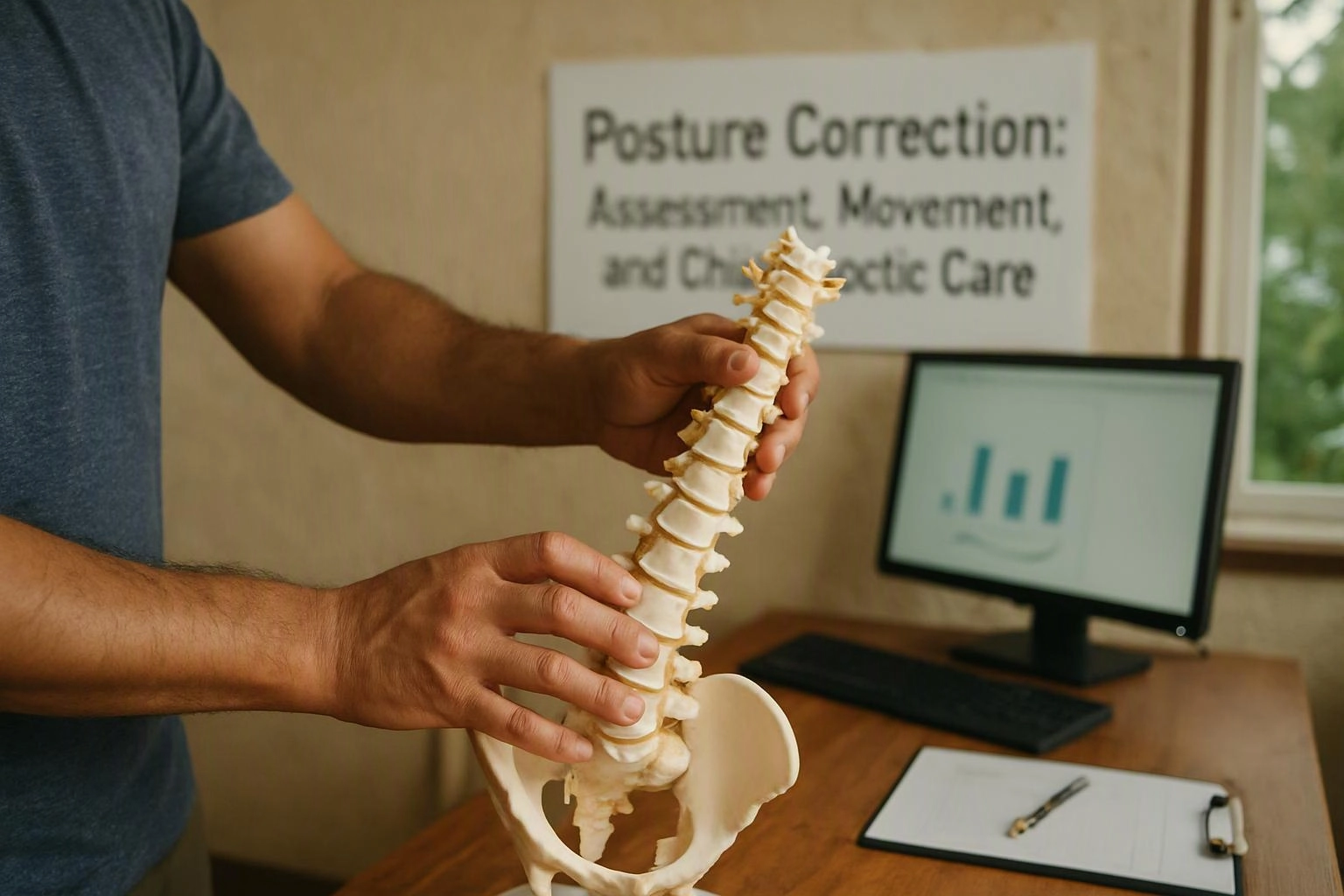
Can a Chiropractor Help With Posture?
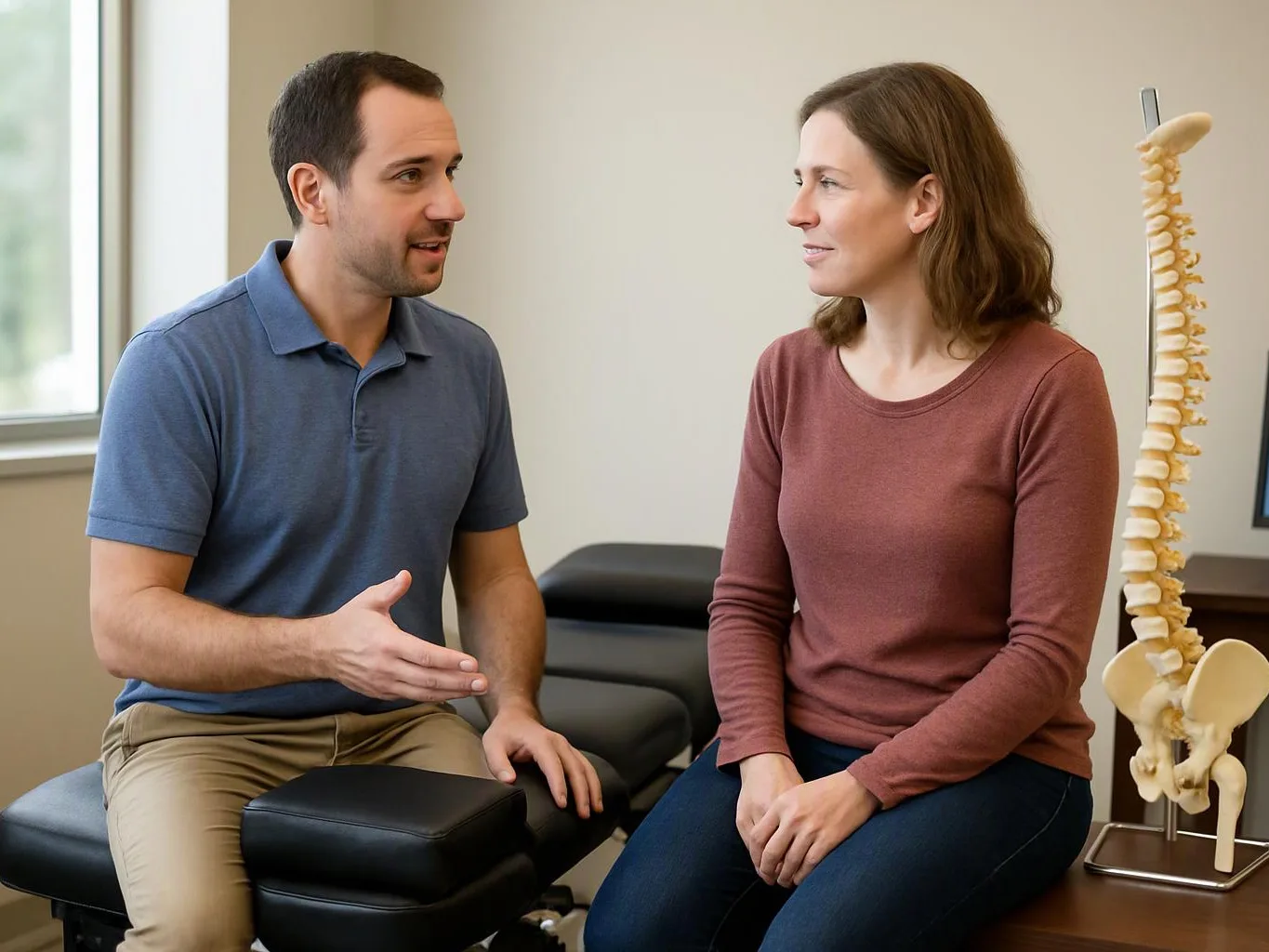
Yes, chiropractic care can help address posture-related movement restrictions and support improved body awareness when paired with appropriate exercises. Arrowhead Clinic - Lithia Springs uses posture correction to review movement habits, joint function, and spinal alignment.
Posture concerns can involve the head position, shoulder position, pelvic alignment, and the way the spine moves during daily tasks. We use this information to guide an individualized care plan that supports posture improvement and comfortable movement.
Our approach may include Posture Correction, movement guidance, and home exercises. Care is adjusted to the person’s findings instead of relying on one posture goal for everyone.
What Happens During a Posture Assessment?
A posture assessment examines alignment, mobility, muscle balance, and movement patterns to identify factors that may contribute to discomfort or inefficient movement.
We begin with a posture evaluation that considers spinal alignment, joint mobility, muscle balance, and functional movement. We also observe how the body moves during simple tasks because still posture does not show every movement restriction.
The assessment can help us connect posture-related discomfort with repeated habits, limited flexibility, reduced coordination, or changes in motor control. These findings help shape the next steps in care.
When Do Posture Correction and Exercises Work Best Together?
Posture correction and exercises work best together when movement habits and physical restrictions both contribute to the concern. We may combine them in situations such as these:
Our team matches exercise selection to the movement assessment. We also explain how to use the exercises during work, exercise, and other daily activities.
How Do Chiropractic Adjustments and Exercises Work Together?
Chiropractic adjustments and therapeutic exercises work together by addressing joint movement while building the strength, control, and habits that support ongoing posture changes.
A chiropractic adjustment is used within the care plan to address specific joint movement findings. Therapeutic exercise then helps develop mobility, strength, flexibility, and motor control through active movement.
We may use home exercise to reinforce the work between visits. The goal is to help the body practice comfortable movement so posture changes become part of daily habits.
Exercise selection can include spinal mobility exercise, core stability exercise, muscle activation, or coordination work. We explain each exercise and modify it when movement quality or comfort changes.
What Is the Usual Care Sequence for Posture Correction?
Posture correction usually follows a sequence that connects assessment findings with care planning, movement work, and progress review.
We keep the sequence focused on the person’s goals and response to care. The plan can emphasize desk ergonomics, exercise technique, or daily movement when those factors affect progress.
What Can Desk Workers Do About Posture-Related Discomfort?
Desk workers can reduce posture-related strain by changing positions regularly, adjusting the workstation, and practicing exercises that support comfortable movement.
Desk ergonomics starts with a workstation setup that allows a comfortable head position, relaxed shoulders, and supported sitting posture. We help connect these adjustments with the person’s movement assessment instead of treating the desk as the only cause.
Movement breaks can interrupt repeated sitting and reduce neck tension or back discomfort. You can stand, walk briefly, change your sitting position, or perform the home exercises we recommend when they feel comfortable.
Our team also looks at ergonomic habits outside the workstation. Phone use, driving, lifting, and exercise can all affect movement patterns and body awareness.
What Changes the Cost of Combined Posture Care?
The cost of combined posture care depends on the assessment findings, services included, care-plan complexity, and exercise guidance; Arrowhead Clinic - Lithia Springs offers Free Consultations and provides an exact quote after discussing the recommended care.
A posture assessment may involve different clinical considerations than follow-up movement guidance. Chiropractic adjustment and therapeutic exercise can also vary by the needs identified during the evaluation.
We explain what the recommended care includes before you decide. To obtain an exact quote, contact our team so we can discuss the assessment, adjustment needs, exercise instruction, and home exercise plan.
How Do the Two Services Support a Posture Correction Plan?
Chiropractic adjustment and therapeutic exercise support one posture correction plan by linking joint care with active movement practice.
Combining the services can make the plan more complete because each part addresses a different movement need. We explain how the pieces fit together so you can apply the guidance during daily activities.
When Should Posture Concerns Be Assessed?
Posture concerns should be assessed when discomfort, limited mobility, or repeated movement strain continues during work, exercise, or daily activities.
A clinical assessment can help when posture-related discomfort affects functional movement or returns with familiar tasks. We also recommend assessment when you notice ongoing neck tension, back discomfort, or difficulty maintaining comfortable alignment.
Our team reviews the movement factors that may be contributing to the concern. We then use those findings to guide conservative care, movement retraining, and practical changes to daily habits.
Questions About Posture Correction and Chiropractic Care
Can exercises correct poor posture on their own?
Arrowhead Clinic - Lithia Springs uses exercises to support posture improvement, but exercises may not address every factor affecting movement. A movement assessment can show whether joint mobility, muscle balance, strength, flexibility, or motor control also needs attention.
Are chiropractic adjustments appropriate for every posture concern?
Chiropractic adjustments are selected according to the assessment findings and the person’s needs. We review movement, joint function, and goals before including an adjustment in an individualized care plan.
What should I bring to a posture assessment?
Bring information about the activities that increase discomfort, your usual workstation demands, and any exercises or movement changes you have tried. Wear comfortable clothing that allows our team to observe movement.
How can I maintain posture improvements between visits?
Maintain posture improvements by following the home exercise plan, changing positions during desk work, and applying the movement guidance provided by our team. Consistent practice helps connect posture changes with everyday activities.
Arrowhead Clinic - Lithia Springs can review your posture concerns, assess movement, and explain whether chiropractic care, therapeutic exercise, or both fit your goals. Contact our team to discuss an individualized care plan.
Contact Arrowhead Clinic - Lithia Springs